Morgan Stanley Implements Separate Phone Policy for Bankers Traveling to China
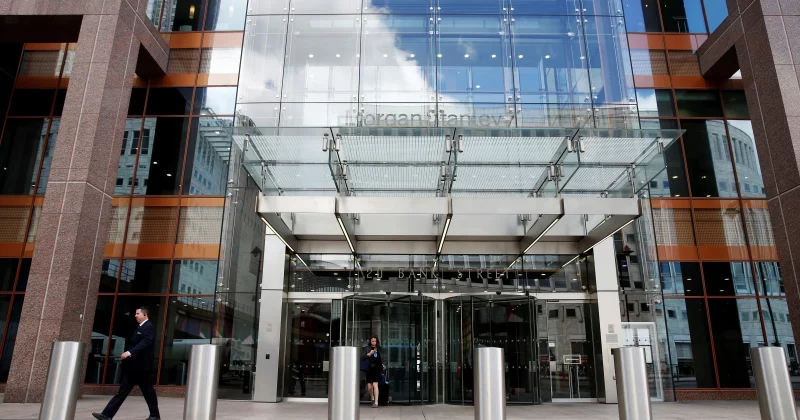
In a move to enhance security and mitigate risks, Morgan Stanley has mandated that its bankers use separate phones when traveling to China. This policy aims to protect sensitive information and ensure compliance with local regulations amid increasing scrutiny on foreign financial institutions.
Morgan Stanley's New Policy
In a significant shift aimed at bolstering security measures, Morgan Stanley has introduced a policy requiring its bankers to use separate phones when traveling to China. This decision comes in response to growing concerns over data privacy and the potential risks associated with operating in a country known for its stringent cybersecurity laws and increasing scrutiny of foreign businesses.
Context of the Decision
As China continues to tighten its grip on data security, financial institutions operating within its borders face a myriad of challenges. The Chinese government has implemented strict regulations that require companies to store data locally and comply with extensive monitoring practices. For foreign firms, this has raised alarms about the safety of sensitive information, particularly when it comes to communication tools and devices.
Security Risks in China
The necessity for separate phones stems from the heightened risk of surveillance and data breaches that foreign bankers encounter while in China. Reports have indicated that state-sponsored hacking and espionage are prevalent, with foreign companies often being targets. By mandating that bankers utilize separate devices, Morgan Stanley aims to create a buffer between personal and professional communications, thereby reducing the risk of sensitive information being compromised.
Implementation of the Policy
The policy will require bankers to carry two phones: one for personal use and another dedicated solely to business communications while in China. This separation is intended to ensure that sensitive client information, financial data, and proprietary insights remain secure and inaccessible to potential threats.
Reactions from the Financial Community
The introduction of this policy has sparked discussions within the financial community regarding the implications for business operations in China. Some industry experts view it as a necessary precaution in an increasingly hostile environment for foreign businesses, while others express concerns that such measures may hinder the efficiency of operations and client interactions.
Broader Implications for Foreign Firms
This move by Morgan Stanley is not an isolated incident; it reflects a broader trend among multinational corporations reassessing their strategies in China. As geopolitical tensions rise and regulatory challenges mount, many firms are reevaluating their operational frameworks to prioritize security and compliance. The implications of these changes could lead to a more cautious approach to investment and business development in the region.
Conclusion
As Morgan Stanley takes proactive steps to safeguard its operations in China, the financial sector will be closely watching how this policy impacts not only the firm but also the broader landscape of foreign investment in the country. With the stakes higher than ever, financial institutions must navigate the delicate balance between pursuing opportunities in one of the world's largest markets and protecting their vital assets from potential threats.