Mitigation Phase Concludes in Jimmy Lai's High-Profile Trial
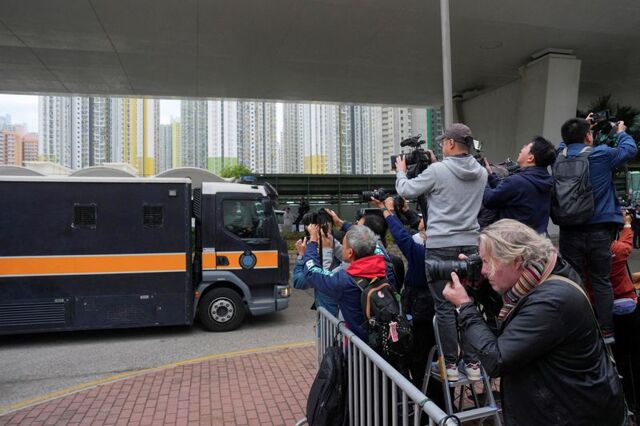
The mitigation phase of media tycoon Jimmy Lai's trial has concluded, with significant implications for press freedom in Hong Kong. Lai's defense team presented compelling arguments highlighting the importance of independent journalism in a democratic society.
Mitigation Phase Concludes in Jimmy Lai's High-Profile Trial
In a landmark case that has captured global attention, the mitigation phase of media tycoon Jimmy Lai's trial has officially concluded. Lai, the founder of the now-defunct Apple Daily newspaper, faces multiple charges under Hong Kong's national security law, which critics argue is being used to stifle dissent and curtail press freedom.
The trial, which has been ongoing for several weeks, has raised serious concerns about the state of journalism in Hong Kong and the broader implications for civil liberties in the region. Lai's defense team presented their arguments during the mitigation phase, emphasizing the critical role that independent journalism plays in a democratic society.
Defense Arguments Highlight Press Freedom
During the mitigation hearings, Lai's lawyers argued that his work as a journalist and media entrepreneur was driven by a commitment to truth and transparency. They underscored the importance of a free press in holding power to account and providing citizens with the information necessary to make informed decisions.
“Jimmy Lai has dedicated his life to advocating for democracy and freedom of expression,” said one of Lai's attorneys. “His publications have been a voice for the voiceless, and punishing him for his beliefs sets a dangerous precedent for all journalists in Hong Kong.”
International Reaction and Concerns
The trial has drawn widespread condemnation from international human rights organizations, media advocacy groups, and foreign governments. Many observers view the proceedings as emblematic of the Chinese government's broader crackdown on dissent in Hong Kong since the implementation of the national security law in 2020.
“The charges against Jimmy Lai are politically motivated and represent a direct attack on press freedom,” said a spokesperson for Reporters Without Borders. “The international community must stand in solidarity with journalists in Hong Kong who are facing increasing repression.”
Implications for Hong Kong's Media Landscape
The outcome of Lai's trial could have far-reaching implications for the media landscape in Hong Kong. Since the introduction of the national security law, several independent media outlets have been forced to shut down, and many journalists have fled the city or faced legal repercussions for their work.
“The chilling effect of the national security law on journalism cannot be overstated,” commented a local journalist who wished to remain anonymous. “We are witnessing the erosion of press freedom in real-time, and the Lai trial is just one example of how the government is attempting to silence dissent.”
Next Steps in the Legal Proceedings
As the mitigation phase concludes, the court will now deliberate on Lai's fate. The judge is expected to deliver a verdict in the coming weeks, which could result in a lengthy prison sentence for the media mogul. Observers are closely monitoring the proceedings, as the verdict will likely influence the future of journalism and civil rights in Hong Kong.
In the face of increasing challenges, many journalists in Hong Kong remain committed to their work, even as they navigate a landscape fraught with uncertainty and danger. The outcome of Lai's trial will undoubtedly resonate beyond the courtroom, serving as a litmus test for the future of press freedom in the region.