Middle Eastern Investment and Tourism Shift Towards Hong Kong Amid Rising Geopolitical Tensions
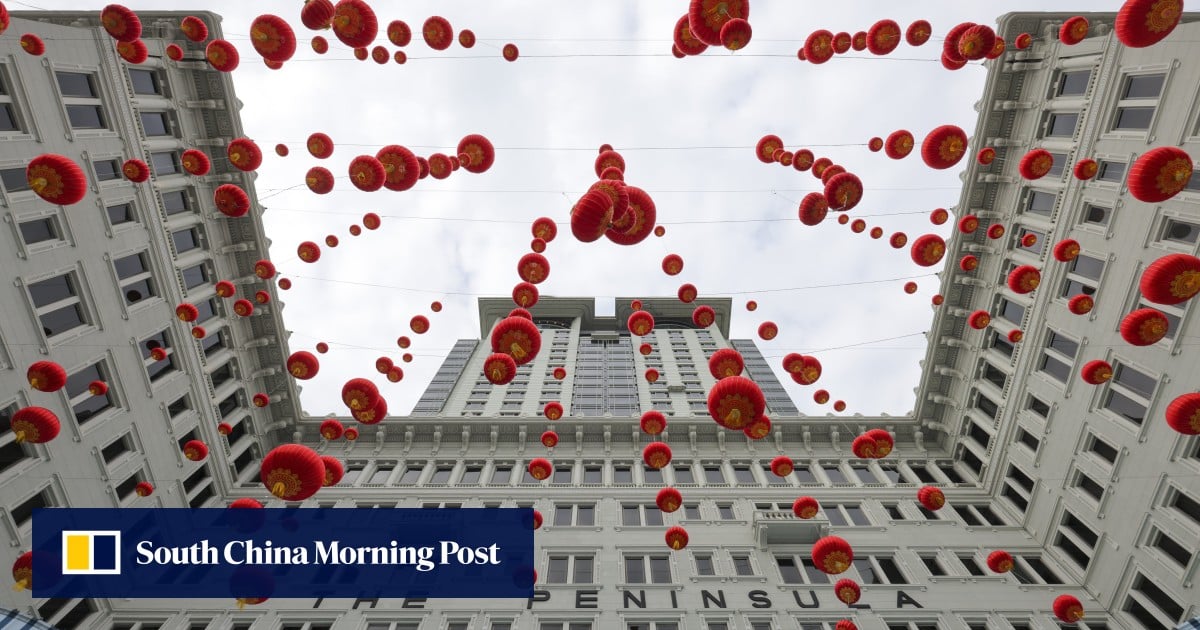
As geopolitical tensions escalate, Middle Eastern investors and travelers are increasingly turning their attention to Hong Kong. This shift highlights the city's potential as a safe haven for wealth and tourism in a changing global landscape.
Introduction
In recent months, Hong Kong has emerged as a focal point for Middle Eastern investment and tourism, driven by rising geopolitical tensions across the globe. As conflicts and uncertainties in various regions prompt a reevaluation of investment strategies and travel destinations, Hong Kong's unique position as a financial hub and a gateway to Asia has made it an attractive option for affluent travelers and investors from the Middle East.
Geopolitical Context
The geopolitical landscape has become increasingly complex, with tensions in the Middle East, Europe, and beyond affecting global markets and travel patterns. As a result, many wealthy individuals and businesses from the region are seeking stability and security for their investments. Hong Kong, with its robust financial infrastructure and relative political stability, presents a compelling alternative.
Investment Opportunities
Middle Eastern investors are particularly drawn to Hong Kong’s real estate market, which has shown resilience despite global economic fluctuations. High-end properties, luxury developments, and commercial real estate are seeing renewed interest from investors looking to diversify their portfolios. The city's status as a Special Administrative Region of China allows investors to tap into the vast opportunities presented by the Greater Bay Area initiative, which aims to integrate Hong Kong with other major cities in southern China.
Tourism Trends
In addition to investment, tourism from the Middle East to Hong Kong is on the rise. The city is known for its vibrant culture, world-class dining, and shopping experiences, making it an appealing destination for affluent travelers. Airlines have reported increased flight bookings from Middle Eastern cities to Hong Kong, indicating a growing trend among travelers seeking luxury experiences and unique cultural encounters.
Luxury Brands and Retail Growth
Luxury brands are capitalizing on this influx of Middle Eastern tourists, tailoring their offerings to meet the preferences of this affluent demographic. High-end retailers in Hong Kong are enhancing their services, providing personalized shopping experiences that cater to the tastes of Middle Eastern customers. This trend is expected to further boost the local economy, with luxury retail sectors anticipating a significant uptick in sales.
Challenges and Considerations
Despite the promising opportunities, challenges remain. The ongoing global pandemic and its aftermath have created uncertainties in travel regulations and health protocols. Additionally, the political landscape in Hong Kong continues to evolve, which may influence investor confidence and tourism patterns. Stakeholders in the tourism and investment sectors must remain agile and responsive to these changes to fully capitalize on the emerging trends.
Conclusion
As geopolitical tensions reshape the global landscape, Hong Kong stands out as a beacon of opportunity for Middle Eastern investors and travelers. The city's unique blend of stability, economic potential, and cultural richness positions it as a prime destination for those seeking refuge from uncertainty. Moving forward, it will be crucial for Hong Kong to maintain its appeal and address the challenges that may arise, ensuring it remains a top choice for investment and tourism in the years to come.