Media Tycoon Jimmy Lai Faces Life Sentence in Hong Kong National Security Case
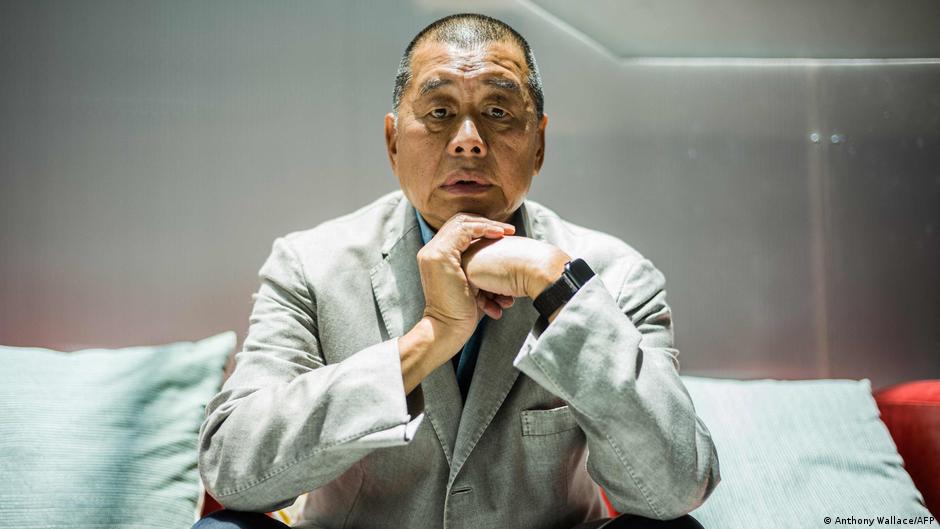
Jimmy Lai, a prominent media tycoon and founder of the pro-democracy newspaper Apple Daily, is facing a potential life sentence as he is convicted under Hong Kong's national security law. This case highlights the ongoing crackdown on dissent and freedom of the press in the region.
Introduction
In a significant development in Hong Kong's ongoing struggle for press freedom and political dissent, media tycoon Jimmy Lai has been convicted under the controversial national security law. Lai, the founder of the now-defunct pro-democracy newspaper Apple Daily, faces a potential life sentence, marking a pivotal moment in the erosion of civil liberties in the region.
The Conviction
On Friday, a Hong Kong court found Lai guilty of colluding with foreign forces, a charge that carries severe penalties under the national security law imposed by Beijing in 2020. The verdict is part of a broader crackdown on dissent that has seen numerous activists, politicians, and journalists arrested or silenced. Lai's conviction is particularly notable given his status as one of the most high-profile figures in the pro-democracy movement.
Background on Jimmy Lai
Jimmy Lai, 75, is a billionaire entrepreneur known for his outspoken criticism of the Chinese government and his unwavering support for democracy in Hong Kong. He founded Apple Daily in 1995, which quickly became a leading voice for pro-democracy sentiments in the city. However, following the implementation of the national security law, the newspaper was forced to shut down in June 2021 amid a police raid and subsequent arrests of its staff.
Legal Proceedings
Lai has been in custody since late 2020 and has faced multiple charges, including fraud and conspiracy. His trial, which began earlier this year, was closely watched by international observers and human rights advocates. The prosecution argued that Lai's actions constituted a serious threat to national security, while his defense maintained that he was merely exercising his right to free speech and advocating for democratic values.
International Reactions
The verdict has drawn widespread condemnation from human rights organizations and foreign governments. The United States State Department issued a statement expressing concern over the ruling, stating that it undermines the freedoms guaranteed to the people of Hong Kong. Similarly, the United Nations has called for the immediate release of Lai and other political prisoners, emphasizing the importance of protecting press freedom globally.
The Broader Implications
Lai's conviction is emblematic of the broader trend in Hong Kong, where the national security law has been used to stifle dissent and silence critical voices. Many activists have fled the city, fearing arrest and persecution, while others remain in hiding or continue to face legal challenges. The case against Lai serves as a warning to other journalists and media outlets about the risks of challenging the authorities.
Conclusion
As Jimmy Lai awaits sentencing, the implications of his conviction will likely resonate beyond Hong Kong's borders. The case underscores the precarious state of press freedom in the region and raises urgent questions about the future of civil liberties in a city that was once considered a bastion of free expression. With Lai facing a potential life sentence, the international community watches closely, hoping for a resolution that honors the principles of democracy and human rights.