Media Tycoon Jimmy Lai Faces Life Sentence Amidst Ongoing Crackdown on Press Freedom
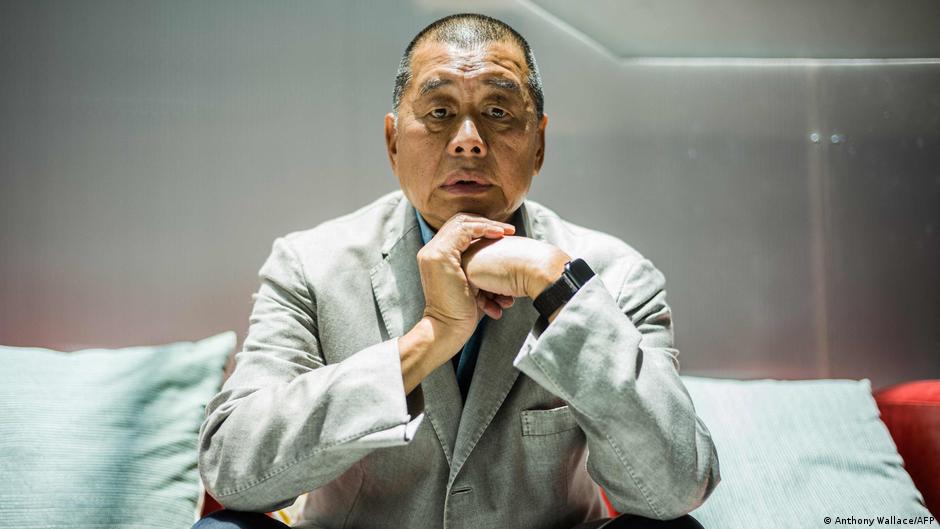
Jimmy Lai, a prominent media tycoon and founder of the pro-democracy newspaper Apple Daily, is facing a potential life sentence as Hong Kong's authorities continue their crackdown on dissent and press freedom. This case highlights the increasing repression of media in the region following the implementation of the National Security Law.
Introduction
In a significant development for press freedom in Hong Kong, media tycoon Jimmy Lai is facing a potential life sentence as he stands trial for charges related to national security. Lai, the founder of the now-defunct pro-democracy newspaper Apple Daily, has been a vocal critic of the Chinese Communist Party and a staunch advocate for democracy in Hong Kong. His case has drawn international attention, highlighting the ongoing crackdown on dissent in the region.
The Charges Against Lai
Jimmy Lai has been charged with multiple offenses under Hong Kong’s controversial National Security Law, which was imposed by Beijing in June 2020. The law has been criticized for its broad definitions and potential to stifle free speech and dissent. Lai faces charges of conspiracy to collude with foreign forces, which could result in a life sentence if he is convicted. The trial has been marked by a lack of transparency, with many proceedings held behind closed doors, raising concerns about the fairness of the judicial process.
Impact on Press Freedom
Lai’s case is emblematic of the broader erosion of press freedom in Hong Kong. Since the implementation of the National Security Law, numerous journalists and media outlets have faced harassment, arrests, and closure. The Apple Daily, once a flagship of pro-democracy journalism, was forced to shut down in June 2021 after police raided its offices and froze its assets. The closure of such a prominent outlet has left a significant void in the media landscape, further limiting the space for independent journalism.
International Reactions
The international community has condemned the actions taken against Lai and the broader implications for press freedom in Hong Kong. Human rights organizations, foreign governments, and media advocacy groups have called for the charges against Lai to be dropped and for the restoration of press freedoms in the region. The United States, in particular, has been vocal in its criticism, with officials describing the actions against Lai as part of a larger pattern of repression by the Chinese government.
Public Sentiment and Support for Lai
Despite the risks, Jimmy Lai has garnered significant public support both in Hong Kong and internationally. His commitment to democracy and free speech resonates with many who fear the loss of their rights and freedoms under increasing authoritarian control. Protests and vigils have been held in support of Lai, with many calling for his release and the protection of press freedoms in Hong Kong.
The Future of Journalism in Hong Kong
The ongoing trial of Jimmy Lai raises critical questions about the future of journalism in Hong Kong. As the government continues to tighten its grip on the media, the landscape for independent journalism appears increasingly bleak. Many journalists have left the city or shifted to self-censorship to avoid persecution, leading to a chilling effect on reporting and public discourse.
Conclusion
As Jimmy Lai’s trial progresses, the eyes of the world remain on Hong Kong. His case not only represents the struggle of one individual against a powerful regime but also serves as a litmus test for the future of press freedom in the region. The outcome of this trial will likely have lasting implications for journalists, activists, and the general populace in Hong Kong as they navigate an increasingly repressive environment.