Marisa Yiu: Curatorial Work as a Catalyst for Urban Transformation
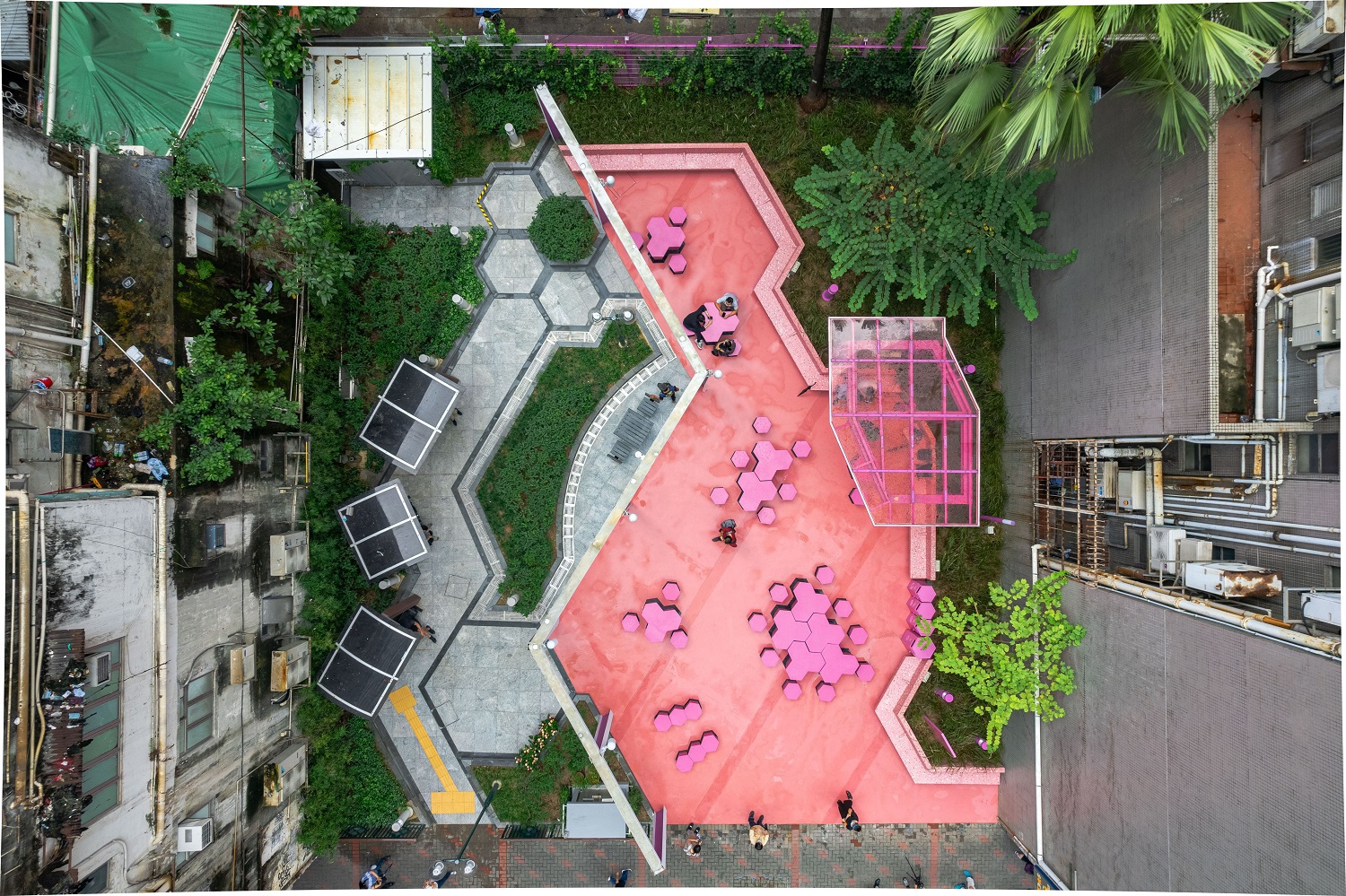
Marisa Yiu, the Executive Director of Design Trust, discusses the role of curatorial practices in shaping urban spaces in Hong Kong. Through innovative exhibitions and community engagement, Yiu emphasizes the importance of spatial agency in city-making.
Marisa Yiu: Curatorial Work as a Catalyst for Urban Transformation
In the vibrant and ever-evolving landscape of Hong Kong, Marisa Yiu stands out as a pivotal figure in the intersection of design, culture, and urban development. As the Executive Director of Design Trust, Yiu has dedicated her career to exploring how curatorial practices can influence and enhance urban spaces. In a recent discussion, she elaborated on the significance of exhibitions and spatial agency in the context of city-making, highlighting how thoughtful design can foster community engagement and transform public spaces.
The Role of Curatorial Practices
Yiu believes that curatorial work extends beyond traditional exhibitions; it is a powerful tool for urban transformation. By curating experiences that engage the public, she aims to create a dialogue between the community and their environment. "Curatorial practices can serve as a catalyst for change, encouraging people to reimagine their relationship with the city," Yiu stated. This perspective is particularly relevant in a city like Hong Kong, where rapid development often overlooks the importance of community input and cultural heritage.
Exhibitions as a Medium for Engagement
Design Trust has been instrumental in organizing exhibitions that not only showcase design but also address pressing social issues. One notable project is the 'Hong Kong Design Biennial,' which invites local and international designers to explore themes that resonate with the community. Yiu emphasized that these exhibitions are not merely aesthetic endeavors; they are platforms for dialogue and collaboration. "We aim to create spaces where people can come together, share ideas, and envision a better urban future," she explained.
Spatial Agency and Community Involvement
At the heart of Yiu's philosophy is the concept of spatial agency—the idea that individuals and communities have the power to shape their environments. She advocates for participatory design processes that involve local residents in decision-making. This approach not only empowers communities but also ensures that urban developments are reflective of their needs and aspirations. "When people feel a sense of ownership over their spaces, they are more likely to engage with and care for them," Yiu remarked.
Challenges in Urban Development
Despite her optimism, Yiu acknowledges the challenges that come with urban development in Hong Kong. The city faces issues such as overcrowding, a lack of affordable housing, and the preservation of cultural heritage. Yiu argues that curatorial work can play a crucial role in addressing these challenges by fostering awareness and encouraging public discourse. "We need to highlight the importance of sustainable design and cultural preservation in our urban planning discussions," she stated.
A Vision for the Future
Looking ahead, Yiu envisions a future where curatorial practices are integral to urban planning. She hopes to see more collaborations between designers, artists, and community members to create inclusive and sustainable urban environments. "The future of our cities depends on our ability to listen to the voices of the people who inhabit them," Yiu concluded.
Conclusion
Marisa Yiu's work at Design Trust exemplifies the transformative power of curatorial practices in urban development. By prioritizing community engagement and spatial agency, she is paving the way for a more inclusive and responsive approach to city-making in Hong Kong. As cities continue to evolve, the insights and initiatives led by visionaries like Yiu will be crucial in shaping urban spaces that reflect the diverse needs and aspirations of their inhabitants.