Luxury Sales Plunge in China as Tax Push Hits Rich Shoppers
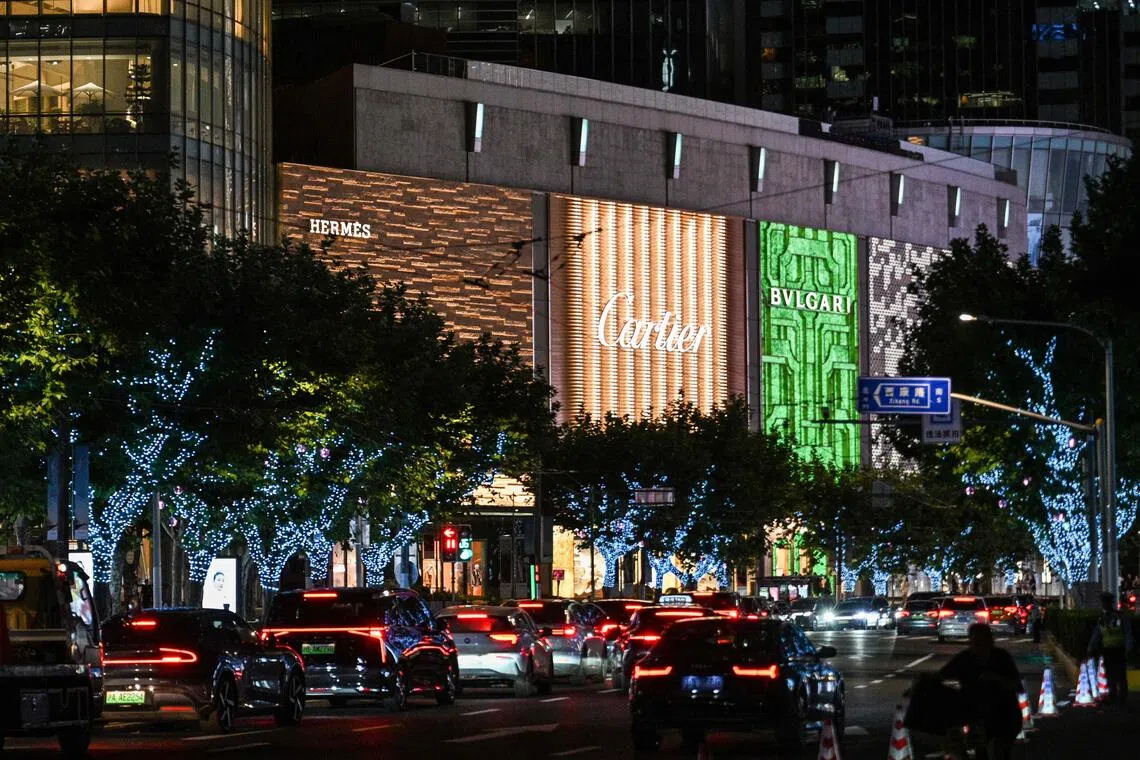
Luxury sales in China have experienced a significant downturn due to recent tax policies targeting affluent consumers. This shift comes as the government seeks to regulate spending and boost domestic consumption amidst economic challenges.
Luxury Sales in China Face Significant Decline
In a surprising turn of events, luxury sales in China have plunged, reflecting the impact of new tax policies aimed at affluent shoppers. The Chinese government has implemented these measures to curb excessive spending and promote a more sustainable economic model. As a result, high-end brands are feeling the strain, and the luxury market, once a beacon of growth, is now facing unprecedented challenges.
New Tax Policies Targeting the Wealthy
The recent tax push is part of a broader strategy by the Chinese government to regulate the consumption patterns of its wealthiest citizens. By increasing taxes on luxury goods, the government aims to discourage ostentatious spending and redirect consumer behavior towards more essential goods and services. This policy shift comes in the wake of economic pressures that have prompted a reevaluation of spending habits among the country's elite.
Impact on Luxury Brands
Luxury brands that once thrived in the Chinese market are now grappling with declining sales figures. High-end retailers, including international names such as Gucci, Louis Vuitton, and Chanel, are reporting significant drops in revenue. Analysts suggest that the combination of increased taxes and a cooling economy has led to a more cautious approach among wealthy consumers, who are now more selective in their purchases.
Consumer Sentiment Shifts
As the luxury market contracts, consumer sentiment among China's wealthy is undergoing a transformation. Many affluent shoppers are rethinking their spending habits, opting for more discreet purchases rather than lavish displays of wealth. This shift is not only affecting luxury brands but also altering the landscape of consumer culture in China, where status symbols have long been a significant part of social identity.
Government's Broader Economic Strategy
The government's decision to impose higher taxes on luxury goods is part of a larger economic strategy aimed at fostering domestic consumption. By discouraging excessive spending on luxury items, the government hopes to encourage consumers to invest in local products and services. This approach aligns with China's goal of achieving a more balanced economy that relies less on exports and more on domestic demand.
Challenges Ahead for the Luxury Sector
The luxury sector is now at a crossroads, facing challenges that could reshape its future in China. Brands must adapt to the new economic reality by rethinking their marketing strategies and product offerings. Engaging with consumers through more meaningful and sustainable practices may be key to regaining their trust and loyalty.
Looking Forward
As the luxury market in China navigates this turbulent period, industry experts are closely monitoring consumer trends and government policies. The outcome will likely depend on how well luxury brands can adapt to the changing landscape and whether the government will continue to pursue aggressive tax measures. For now, the luxury sector must brace itself for a challenging road ahead, as it seeks to redefine its place in a rapidly evolving market.