Landlords Divided Over Costly Upgrades to Comply with Subdivided Housing Law
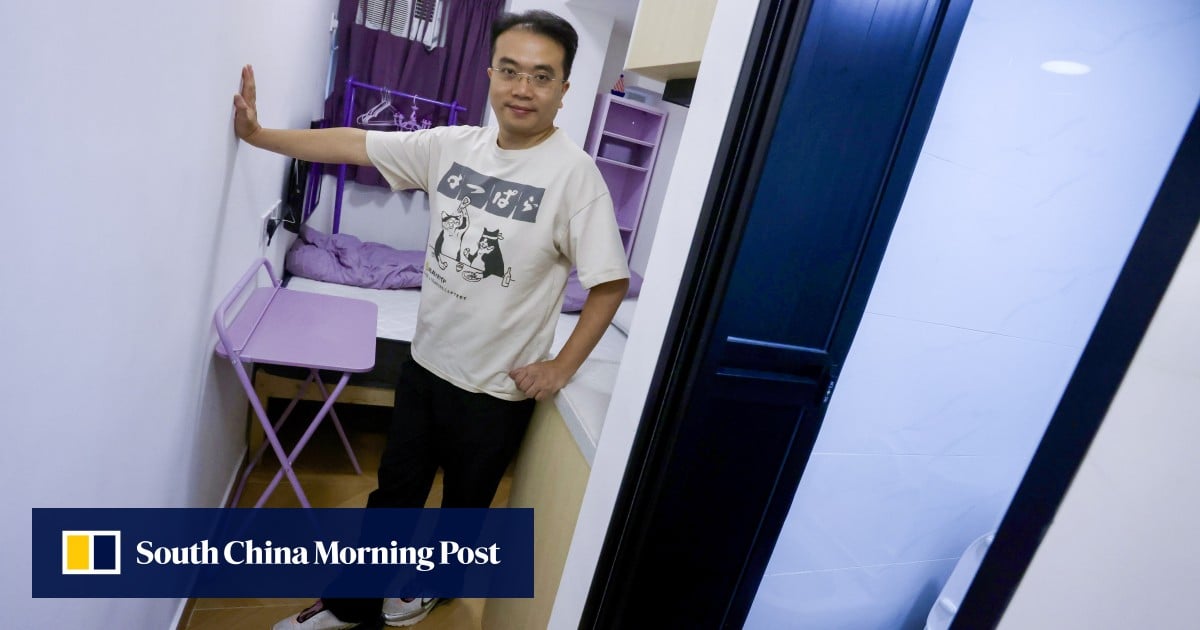
Hong Kong landlords are facing a dilemma as they grapple with the financial implications of upgrading their properties to meet new subdivided housing regulations. While some are eager to comply, others are hesitant due to the high costs involved.
Introduction
In the bustling metropolis of Hong Kong, where real estate is a hot-button issue, landlords are now confronted with a significant challenge: the need to upgrade their subdivided housing units to comply with new regulations. The recent law aimed at improving living conditions has split the landlord community, igniting a debate over the financial burdens associated with these upgrades.
The New Subdivided Housing Law
In an effort to address the pressing issue of inadequate housing, the Hong Kong government has introduced a law that mandates improvements in subdivided flats. These units, often cramped and lacking basic amenities, have long been a concern for public health and safety. The new regulations require landlords to enhance facilities, which may include installing proper fire safety measures, improving sanitation, and ensuring adequate ventilation.
Financial Implications for Landlords
While the intention behind the law is to provide better living conditions for tenants, the financial implications for landlords are significant. Upgrading properties to meet the new standards can cost tens of thousands of Hong Kong dollars, a daunting prospect for many landlords who may already be struggling with rising costs and dwindling profits. Some landlords argue that these expenses could lead to increased rents, further burdening tenants in an already expensive housing market.
Split Opinions Among Landlords
The response among landlords has been mixed. Some view the upgrades as a necessary investment that could enhance the value of their properties in the long run. They argue that complying with the law not only benefits tenants but also aligns with a growing societal expectation for better living conditions. These landlords are actively seeking ways to finance the renovations, including loans and government grants.
Conversely, other landlords are hesitant to make such investments. They express concerns about the return on investment, especially in a market where rental prices are volatile. Many fear that the costs of compliance will not be recouped through increased rents, leading to financial losses. This faction is advocating for a more gradual approach to the upgrades, suggesting that the government should provide more support and incentives to ease the burden.
Government Support and Incentives
In response to the concerns raised by landlords, the Hong Kong government has indicated that it is considering various support measures. These may include financial assistance programs, tax incentives, and streamlined processes for obtaining permits for renovations. However, critics argue that the proposed support may not be sufficient to alleviate the financial strain on landlords, particularly those with multiple properties.
Impact on Tenants
For tenants living in subdivided flats, the outcome of this debate is crucial. Many residents are hopeful that the upgrades will lead to improved living conditions, including better safety standards and more comfortable environments. However, there is also concern that any increase in costs incurred by landlords could ultimately be passed on to tenants in the form of higher rents.
Conclusion
The ongoing debate among landlords over the costly upgrades required by the new subdivided housing law underscores the complexities of Hong Kong's housing crisis. As the government seeks to improve living conditions for tenants, it must also consider the financial realities faced by landlords. Striking a balance between compliance and affordability will be essential in ensuring that both parties can navigate the evolving landscape of Hong Kong's housing market.