KuCoin VP Edwin Wong Introduces Four-Pillar Trust Framework for Digital Asset Infrastructure
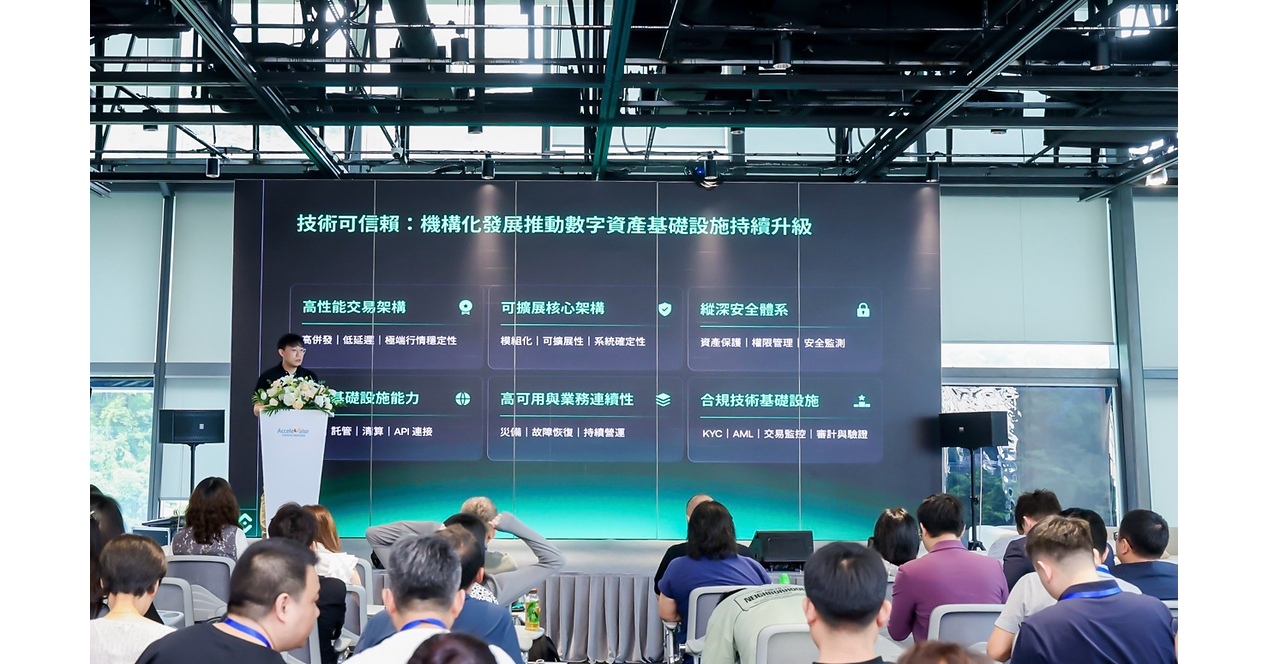
Edwin Wong, Vice President of KuCoin, outlines a comprehensive four-pillar trust framework aimed at enhancing the institutional digital asset infrastructure. This initiative seeks to build long-term trust among institutional investors in the rapidly evolving cryptocurrency landscape.
KuCoin's Vision for Institutional Trust
In a rapidly evolving digital asset landscape, trust remains a cornerstone for institutional investors looking to enter the cryptocurrency market. Edwin Wong, Vice President of KuCoin, recently unveiled a robust four-pillar trust framework designed to establish a secure and reliable infrastructure for institutional digital assets. This framework aims to address the concerns of institutional investors and facilitate their seamless entry into the crypto space.
The Four Pillars Explained
Wong's framework is built on four essential pillars: compliance, security, transparency, and education. Each pillar plays a critical role in fostering a trustworthy environment for institutional investors, who often face unique challenges in navigating the complexities of the digital asset ecosystem.
1. Compliance
The first pillar, compliance, emphasizes the importance of adhering to regulatory standards and frameworks. Wong highlighted that as governments around the world continue to develop and implement regulations for cryptocurrencies, it is vital for exchanges like KuCoin to align with these regulations. This commitment to compliance not only protects investors but also enhances the legitimacy of the cryptocurrency market as a whole.
2. Security
Security is the second pillar and perhaps the most critical aspect of the framework. With the rise of hacking incidents and security breaches in the crypto space, institutional investors are particularly cautious about where they place their assets. KuCoin has invested heavily in advanced security measures, including multi-signature wallets, cold storage solutions, and continuous monitoring systems to safeguard user funds. Wong stressed that a secure environment is non-negotiable for attracting institutional capital.
3. Transparency
Transparency is the third pillar, which Wong believes is essential for building trust. KuCoin aims to provide clear and accessible information about its operations, including transaction processes, fee structures, and security measures. By promoting transparency, the exchange seeks to eliminate uncertainties that may deter institutional investors from engaging with the platform.
4. Education
The final pillar, education, addresses the knowledge gap that often exists among institutional investors regarding digital assets. Wong noted that many institutions lack a comprehensive understanding of cryptocurrencies and blockchain technology. To bridge this gap, KuCoin is committed to providing educational resources, workshops, and seminars to empower institutional investors with the knowledge they need to navigate the crypto landscape confidently.
The Road Ahead
As the cryptocurrency market matures, the need for a solid foundation built on trust becomes increasingly evident. Wong's four-pillar framework represents a proactive approach to addressing the concerns of institutional investors and fostering a more inclusive digital asset ecosystem. By prioritizing compliance, security, transparency, and education, KuCoin aims to position itself as a leader in the institutional digital asset space.
Conclusion
In conclusion, Edwin Wong's introduction of the four-pillar trust framework is a significant step toward enhancing the institutional digital asset infrastructure. As more institutions look to enter the cryptocurrency market, initiatives like this will be crucial in building the trust necessary for long-term investment. KuCoin's commitment to these principles not only benefits its users but also contributes to the overall growth and stability of the cryptocurrency market.