Korean Air Reports 34% Drop in Q2 Profit Amid Rising Fuel Costs
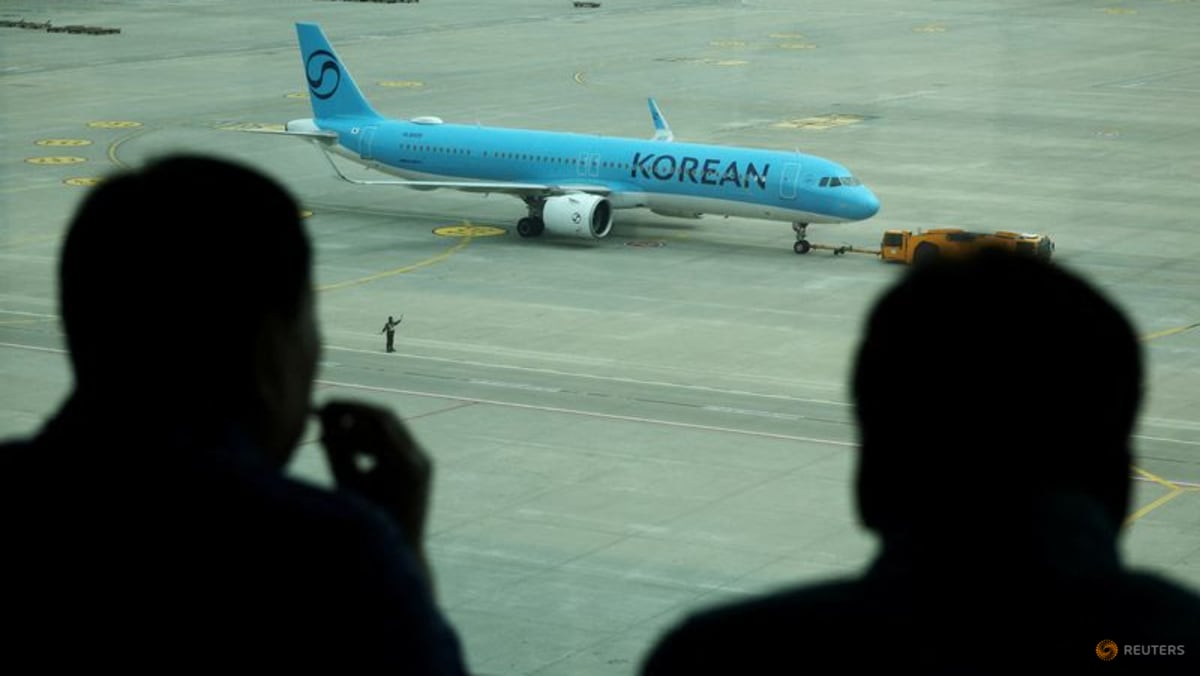
Korean Air's second-quarter profit has plummeted by 34% due to increased fuel expenses, despite achieving record-high revenues. The airline's financial results highlight the ongoing challenges faced by the aviation industry in a post-pandemic recovery phase.
Korean Air's Financial Performance in Q2
Korean Air has announced a significant decline in its second-quarter profit, reporting a 34% drop compared to the same period last year. This downturn is primarily attributed to soaring fuel costs that have impacted the airline's profitability, despite the company achieving record-high revenues during the quarter.
Record Revenues Amidst Rising Costs
The airline's revenue reached an all-time high, driven by a robust recovery in air travel demand as global restrictions ease. Korean Air's revenue for the second quarter soared to approximately 3.5 trillion won (around $2.6 billion), marking a 25% increase from the previous year. This surge in revenue is largely due to an increase in passenger traffic, with international travel rebounding significantly as more countries reopen their borders.
Impact of Fuel Prices
Despite the impressive revenue figures, Korean Air's profit was adversely affected by the sharp rise in fuel prices, which have been driven by geopolitical tensions and supply chain disruptions. The airline reported that its fuel costs surged by over 70%, leading to a substantial increase in operational expenses. This spike in fuel prices has become a pressing concern for airlines worldwide, as they grapple with balancing profitability while accommodating rising operational costs.
Strategic Adjustments and Future Outlook
In response to these challenges, Korean Air is implementing strategic adjustments aimed at mitigating the impact of fuel costs. The airline is focusing on optimizing its operations, including enhancing fuel efficiency and exploring alternative fuel options. Additionally, Korean Air is considering adjusting its ticket pricing strategy to better align with operational costs while remaining competitive in the market.
Industry-Wide Challenges
Korean Air's struggles reflect broader challenges facing the aviation industry as it continues to recover from the COVID-19 pandemic. Airlines globally are experiencing similar issues, with many reporting increased costs and fluctuating demand. The International Air Transport Association (IATA) has indicated that while passenger numbers are on the rise, the industry must navigate a complex landscape of rising operational costs, labor shortages, and changing consumer preferences.
Conclusion
As Korean Air moves forward, the airline remains optimistic about the long-term recovery of the aviation sector. With ongoing efforts to enhance operational efficiency and adapt to the evolving market conditions, Korean Air aims to stabilize its financial performance while continuing to provide quality service to its passengers. The coming months will be crucial for the airline as it seeks to navigate the challenges posed by rising fuel costs and maintain its position in the competitive aviation landscape.