King Wah Road Building Achieves WELL Certification, Pioneering Healthier Indoor Spaces in Hong Kong
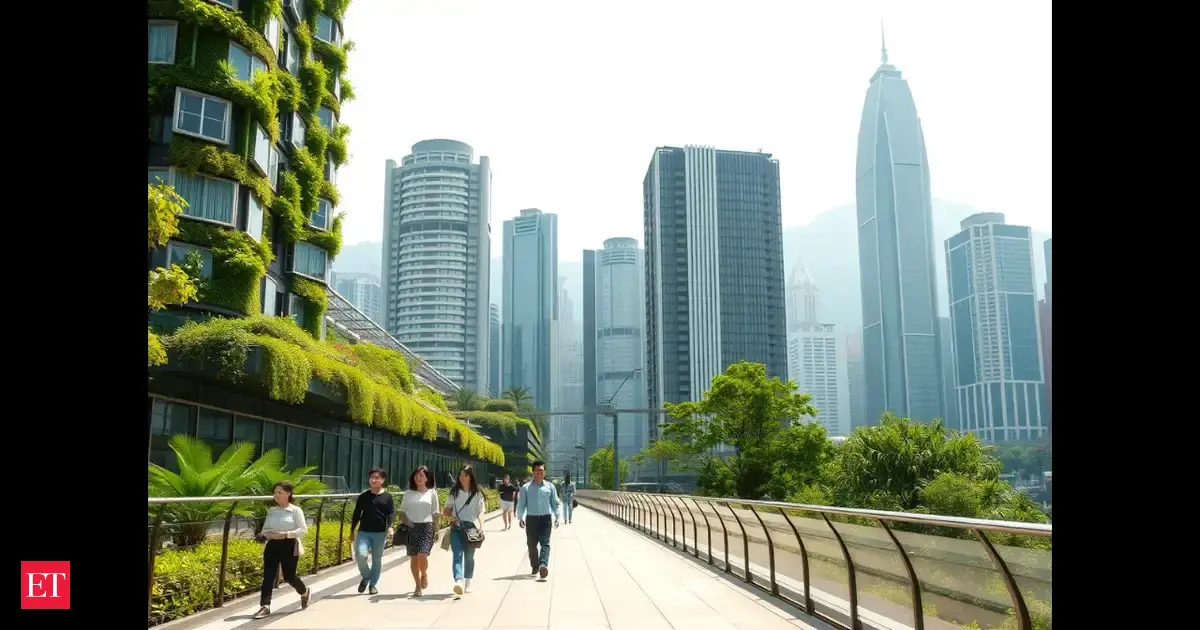
The King Wah Road building in Hong Kong, which implemented innovative air quality improvement measures in 2017, has now received WELL certification. This milestone underscores the importance of healthier indoor environments in urban settings.
Introduction
In a significant development for urban health and sustainability, the King Wah Road building in Hong Kong has achieved WELL certification, marking a pivotal step towards enhancing the quality of indoor environments in the bustling metropolis. This certification comes nine years after the building implemented special paint designed to improve air quality, showcasing the long-term benefits of innovative construction practices.
A Leap Towards Healthier Indoor Spaces
WELL certification, developed by the International WELL Building Institute (IWBI), is a performance-based system for measuring, certifying, and monitoring features of the built environment that impact human health and well-being. The King Wah Road building, spanning 30,643 square meters, has become a benchmark for other buildings in Hong Kong and beyond, emphasizing the growing recognition of the importance of indoor air quality.
Innovative Measures Implemented
In 2017, the building's management took a proactive approach to combat indoor air pollution by applying special paint that actively reduces airborne pollutants. This initiative was part of a broader strategy to create a healthier living and working environment for its occupants. The paint, which contains compounds that neutralize harmful substances, has proven effective in enhancing air quality, contributing to the overall health and productivity of those who inhabit the space.
The Significance of WELL Certification
Achieving WELL certification is no small feat. The rigorous standards set by the IWBI require buildings to meet specific criteria across various categories, including air, water, nourishment, light, fitness, and comfort. The King Wah Road building's successful certification highlights its commitment to creating a healthier indoor environment, which is increasingly crucial in urban areas where outdoor air quality may be compromised.
Impact on Occupants and the Community
The benefits of WELL certification extend beyond the physical structure itself. Studies have shown that improved indoor air quality can lead to enhanced cognitive function, reduced absenteeism, and increased overall well-being among occupants. For businesses operating within the King Wah Road building, this translates into a more productive workforce and a positive corporate image, aligning with the growing trend of corporate social responsibility.
Setting a Precedent for Future Developments
The King Wah Road building's achievement serves as a model for future construction and renovation projects in Hong Kong. As urbanization continues to rise, the need for sustainable and health-focused building practices becomes more pressing. Developers and architects are now looking to the King Wah Road building as a blueprint for integrating health and wellness into their designs.
Challenges Ahead
Despite the progress made, the journey towards healthier indoor environments is not without challenges. The high costs associated with achieving WELL certification can deter some developers, particularly in a competitive real estate market like Hong Kong. However, as awareness of the importance of indoor air quality grows, it is likely that more buildings will prioritize health-focused designs, potentially leading to a shift in market expectations.
Conclusion
The King Wah Road building's recent WELL certification is a landmark achievement that underscores the importance of prioritizing health and wellness in urban environments. As cities continue to evolve, the integration of innovative solutions like those implemented in this building will be crucial in fostering healthier communities. With its success, the King Wah Road building not only sets a precedent for future developments but also serves as a reminder of the vital role that indoor air quality plays in our daily lives.