Kimi Developer Moonshot Abandons VIE Structure for Hong Kong Listing
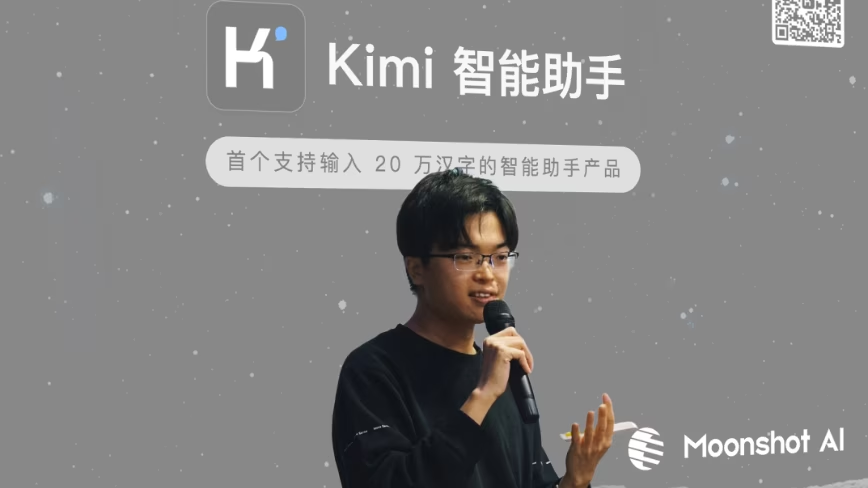
Kimi, a prominent developer in the tech industry, has decided to abandon its Variable Interest Entity (VIE) structure in favor of a direct listing in Hong Kong. This strategic move is seen as a response to increasing regulatory scrutiny and aims to attract more investors.
Kimi Developer Moonshot's Strategic Shift
Kimi, a leading developer in the tech sector, has made headlines with its recent decision to abandon the Variable Interest Entity (VIE) structure that has been a common practice for many Chinese companies seeking to list abroad. The company is now pursuing a direct listing on the Hong Kong Stock Exchange, a move that reflects the evolving landscape of international finance and regulatory compliance.
Understanding the VIE Structure
The VIE structure has been a popular mechanism for Chinese companies to circumvent restrictions on foreign investment in certain sectors. By using this complex arrangement, companies could effectively allow foreign investors to gain exposure to their operations without directly owning shares in the Chinese entity. However, this structure has come under intense scrutiny from regulators, particularly in light of recent crackdowns on various sectors in China.
Regulatory Challenges Prompt Change
Kimi's decision to abandon the VIE structure comes amid a backdrop of increasing regulatory pressure from both Chinese authorities and international markets. The Chinese government has been tightening regulations on tech companies, leading to a climate of uncertainty for investors. By opting for a direct listing in Hong Kong, Kimi aims to enhance transparency and build trust with potential investors, while also aligning itself more closely with the regulatory expectations of the Hong Kong market.
Implications for Investors
This strategic pivot is expected to have significant implications for Kimi's investor base. By eliminating the VIE structure, Kimi is likely to attract a broader range of investors who may have been hesitant to engage with companies operating under such arrangements. The move could also enhance Kimi's credibility in the eyes of institutional investors, who often prefer companies with clearer governance structures.
Market Reaction and Future Prospects
The announcement has been met with a positive response from the market, with analysts predicting that Kimi's direct listing could set a precedent for other tech companies considering similar moves. The Hong Kong Stock Exchange has been actively promoting itself as a viable alternative for Chinese firms looking to raise capital, and Kimi's decision may encourage others to follow suit.
Conclusion: A New Era for Kimi
Kimi's abandonment of the VIE structure marks a significant turning point for the company as it seeks to navigate the complexities of the current regulatory environment. As the tech landscape continues to evolve, Kimi's proactive approach may position it favorably for future growth and investment opportunities. The company's direct listing in Hong Kong not only reflects a shift in strategy but also underscores the importance of adaptability in an ever-changing market.