Joshua Wong Pleads Guilty to Collusion Charges in Hong Kong
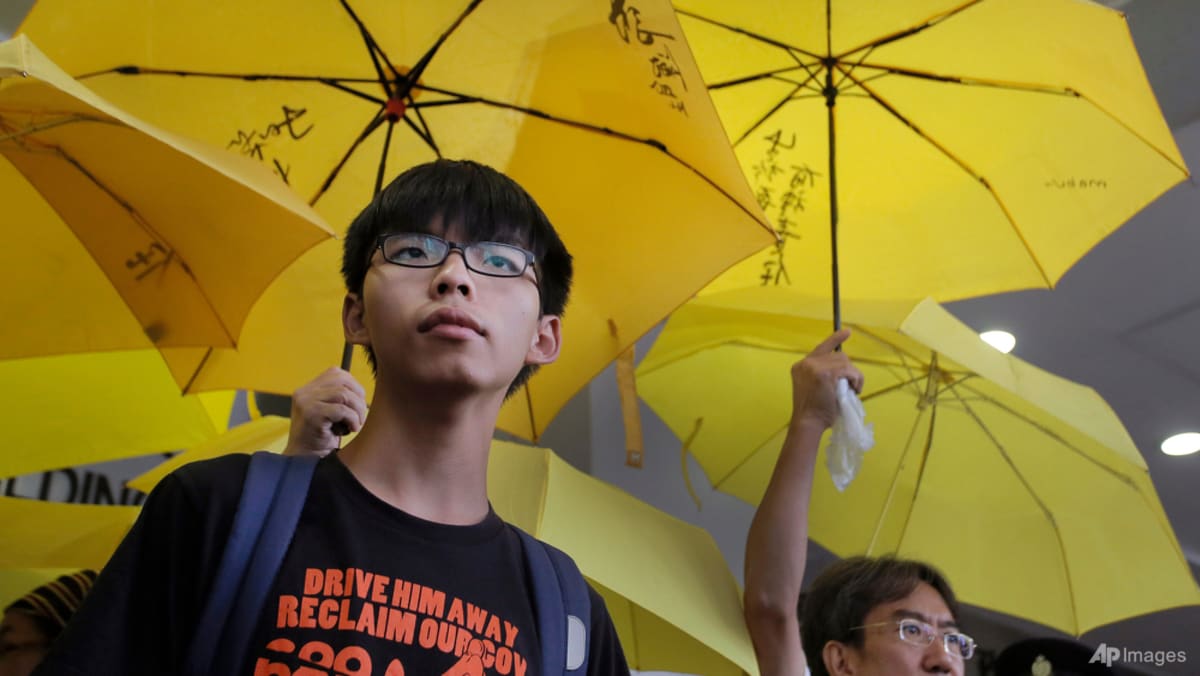
Prominent Hong Kong activist Joshua Wong has pleaded guilty to charges of collusion with foreign entities under the national security law. This plea marks a significant development in the ongoing crackdown on dissent in Hong Kong.
Joshua Wong Pleads Guilty to Collusion Charges
In a significant turn of events for Hong Kong’s pro-democracy movement, prominent activist Joshua Wong has pleaded guilty to charges of collusion with foreign entities under the controversial national security law. This plea comes amid a broader crackdown on dissent that has raised concerns about the erosion of freedoms in the city.
The Context of the Plea
Wong, a well-known figure in Hong Kong’s fight for democracy, entered his guilty plea in a Hong Kong court on Wednesday. The charges stem from his involvement in organizing international support for the pro-democracy protests that erupted in 2019, which the Chinese government has characterized as a threat to national security.
The national security law, implemented in June 2020, criminalizes acts of secession, subversion, terrorism, and collusion with foreign forces. Critics argue that the law has been used to stifle dissent and undermine the freedoms guaranteed to Hong Kong under the “one country, two systems” framework.
The Implications of Wong's Plea
Wong's admission of guilt is seen as a pivotal moment for the pro-democracy movement in Hong Kong. It reflects the increasing pressure that activists face in a political climate that has become increasingly hostile to dissent. As one of the most recognizable faces of the movement, Wong's plea may discourage other activists from continuing their fight for democracy, fearing similar repercussions.
Legal experts suggest that Wong's decision to plead guilty may have been influenced by the harsh realities of the current legal environment in Hong Kong. The courts have shown a tendency to side with the government, and many activists have received lengthy sentences for their involvement in protests and other forms of dissent.
Public Reaction and International Response
The reaction to Wong's plea has been swift, with many in Hong Kong and around the world expressing their dismay. Activists and supporters have taken to social media to voice their concerns, labeling the plea as a tragic outcome of the oppressive political climate in Hong Kong.
Internationally, Wong's case has drawn attention from human rights organizations and foreign governments, who have condemned the use of the national security law to silence dissent. The United States, in particular, has been vocal in its criticism, calling for the release of political prisoners in Hong Kong and the restoration of freedoms in the city.
Wong's Legacy and Future
Joshua Wong first gained prominence during the Umbrella Movement in 2014, which called for greater democratic reforms in Hong Kong. Since then, he has become a symbol of the struggle for democracy in the region, garnering international support and recognition.
As Wong faces sentencing, the future of the pro-democracy movement in Hong Kong remains uncertain. Many activists have been arrested or have fled into exile, while others continue to face the threat of prosecution under the national security law.
Wong's plea is not just a personal turning point; it represents the broader challenges facing the movement and the ongoing fight for democratic freedoms in Hong Kong. As the city navigates its complex political landscape, the international community watches closely, hoping for a resolution that honors the rights and aspirations of its people.