Jolin Tsai Takes Legal Action Against Influencer Over 'Cult' Remarks About Pleasure World Tour
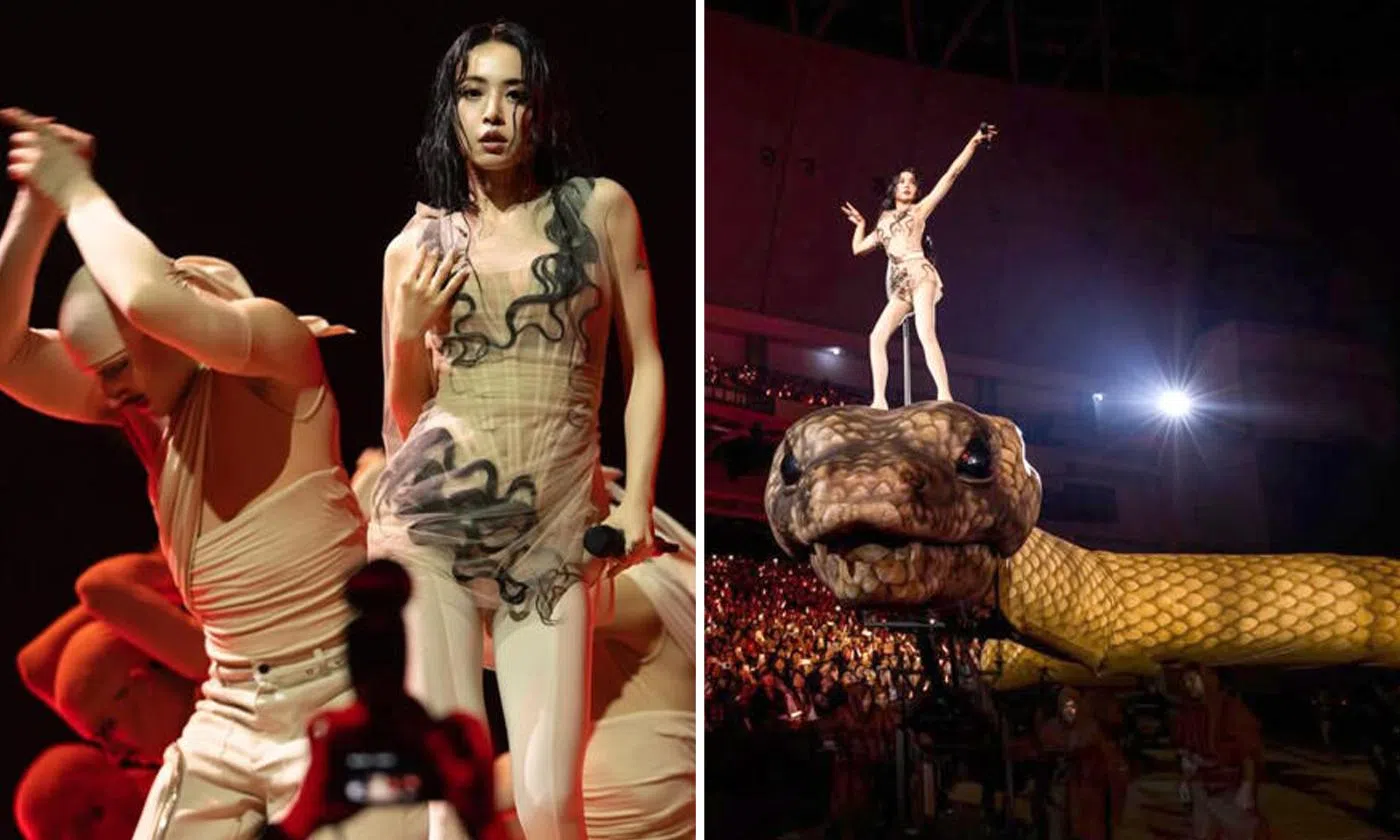
Taiwanese pop icon Jolin Tsai has initiated a lawsuit against a social media influencer for labeling her recent concert tour as a 'cult' event. The legal action highlights the ongoing tension between celebrity culture and public perception in Taiwan.
Introduction
In a striking development in the world of Taiwanese pop culture, renowned singer Jolin Tsai has filed a lawsuit against a social media influencer who referred to her much-anticipated Pleasure World Tour as a 'cult' event. The legal action has sparked widespread discussions about the implications of celebrity influence and the responsibility of public figures in shaping cultural narratives.
The Controversial Remarks
The controversy began when the influencer, known for their provocative and often controversial commentary, made a series of posts on social media that criticized Tsai's concert tour. In these posts, the influencer described the event as a 'cult-like experience,' suggesting that it was more about blind devotion than genuine artistic expression. This characterization did not sit well with Tsai, who has long been a beloved figure in Taiwan's music scene.
Jolin Tsai's Response
In response to the influencer's remarks, Tsai's legal team swiftly moved to file a lawsuit, citing defamation and the potential harm to her reputation. Tsai, who has built her career on empowering messages and artistic integrity, has expressed her dismay at the influencer's choice of words. In a statement, she emphasized that her concerts are meant to be a celebration of individuality and self-expression, not a platform for cult-like behavior.
The Impact of Social Media
This incident underscores the growing influence of social media on public discourse and the potential consequences of careless commentary. Influencers wield significant power in shaping perceptions, and their words can have lasting effects on the individuals they discuss. Tsai's decision to take legal action highlights the importance of accountability in the digital age, where misinformation can spread rapidly and damage reputations.
Public Reaction
The public reaction to the lawsuit has been mixed. Supporters of Tsai have rallied behind her, praising her for standing up against what they perceive as unjust criticism. Many fans argue that the influencer's comments were not only misleading but also disrespectful to the hard work and creativity that goes into producing a concert tour of Tsai's caliber.
On the other hand, some social media users believe that the influencer's remarks, while perhaps harsh, fall under the umbrella of free speech. They argue that public figures should be prepared to face criticism, especially in an era where opinions are shared openly and frequently across platforms. This debate raises important questions about the balance between freedom of expression and the potential for harm that can come from inflammatory statements.
Legal Considerations
As the lawsuit unfolds, legal experts are weighing in on the implications of the case. Defamation laws in Taiwan provide a framework for individuals to seek redress for false statements that harm their reputation. However, the challenge lies in proving that the influencer's comments were indeed defamatory and not simply a matter of personal opinion. The outcome of this case could set a precedent for how similar disputes are handled in the future.
Conclusion
Jolin Tsai's decision to sue the influencer over the 'cult' remarks is a significant moment in Taiwan's cultural landscape. It highlights the complexities of celebrity culture, the power of social media, and the ongoing dialogue about the responsibilities that come with public influence. As the case progresses, it will be interesting to see how it shapes the conversation around free speech and accountability in the digital age.