Jimmy Lai Set for Sentencing Following National Security Conviction
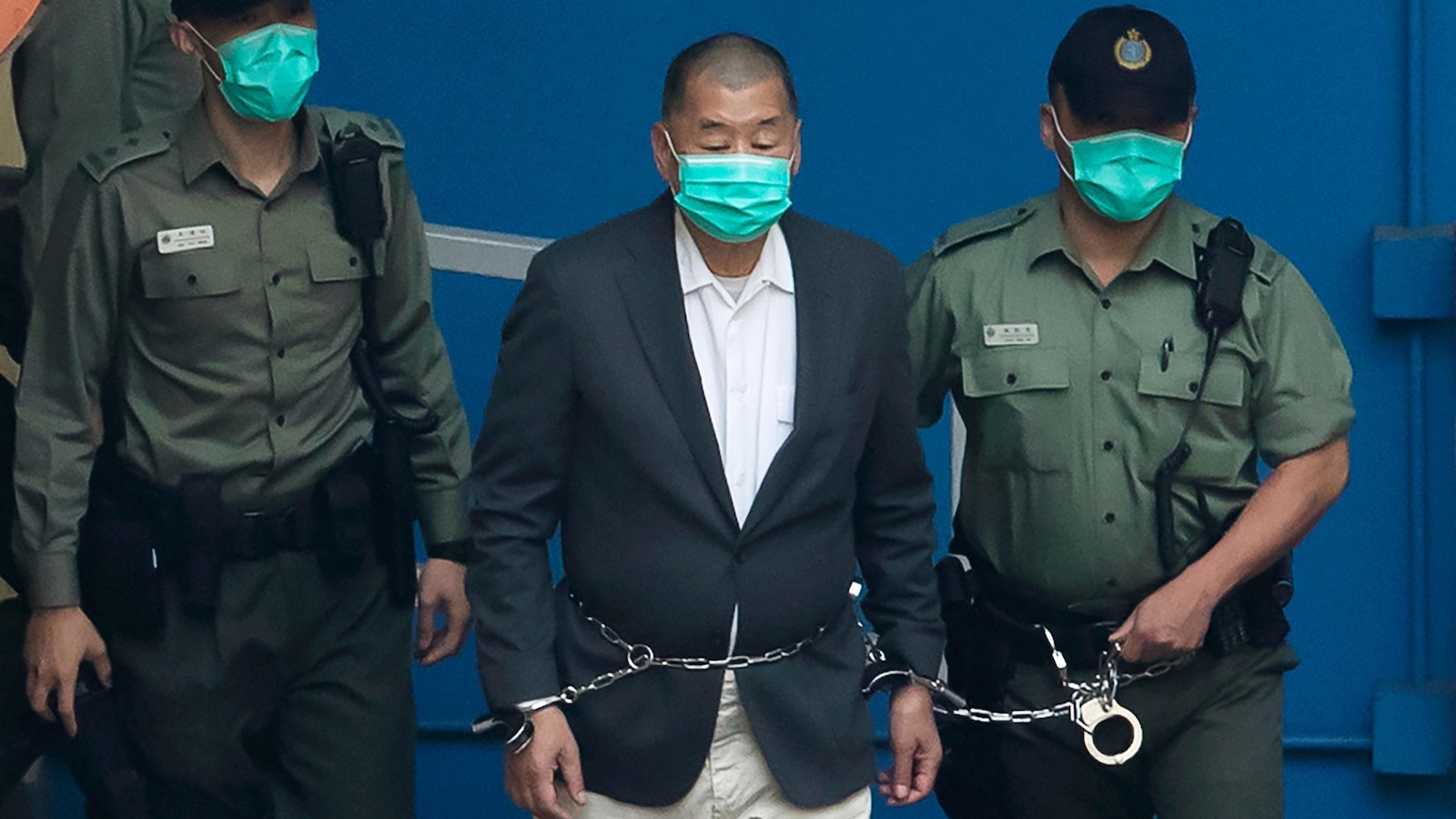
Jimmy Lai, the former media tycoon and founder of Apple Daily, is facing sentencing after being convicted under Hong Kong's national security law. His case has drawn international attention and raised concerns over press freedom in the region.
Introduction
Jimmy Lai, the former media mogul and founder of the now-defunct Apple Daily, is set to be sentenced on Monday following his conviction under Hong Kong's controversial national security law. Lai, a prominent critic of the Chinese government, was found guilty of colluding with foreign forces, a charge that has sparked widespread debate about the erosion of press freedoms and civil liberties in the city.
Background of the Case
Lai's legal troubles began in 2020 when the national security law was imposed by Beijing, which critics argue is designed to stifle dissent in the semi-autonomous region. The law has been used to target pro-democracy activists, journalists, and politicians, leading to a significant crackdown on free speech and press freedom. Lai's case is particularly emblematic of this trend, as he has been an outspoken advocate for democracy and human rights in Hong Kong.
Details of the Conviction
In a trial that has been closely watched both locally and internationally, Lai was convicted on charges of colluding with foreign forces, which included soliciting foreign sanctions against Hong Kong and China. The prosecution presented evidence of Lai's communications with foreign politicians and organizations, asserting that these actions undermined national security. Lai has consistently denied the charges, stating that he was merely advocating for democratic reforms and human rights.
Implications for Press Freedom
The conviction of Jimmy Lai has raised alarm bells among journalists and press freedom advocates worldwide. Many view the case as a pivotal moment for the media landscape in Hong Kong, where the once-vibrant press has faced increasing restrictions. The closure of Apple Daily in June 2021, following a police raid and the freezing of its assets, marked a significant blow to independent journalism in the region.
International organizations, including Reporters Without Borders and the Committee to Protect Journalists, have condemned Lai's conviction, calling it a clear violation of press freedom. They argue that the national security law is being weaponized to silence dissent and curb journalistic independence.
International Reactions
The international community has reacted strongly to Lai's situation. Governments and human rights organizations have called for his immediate release and criticized the broader implications of the national security law on civil liberties in Hong Kong. The United States, in particular, has condemned the Chinese government's actions, stating that they undermine the autonomy promised to Hong Kong under the Sino-British Joint Declaration.
In a recent statement, U.S. Secretary of State Antony Blinken expressed concern over the increasing repression of free speech in Hong Kong and reiterated the U.S. commitment to supporting the rights and freedoms of the people in the region.
Looking Ahead
As Lai awaits sentencing, the implications of his case will likely continue to resonate throughout Hong Kong and beyond. Observers are keenly watching how the judiciary will handle the sentencing, and whether it will further embolden the government's crackdown on dissent or inspire renewed calls for democratic reforms.
In the wake of Lai's conviction, many activists and journalists are questioning the future of press freedom in Hong Kong. The case serves as a stark reminder of the challenges faced by those who dare to speak out against authority in a city that was once a bastion of free expression.
Conclusion
Jimmy Lai's sentencing marks a critical juncture for Hong Kong, as it grapples with the implications of the national security law and its impact on civil liberties. As the world watches, the outcome of this case will likely shape the future of journalism and activism in the region.