Jimmy Lai Set for Sentencing Following National Security Trial
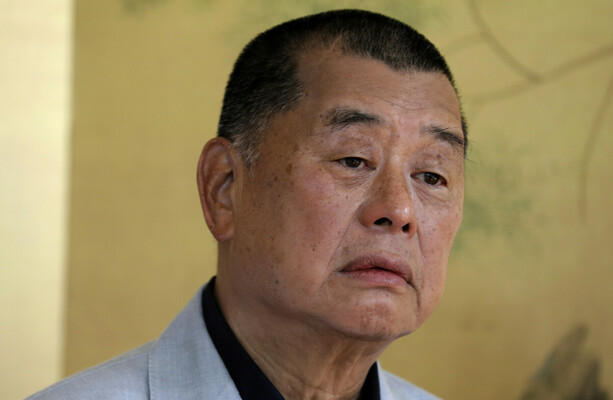
Hong Kong media tycoon Jimmy Lai is poised to receive his sentencing on Monday after a high-profile national security trial. The outcome is expected to have significant implications for press freedom in the region.
Introduction
In a landmark case that has drawn international attention, Hong Kong media tycoon Jimmy Lai is set to be sentenced on Monday following a national security trial that has raised serious concerns about the state of press freedom in the region. Lai, the founder of the pro-democracy newspaper Apple Daily, was convicted on charges that many see as politically motivated, reflecting the tightening grip of Beijing over Hong Kong's once-vibrant civil society.
Background of the Case
Jimmy Lai, a prominent figure in Hong Kong's pro-democracy movement, was arrested in August 2020 under the controversial National Security Law imposed by Beijing. The law was enacted in response to the widespread protests that erupted in 2019, aimed at safeguarding Hong Kong's autonomy and freedoms. Lai's trial has been characterized by a lack of transparency, with many observers highlighting the legal and political challenges faced by defendants in national security cases.
Charges and Conviction
Lai was charged with collusion with foreign forces, a serious offense under the National Security Law, which carries a maximum penalty of life imprisonment. The prosecution argued that Lai had sought foreign sanctions against Hong Kong and China, actions that they claimed undermined national security. In a trial that concluded earlier this month, Lai was found guilty, prompting widespread condemnation from human rights organizations and press freedom advocates.
Implications for Press Freedom
The sentencing of Jimmy Lai is expected to send shockwaves through the media landscape in Hong Kong and beyond. Lai's case is emblematic of the broader crackdown on dissent and the erosion of press freedoms in the region since the implementation of the National Security Law. Critics argue that the law has been weaponized to silence journalists, activists, and anyone who dares to challenge the authorities.
International Response
The international community has been vocal in its condemnation of Lai's trial and the broader implications for freedom of expression in Hong Kong. Governments and organizations, including the United Nations and various human rights groups, have called for Lai's release and criticized the Hong Kong government's actions as a violation of fundamental human rights. The U.S. State Department has also expressed concerns, stating that the charges against Lai are politically motivated and aimed at stifling dissent.
Public Sentiment and Protests
As the sentencing date approaches, public sentiment in Hong Kong remains tense. Supporters of Lai have organized protests in solidarity, calling for his release and denouncing the government's crackdown on free speech. The atmosphere in Hong Kong is charged, with many fearing that the outcome of Lai's sentencing could set a precedent for future cases against journalists and activists.
Conclusion
The sentencing of Jimmy Lai marks a critical juncture in Hong Kong's ongoing struggle for democracy and freedom of the press. As the world watches closely, the implications of this case extend far beyond Lai himself, potentially shaping the future of civil liberties in Hong Kong and influencing the global discourse on human rights in the face of authoritarianism. The outcome of this trial could either galvanize the pro-democracy movement or further entrench the government's repressive tactics.