Jimmy Lai Sentenced to Jail in Landmark Democracy Case
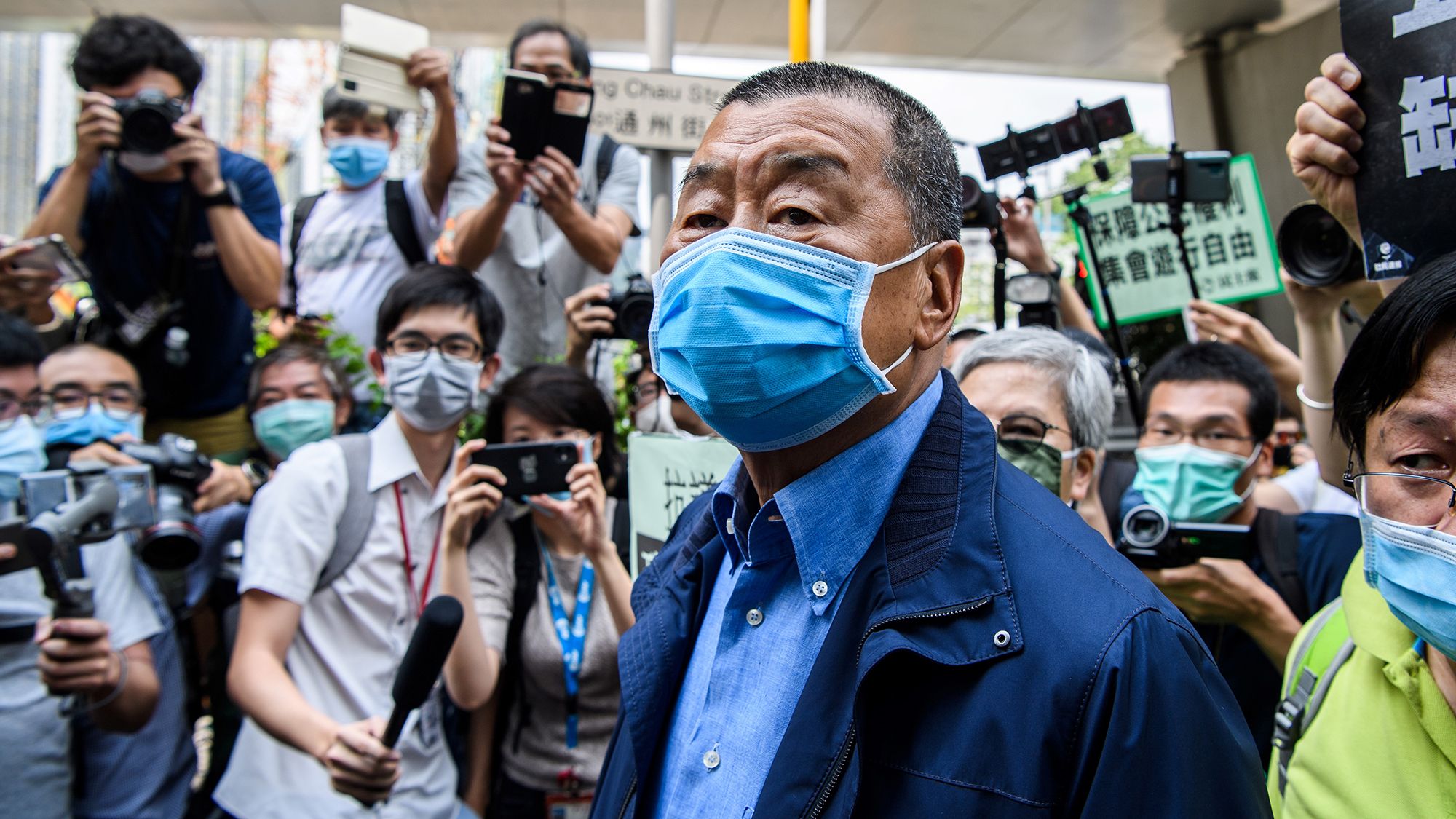
Prominent democracy advocate Jimmy Lai has been sentenced to jail in Hong Kong, marking a significant moment in the ongoing struggle for political freedoms in the region. This decision has drawn widespread condemnation from international human rights organizations and sparked protests among pro-democracy supporters.
Background of the Case
Jimmy Lai, the founder of the pro-democracy newspaper Apple Daily, has been sentenced to a significant prison term in a case that has garnered international attention and condemnation. Lai, a prominent figure in the Hong Kong democracy movement, was convicted on charges of fraud and collusion with foreign forces, accusations that many observers consider politically motivated. His sentencing is seen as part of a broader crackdown on dissent in the semi-autonomous region.
Details of the Sentencing
The court's decision to imprison Lai comes after a lengthy legal battle that has been characterized by allegations of unfair trials and a lack of transparency. Lai was sentenced to a total of 14 months in prison, a decision that has been met with outrage from his supporters and human rights advocates. The judge's ruling emphasized the need to uphold the law, but critics argue that the case is emblematic of the erosion of freedoms in Hong Kong since the imposition of the National Security Law in 2020.
Reactions from the International Community
The international community has reacted strongly to Lai's sentencing. Human rights organizations, including Amnesty International and Human Rights Watch, have condemned the verdict, calling it a blatant attempt to silence dissenting voices in Hong Kong. U.S. Secretary of State Antony Blinken stated that Lai's imprisonment is a clear violation of the freedoms promised to Hong Kong under the Sino-British Joint Declaration. He urged the Chinese government to respect the rights and freedoms of the people of Hong Kong.
Impact on Hong Kong's Political Landscape
Lai's conviction is likely to have far-reaching implications for the pro-democracy movement in Hong Kong. As one of the most recognizable faces of the struggle for democratic reforms, Lai's imprisonment sends a chilling message to other activists and journalists in the region. Many fear that this will lead to further crackdowns on free speech and political expression, as the government continues to tighten its grip on dissent.
Public Response and Protests
In the wake of the verdict, protests erupted across Hong Kong, with demonstrators taking to the streets to express their anger and frustration. Many chanted slogans in support of Lai and called for the protection of democratic freedoms. Despite the heavy police presence and the threat of arrests, the protests reflect a growing discontent among the population regarding the government's approach to dissent.
The Future of Democracy in Hong Kong
The future of democracy in Hong Kong appears increasingly uncertain following Lai's sentencing. Activists and political commentators are concerned that the government's actions will deter future activism and lead to a more subdued civil society. The case has also sparked discussions about the role of international support for Hong Kong's pro-democracy movement, with many advocating for stronger measures from foreign governments to hold China accountable for its actions.
Conclusion
Jimmy Lai's sentencing marks a pivotal moment in Hong Kong's ongoing struggle for democracy and human rights. As the city grapples with the implications of this verdict, the resilience of its people and the international community's response will play crucial roles in shaping the future of political freedoms in the region. The world watches closely as the situation unfolds, hoping for a return to the principles of democracy and justice that have long been a hallmark of Hong Kong's identity.