Jimmy Lai Sentenced to Five Years in Prison Amidst Rising Tensions in Hong Kong
Jimmy Lai, the prominent pro-democracy activist and founder of Apple Daily, has been sentenced to five years in prison for fraud, a move that underscores the ongoing crackdown on dissent in Hong Kong. This development comes as Beijing emphasizes self-reliance in technology and seeks to consolidate power amid international scrutiny.
Introduction
In a significant ruling that has drawn international condemnation, Jimmy Lai, the founder of the now-defunct pro-democracy newspaper Apple Daily, was sentenced to five years in prison on charges of fraud. This verdict is part of a broader campaign by the Hong Kong government to suppress dissent and silence voices critical of the Beijing regime.
The Case Against Jimmy Lai
Lai was convicted of fraud for allegedly subletting office space without the landlord's consent, a charge many view as politically motivated. His sentencing has been interpreted as a stark warning to other activists and journalists in the region, signaling that the Hong Kong government will not tolerate opposition to its authority.
International Reactions
The ruling has sparked outrage among human rights advocates and foreign governments. The United States condemned the sentence, calling it a further erosion of freedoms in Hong Kong. The U.S. State Department reiterated its support for the people of Hong Kong and called for the release of all political prisoners.
Beijing’s Stance on Self-Reliance
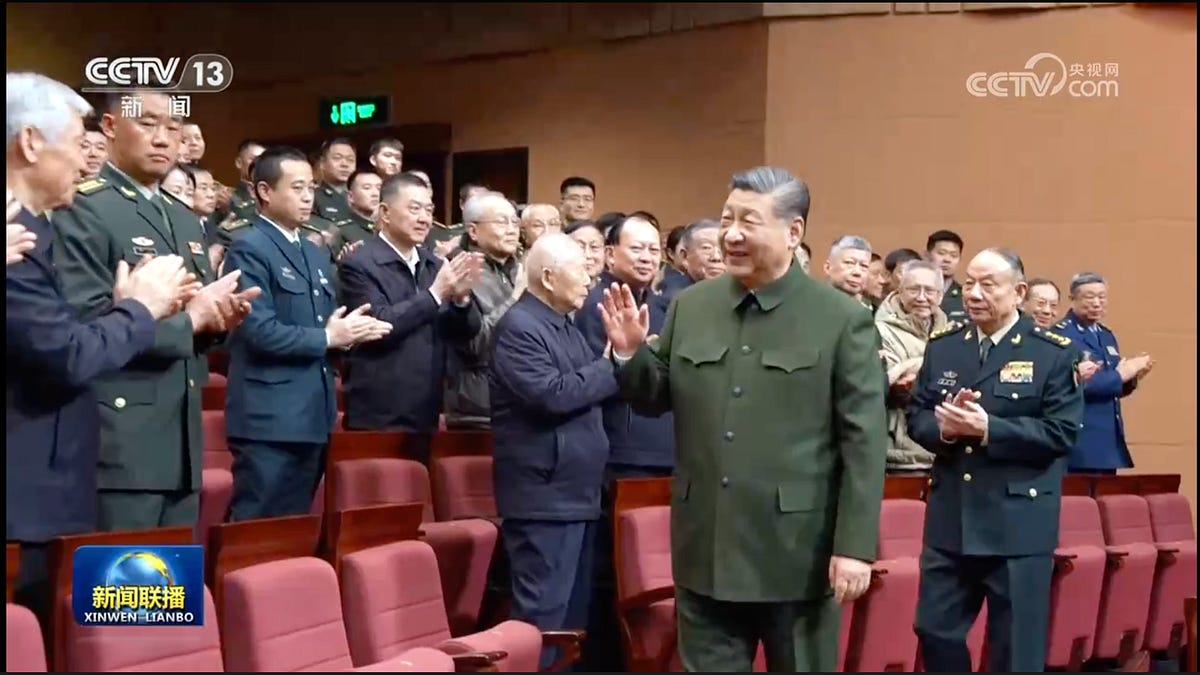
As the international community reacts to Lai's sentencing, Beijing has been vocal about its commitment to achieving self-reliance in technology and innovation. President Xi Jinping has emphasized the need for China to bolster its technological capabilities, particularly in the face of increasing tensions with the United States. This push for self-reliance is seen as a strategic move to reduce dependency on foreign technology and bolster national security.
Implications for Hong Kong
The sentencing of Lai is indicative of a broader trend in Hong Kong, where the government has intensified its crackdown on dissent since the implementation of the National Security Law in 2020. Critics argue that the law has effectively dismantled the freedoms that were once guaranteed under the 'one country, two systems' framework.
Japan’s Political Landscape
In a related context, Japan is preparing for upcoming elections, which could have implications for its foreign policy regarding China and Hong Kong. As Japan navigates its own political challenges, the government is likely to keep a close eye on developments in Hong Kong, particularly as they relate to regional stability and security.
AI and Propaganda
Meanwhile, the rise of artificial intelligence has introduced new dynamics in the realm of propaganda and information dissemination. Governments, including China’s, are increasingly utilizing AI tools to control narratives and influence public perception. This technology poses challenges for independent journalism and raises concerns about the future of free speech in regions like Hong Kong.
Conclusion
The sentencing of Jimmy Lai marks a critical juncture in Hong Kong's ongoing struggle for democracy and freedom. As the city grapples with increasing authoritarianism, the international community must remain vigilant and supportive of those who continue to fight for their rights. The case serves as a reminder of the delicate balance between power and freedom, and the lengths to which regimes may go to maintain control.