Jimmy Lai's Trial Concludes Mitigation Phase Amidst Heightened Tensions
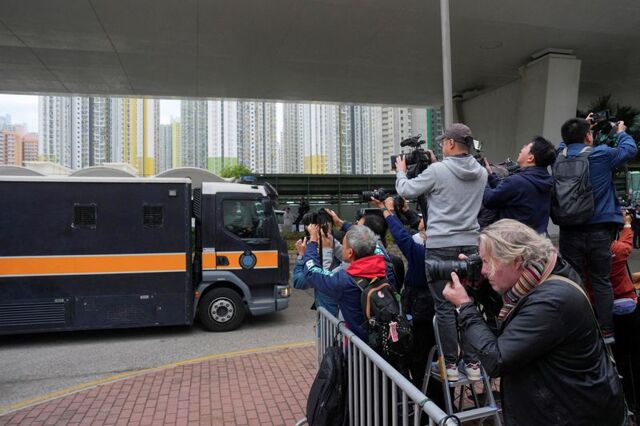
The trial of media tycoon Jimmy Lai has entered its final stages, with the mitigation phase concluding. Lai, a prominent critic of the Chinese government, faces serious charges that could significantly impact press freedom in Hong Kong.
Trial of Media Tycoon Jimmy Lai Concludes Mitigation Phase
The high-profile trial of Jimmy Lai, the founder of Hong Kong's pro-democracy newspaper Apple Daily, has reached a critical juncture with the conclusion of the mitigation phase. Lai, who has been a vocal opponent of the Chinese government's tightening grip on Hong Kong, faces multiple charges under the national security law, raising serious concerns about the future of press freedom in the region.
Background on Jimmy Lai and His Charges
Jimmy Lai, a 75-year-old media mogul, has been a prominent figure in Hong Kong's pro-democracy movement. His newspaper, Apple Daily, was known for its staunch criticism of the Chinese Communist Party and its policies in Hong Kong. In 2020, Lai was arrested and charged under the controversial national security law, which many believe is being used to stifle dissent and undermine the autonomy promised to Hong Kong under the "one country, two systems" framework.
Details of the Mitigation Phase
The mitigation phase concluded recently, with Lai's defense team presenting arguments aimed at reducing his potential sentence. His lawyers emphasized Lai's contributions to journalism and his commitment to free speech, arguing that his actions were motivated by a desire to uphold democratic values rather than to incite violence or unrest.
During the proceedings, the court heard testimonies from various witnesses, including prominent journalists and activists, who spoke to Lai's character and his role in promoting press freedom in Hong Kong. The defense also highlighted the chilling effect that Lai's prosecution could have on other journalists and media outlets operating in the region.
Prosecution's Stance
In contrast, the prosecution argued that Lai's actions constituted a serious threat to national security. They pointed to his alleged connections with foreign entities and his calls for international intervention in Hong Kong's affairs as evidence of his guilt. The prosecution's case is seen as part of a broader crackdown on dissent in Hong Kong, which has intensified since the implementation of the national security law.
Public Reaction and International Implications
The trial has drawn significant attention both locally and internationally, with many viewing it as a litmus test for the state of press freedom in Hong Kong. Protests have erupted outside the courthouse, with supporters of Lai calling for his release and denouncing the government's actions as politically motivated. International human rights organizations have also condemned the trial, urging the Hong Kong government to uphold its commitments to free speech and human rights.
As the trial moves towards its conclusion, many are watching closely to see how the court will rule. A conviction could set a dangerous precedent for journalists and activists in Hong Kong, further eroding the freedoms that have traditionally been enjoyed in the territory.
Looking Ahead
The outcome of Jimmy Lai's trial is expected to have far-reaching implications for the future of journalism in Hong Kong. As the city grapples with the realities of the national security law, the international community remains vigilant, calling for accountability and the protection of fundamental rights.
In the coming weeks, the court is expected to deliver its verdict, a decision that could either reaffirm the government's stance on national security or signal a glimmer of hope for those advocating for press freedom and democratic values in Hong Kong.