Jimmy Lai's Son Calls Father's 20-Year Sentence 'Devastating' Yet Expected
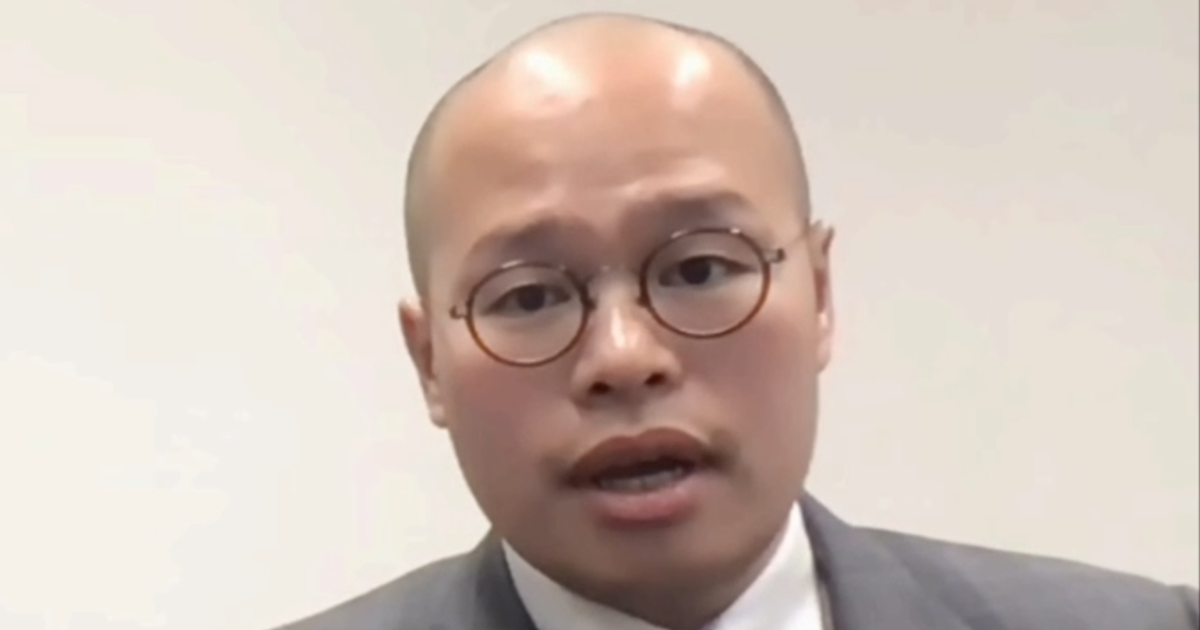
Jimmy Lai, a prominent pro-democracy activist in Hong Kong, has received a 20-year prison sentence, which his son describes as both 'devastating' and anticipated. This ruling highlights the ongoing crackdown on dissent in the region amidst increasing tensions between pro-democracy advocates and the Chinese government.
Introduction
In a significant development for Hong Kong's pro-democracy movement, Jimmy Lai, the founder of the Apple Daily newspaper, has been sentenced to 20 years in prison. This ruling has drawn sharp reactions from both supporters and critics, with Lai's son expressing that the sentence, while devastating, was expected given the current political climate in the region.
Background on Jimmy Lai
Jimmy Lai, a vocal critic of the Chinese Communist Party, has been a prominent figure in Hong Kong's pro-democracy protests. His media outlet, Apple Daily, was known for its staunch opposition to Beijing's increasing control over the city. Lai was arrested in 2020 under the National Security Law, which was implemented by Beijing to suppress dissent in Hong Kong. His legal battles have become emblematic of the broader struggle for freedom of expression and human rights in the territory.
Details of the Sentencing
The 20-year sentence was handed down after Lai was convicted on multiple charges, including conspiracy to collude with foreign forces. The court's decision has been met with outrage from international human rights organizations, which argue that the case is politically motivated and part of a systematic effort to silence dissent in Hong Kong.
Reactions from Family and Supporters
Lai's son, Sebastien Lai, spoke out following the sentencing, describing the ruling as “devastating” but not surprising. He emphasized that the family had anticipated such a harsh sentence given the government's ongoing crackdown on pro-democracy figures. “We knew this was a possibility, but it doesn’t make it any easier to bear,” he stated. The sentiment among Lai's supporters reflects a deep concern over the future of free speech and civil liberties in Hong Kong.
International Response
The international community has reacted strongly to Lai's sentencing. Several Western governments, including the United States and the United Kingdom, have condemned the ruling, calling it a clear violation of human rights. U.S. Secretary of State Antony Blinken described Lai's sentence as part of a broader pattern of repression in Hong Kong, urging China to uphold its commitments to the region's autonomy and freedoms.
The Broader Implications
This sentencing is seen as a crucial moment in Hong Kong's political landscape, where the space for dissent has been rapidly shrinking. Activists fear that Lai's case could set a precedent for the treatment of other pro-democracy advocates, further stifling voices that oppose the government. The chilling effect of such rulings raises questions about the future of democracy in Hong Kong and the potential for further crackdowns on civil liberties.
Conclusion
As the situation in Hong Kong continues to evolve, the implications of Jimmy Lai's sentence extend far beyond his personal fate. It serves as a stark reminder of the challenges faced by those who dare to speak out against authoritarianism. The global response to this case will likely shape the discourse surrounding human rights in Hong Kong and influence international relations with China in the years to come.