Jimmy Lai's Legal Battle: A Test of Hong Kong's Freedoms Under Xi Jinping
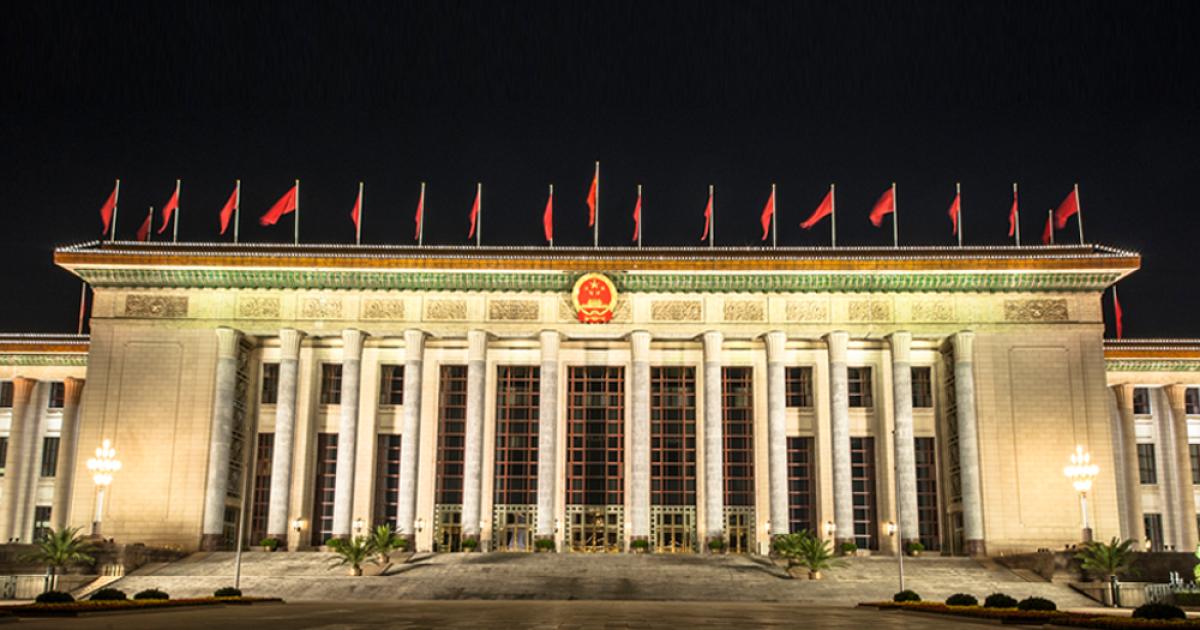
The ongoing legal proceedings against Jimmy Lai, a prominent pro-democracy activist and media tycoon, highlight the challenges faced by Hong Kong's freedoms under Xi Jinping's rule. As Lai's trial unfolds, it raises critical questions about the future of press freedom and civil liberties in the region.
Introduction
In a significant legal battle that has captured international attention, Jimmy Lai, the founder of the pro-democracy newspaper Apple Daily, is facing multiple charges under Hong Kong's controversial National Security Law. Lai's case is emblematic of the broader struggle for freedom of expression and press in a city that has seen increasingly stringent measures imposed by the Chinese Communist Party (CCP) under the leadership of Xi Jinping.
The Background of the Case
Jimmy Lai, a vocal critic of the Chinese government, was arrested in August 2020 as part of a sweeping crackdown on dissent in Hong Kong. His newspaper, Apple Daily, was known for its outspoken stance against the CCP and its support for the pro-democracy movement. The National Security Law, enacted in June 2020, has been used to silence opposition voices and has led to the closure of several pro-democracy media outlets.
The Charges Against Lai
Lai faces charges of collusion with foreign forces, which carries a maximum sentence of life imprisonment. The prosecution alleges that he sought foreign sanctions against Hong Kong and China, a claim that has been widely criticized as a violation of free speech. Lai's defense argues that his actions are protected under the right to free expression and that the charges are politically motivated.
International Reactions
The international community has expressed deep concern over Lai's prosecution and the implications it holds for press freedom in Hong Kong. Various human rights organizations, including Amnesty International and Human Rights Watch, have condemned the charges as a blatant attack on freedom of the press. The United States government has also called for Lai's immediate release, emphasizing the importance of protecting journalists and activists in Hong Kong.
Impact on Hong Kong's Media Landscape
Lai's trial is not just a personal battle; it represents a critical juncture for the media landscape in Hong Kong. Since the implementation of the National Security Law, many journalists have faced intimidation, arrests, and self-censorship. The closure of Apple Daily in June 2021 marked a significant loss for independent journalism in the region, leaving a void that has yet to be filled.
Public Sentiment and Protests
The trial has sparked protests among pro-democracy supporters, who view Lai as a symbol of resistance against authoritarianism. Demonstrators have taken to the streets to demand justice for Lai and to call for the protection of civil liberties in Hong Kong. However, the government has responded with a heavy-handed approach, further stifling dissent and limiting the space for public expression.
The Future of Hong Kong's Freedoms
As Jimmy Lai's trial continues, the future of Hong Kong's freedoms hangs in the balance. The outcome of this case will likely set a precedent for how the National Security Law is applied in the future and will influence the trajectory of civil liberties in the region. Observers are closely monitoring the proceedings, aware that the implications extend beyond Lai himself, affecting the lives of countless others who dare to speak out against the government.
Conclusion
Jimmy Lai's legal battle is a stark reminder of the ongoing struggle for democracy and human rights in Hong Kong. As the world watches, the case serves as a litmus test for the resilience of press freedom and civil society under Xi Jinping's increasingly authoritarian regime. The outcome will undoubtedly resonate far beyond the confines of the courtroom, shaping the future of Hong Kong and its people.