Jimmy Lai's Legal Battle: A Symbol of Hong Kong's Struggle for Freedom
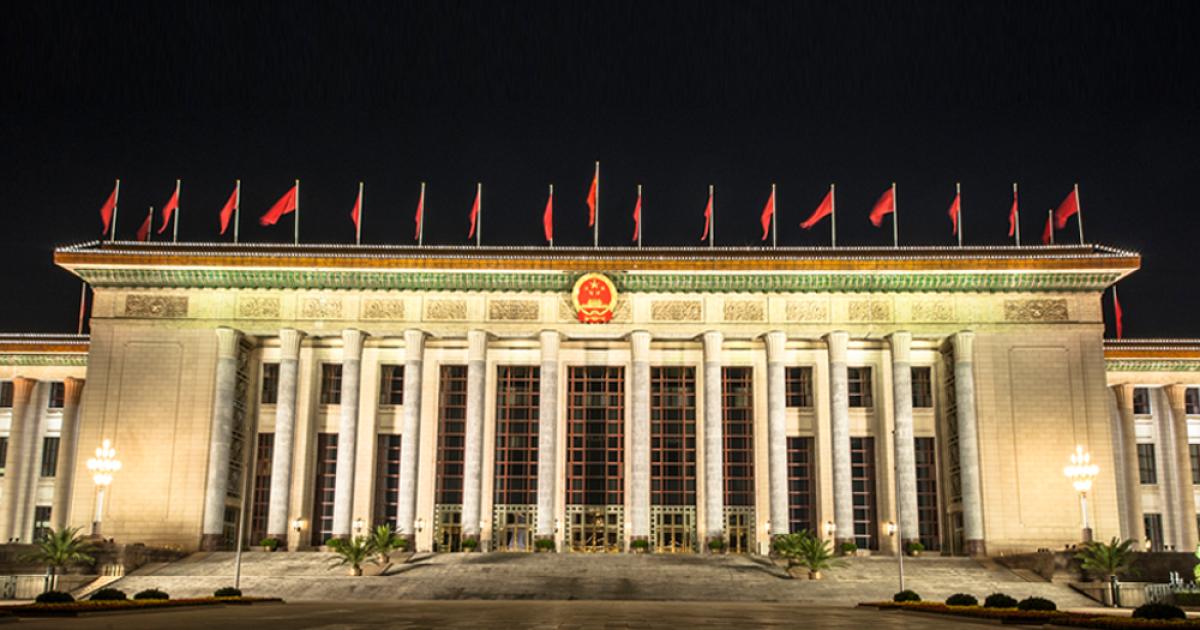
Jimmy Lai, the prominent pro-democracy activist and founder of Apple Daily, faces significant legal challenges that reflect the broader struggle for freedom in Hong Kong. His case has garnered international attention, highlighting the ongoing tensions between the city's aspirations for democracy and the tightening grip of Beijing.
Introduction
In a city where the echoes of democracy once resonated, the legal plight of Jimmy Lai has become emblematic of the ongoing struggle for freedom in Hong Kong. The founder of the now-defunct Apple Daily, Lai has been at the forefront of the pro-democracy movement, and his recent legal battles have drawn international scrutiny and concern.
The Charges Against Jimmy Lai
Jimmy Lai, a prominent media tycoon and outspoken critic of the Chinese Communist Party, has been charged under the National Security Law imposed by Beijing in 2020. The law, which many see as a tool to suppress dissent, has led to the arrest of numerous activists and journalists. Lai's charges include collusion with foreign forces, a serious accusation that carries a potential life sentence. His trial, which began earlier this year, has been marred by controversies surrounding the judicial process and the transparency of the proceedings.
International Response
The international community has reacted strongly to Lai's situation. Human rights organizations, foreign governments, and media watchdogs have condemned the charges against him, viewing them as part of a broader crackdown on free speech and civil liberties in Hong Kong. The United States, among others, has called for his immediate release, arguing that his prosecution is politically motivated and undermines the principles of democracy that Hong Kong was promised under the 'one country, two systems' framework.
The Impact on Hong Kong's Media Landscape
Lai's case is not just a personal battle; it has significant implications for the media landscape in Hong Kong. The closure of Apple Daily in June 2021 marked a turning point in the city's press freedom, as it was one of the last major pro-democracy outlets. The chilling effect of Lai's arrest has led to self-censorship among journalists and a decline in investigative reporting. Many fear that the vibrant media environment that once characterized Hong Kong is now at risk of becoming a mere echo chamber for pro-Beijing narratives.
Public Sentiment and Protests
Public sentiment regarding Lai's trial is mixed. While many in the pro-democracy camp view him as a martyr for the cause, there are segments of the population that have grown weary of the protests and the international attention that has followed. The once-massive demonstrations that filled the streets of Hong Kong have diminished in size and intensity, as many activists have been arrested or have gone into exile. However, Lai's supporters continue to rally for his cause, using social media and underground networks to organize protests and raise awareness.
The Future of Democracy in Hong Kong
As Jimmy Lai's trial progresses, the future of democracy in Hong Kong hangs in the balance. The outcome of his case could set a precedent for how dissent is treated in the city moving forward. Observers are closely watching the proceedings, as they may signal whether Hong Kong will continue to slide into authoritarianism or if there remains a glimmer of hope for democratic ideals.
Conclusion
Jimmy Lai's legal battle is more than just a personal fight; it represents the broader struggle for freedom and democracy in Hong Kong. As the world watches, the implications of this case will resonate far beyond the courtroom, shaping the future of civil liberties in the region and the ongoing relationship between Hong Kong and Beijing.