Jimmy Lai's Conviction: A Stark Warning to Hong Kong's Dissenters
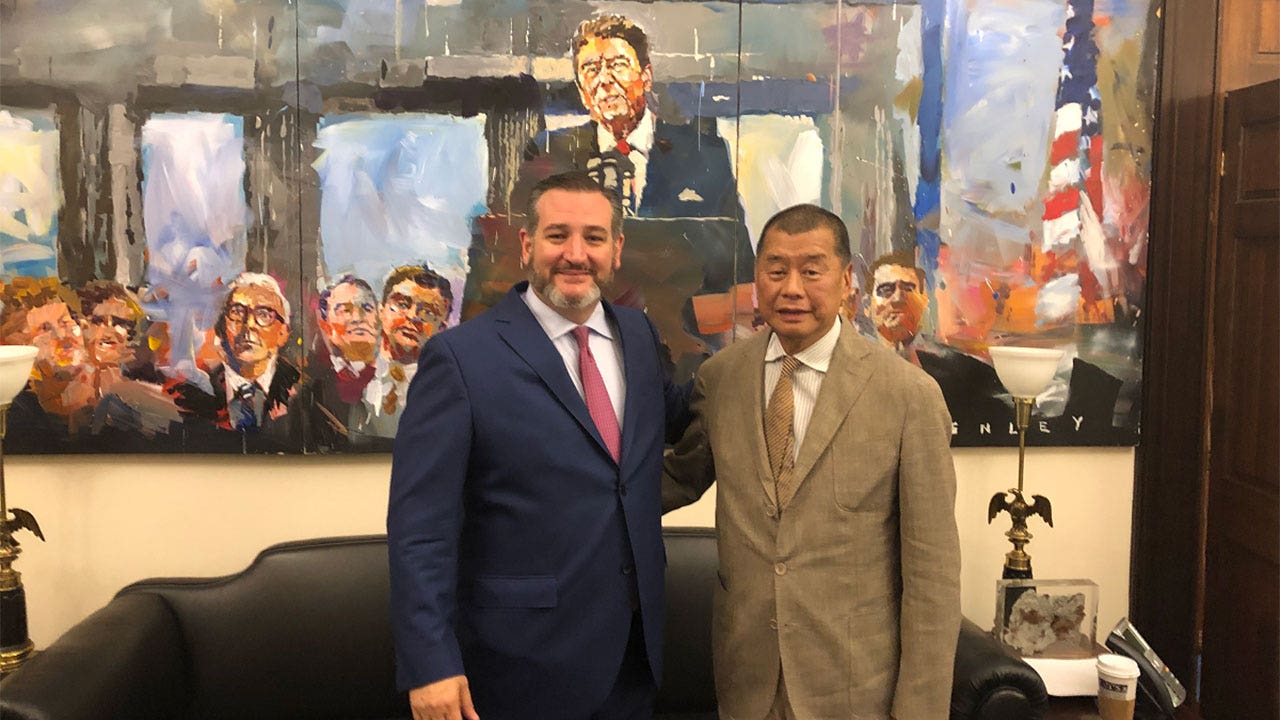
The recent conviction of Jimmy Lai, a prominent pro-democracy activist in Hong Kong, serves as a chilling reminder of the tightening grip of Beijing on the region. This case highlights the broader implications for freedom of speech and political dissent in Hong Kong.
Introduction
The conviction of Jimmy Lai, a prominent pro-democracy figure and founder of the Apple Daily newspaper, has sent shockwaves through Hong Kong and beyond. Lai's sentencing is not just a personal tragedy; it is emblematic of the broader crackdown on dissent in the territory, which has seen a significant erosion of freedoms since the imposition of the National Security Law by Beijing in 2020.
The Case Against Jimmy Lai
Jimmy Lai was convicted on charges of fraud and sentenced to five years and nine months in prison. The charges stemmed from a lease agreement for the Apple Daily office, which the authorities claimed violated the terms of the lease. Critics argue that the case is politically motivated, aimed at silencing one of the most vocal opponents of the Chinese Communist Party (CCP) and its encroachment on Hong Kong's autonomy.
Implications for Freedom of Speech
Lai's conviction raises serious concerns about freedom of speech and the press in Hong Kong. Once a bastion of free expression, the city has seen a dramatic shift in its media landscape, with numerous independent outlets shuttered and journalists facing increasing pressure. The Apple Daily, which was known for its critical stance against the government, was forced to close in June 2021, following a police raid and the arrest of Lai and other senior staff members.
A Broader Warning
The message from Lai's conviction is clear: dissent will not be tolerated. It serves as a warning to other activists, journalists, and ordinary citizens who may wish to voice their opposition to the government. The chilling effect is palpable; many are now hesitant to engage in political discourse for fear of retribution.
International Response
The international community has reacted with condemnation. Human rights organizations and foreign governments have decried Lai's conviction as a blatant violation of human rights and an affront to the principles of democracy. The United States, in particular, has criticized the Chinese government's actions, calling for Lai's immediate release and urging other nations to hold Beijing accountable for its increasingly authoritarian measures in Hong Kong.
Hong Kong's Future
As Hong Kong continues to grapple with the ramifications of Lai's conviction, the question remains: what does the future hold for the city? The erosion of freedoms and the suppression of dissent are alarming trends that threaten to redefine Hong Kong's identity. Many fear that the once-vibrant city is on a path toward becoming just another mainland Chinese city, devoid of the liberties that have historically set it apart.
Conclusion
Jimmy Lai's conviction is not just a personal loss for a dedicated activist; it is a stark reminder of the precarious state of freedom in Hong Kong. As the government continues to tighten its grip, the voices of dissent grow quieter, and the dreams of a free and democratic society seem to drift further away. The international community must remain vigilant and continue to advocate for the rights of those who dare to speak out against oppression.