Jimmy Lai Declines to Appeal National Security Conviction, Legal Team Confirms
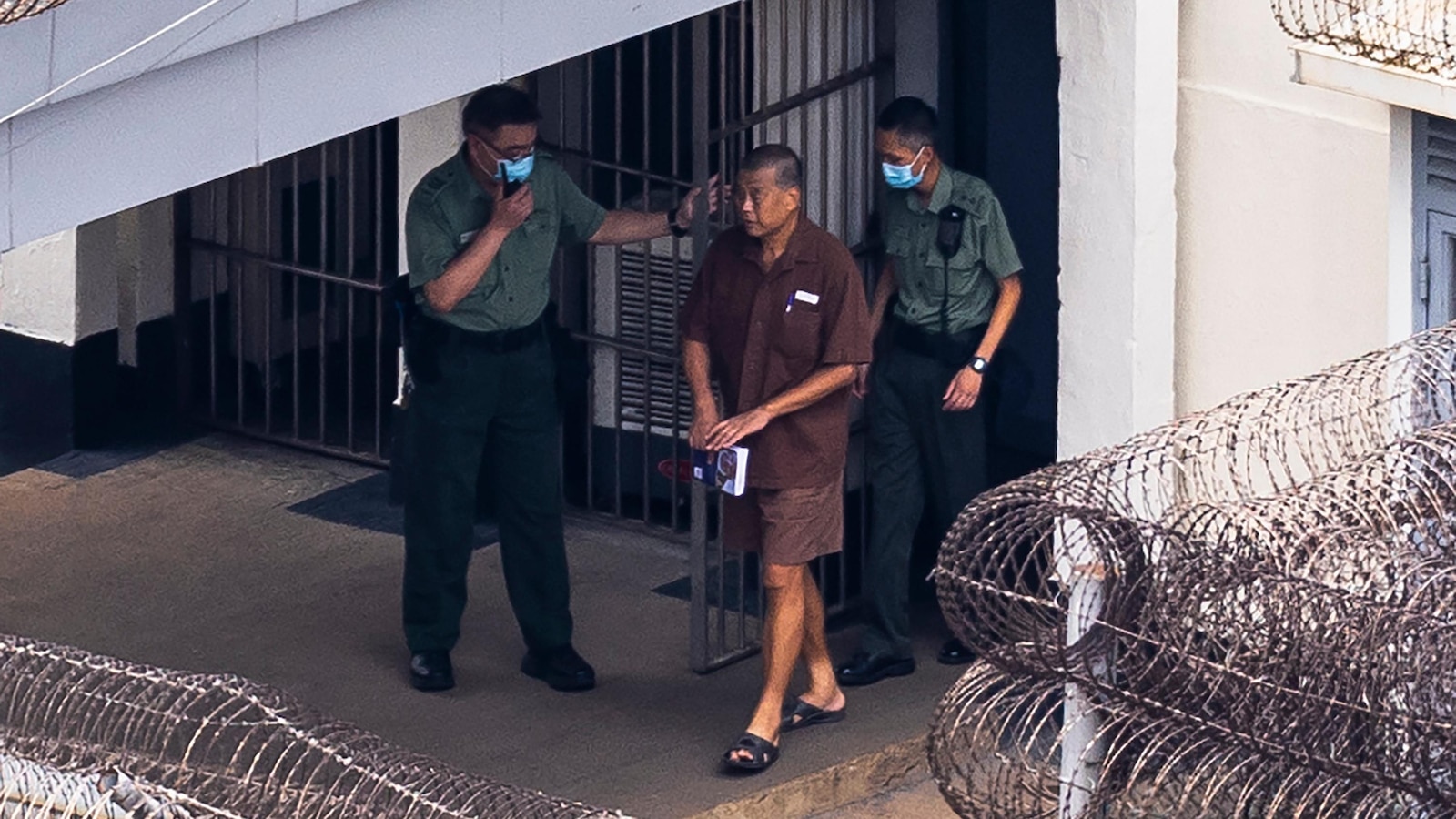
Jimmy Lai, the prominent Hong Kong pro-democracy activist and media mogul, has decided not to appeal his recent national security conviction. His legal team has confirmed this decision, marking a significant moment in the ongoing struggle for freedom of expression in Hong Kong.
Background of the Case
Jimmy Lai, the founder of the now-defunct Apple Daily newspaper, has been a prominent figure in Hong Kong's pro-democracy movement. His conviction under the controversial national security law has drawn international attention and condemnation, raising concerns about the erosion of freedoms in the region. Lai was sentenced to five years and nine months in prison for charges related to his involvement in pro-democracy protests and his outspoken criticism of the Hong Kong government and Beijing.
Decision Not to Appeal
In a recent statement, Lai's legal team announced that he would not be appealing his conviction. This decision has sparked a wave of reactions from both supporters and critics of the national security law. Lai's legal representatives indicated that the choice was made after careful consideration of the current legal landscape in Hong Kong, which has become increasingly hostile toward dissenting voices.
Implications for Freedom of Expression
Lai's decision not to appeal is viewed as a grim reflection of the current state of free speech in Hong Kong. The national security law, implemented in June 2020, has been criticized for its vague definitions and broad scope, allowing authorities to suppress dissent under the guise of maintaining national security. The law has led to the arrest of numerous activists, journalists, and politicians, effectively chilling public discourse.
International Reactions
The international community has expressed concern over Lai's conviction and the implications it holds for human rights in Hong Kong. Various human rights organizations, including Amnesty International and Human Rights Watch, have condemned the use of the national security law as a tool for political repression. U.S. Secretary of State Antony Blinken has also voiced his disapproval, stating that the law undermines Hong Kong's autonomy and freedoms.
Support for Lai
Despite his legal troubles, Lai has garnered significant support from pro-democracy advocates both in Hong Kong and abroad. Many view him as a symbol of resistance against authoritarianism. His supporters have organized rallies and campaigns to raise awareness about his situation and the broader implications of the national security law on civil liberties in Hong Kong.
Future of Pro-Democracy Movement
Lai's decision not to appeal raises questions about the future of the pro-democracy movement in Hong Kong. With increasing crackdowns on dissent, many activists are reconsidering their strategies and the risks involved in continuing their fight for democratic freedoms. The movement faces an uphill battle as the government continues to tighten its grip on civil society.
Conclusion
As Jimmy Lai embarks on the next chapter of his legal journey, his decision not to appeal his national security conviction serves as a stark reminder of the challenges faced by those who dare to speak out against the government in Hong Kong. The implications of this case extend beyond Lai himself, reflecting a broader struggle for human rights and freedom of expression in a city that has seen its liberties eroded in recent years. The world watches closely as the situation unfolds, hoping for a resurgence of democratic ideals in the face of adversity.