Jimmy Lai Declines to Appeal Conviction, Signaling Shift in Hong Kong's Pro-Democracy Movement
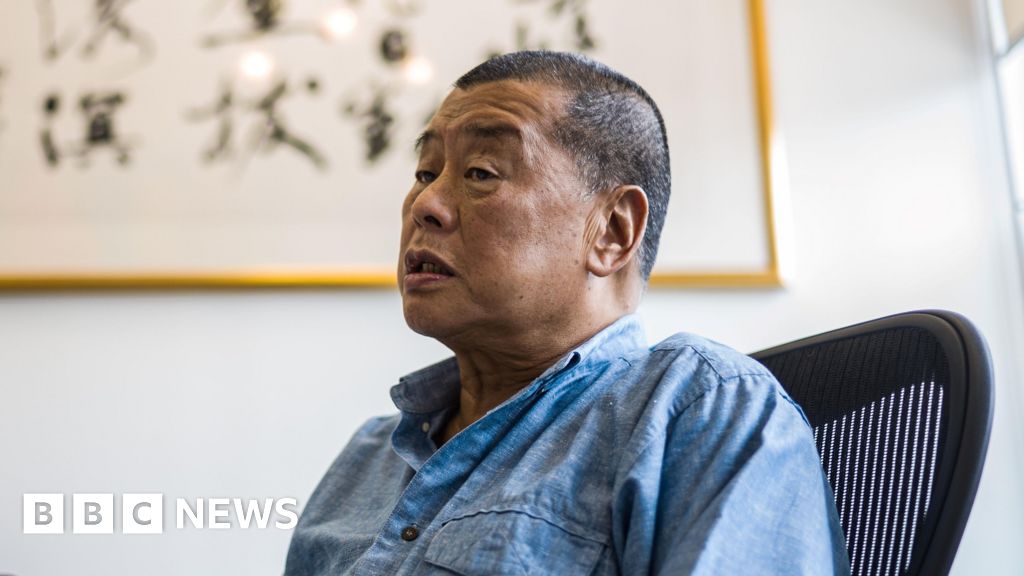
Hong Kong pro-democracy tycoon Jimmy Lai has announced he will not appeal his recent conviction, marking a significant moment in the ongoing struggle for democratic freedoms in the region. Lai's decision raises questions about the future of dissent in Hong Kong amidst increasing governmental pressure.
Background on Jimmy Lai's Case
Jimmy Lai, the founder of the pro-democracy newspaper Apple Daily, has become a symbol of the fight for democratic freedoms in Hong Kong. His recent conviction on charges related to unauthorized assembly has drawn international attention and condemnation. Lai was sentenced to 14 months in prison as part of a broader crackdown on dissent following the implementation of the National Security Law in 2020, which has been used by the Hong Kong authorities to stifle opposition.
Decision Not to Appeal
In a surprising turn of events, Lai announced that he would not pursue an appeal against his conviction. This decision has raised eyebrows among supporters and critics alike, as it suggests a potential shift in strategy within the pro-democracy camp. Lai’s legal team indicated that the decision was made after careful consideration of the current political climate in Hong Kong, where the judiciary is perceived to be increasingly aligned with the government’s interests.
Implications for the Pro-Democracy Movement
Lai's choice not to appeal could signify a growing sense of resignation among pro-democracy activists in Hong Kong. Many are grappling with the reality that the legal system may not provide a fair avenue for challenging government actions. The decision may also be indicative of a broader trend where prominent figures in the movement are opting to step back, either due to the risks involved or a lack of faith in the judicial process.
International Reaction
The international community has reacted with concern to Lai’s decision. Human rights organizations and foreign governments have condemned the Hong Kong government’s handling of dissent, calling for the release of political prisoners and a return to democratic norms. Lai’s case has been highlighted as a critical example of the erosion of freedoms in Hong Kong, with many viewing his conviction as politically motivated.
The Future of Dissent in Hong Kong
As Lai steps back from the legal battle, questions loom over the future of dissent in Hong Kong. The pro-democracy movement has faced significant challenges in recent years, with many activists arrested, exiled, or silenced. Lai’s decision not to appeal may embolden the authorities to continue their crackdown on dissent, further stifling the voices of those who oppose the government.
Conclusion
Jimmy Lai’s decision not to appeal his conviction marks a poignant moment in Hong Kong’s pro-democracy movement. It reflects the harsh realities faced by activists in the region and raises critical questions about the future of civil liberties and political dissent in a city once known for its vibrant democratic discourse. As the situation evolves, the international community continues to watch closely, advocating for the rights and freedoms of the people of Hong Kong.