Jimmy Lai Declines to Appeal Conviction Amid Ongoing Legal Battles
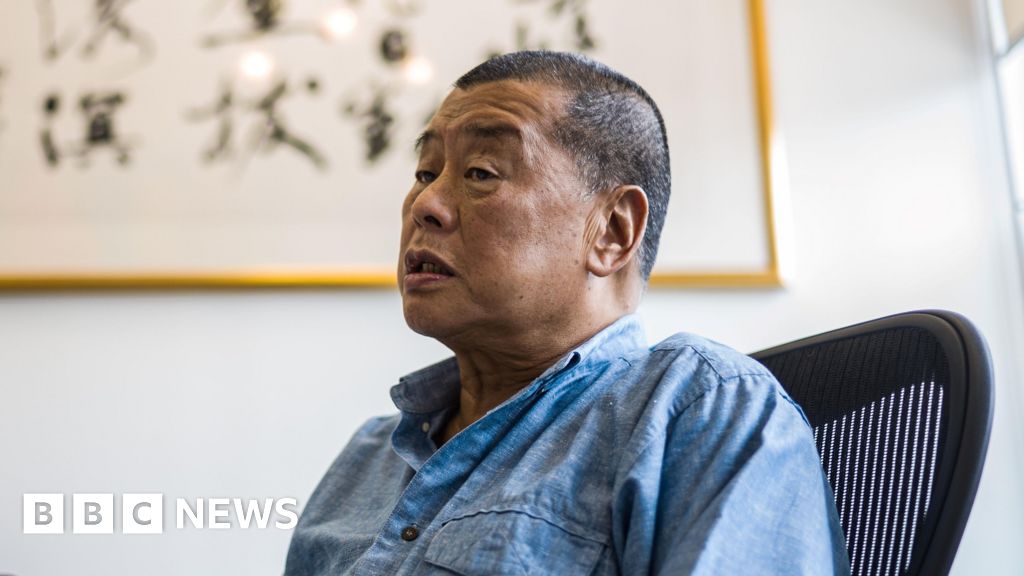
Hong Kong pro-democracy tycoon Jimmy Lai has announced that he will not appeal his recent conviction, marking a significant moment in his ongoing legal struggles. The decision comes as Lai continues to face multiple charges under the controversial national security law.
Introduction
In a notable development within Hong Kong's pro-democracy movement, tycoon Jimmy Lai has confirmed that he will not appeal his conviction related to charges under the national security law. This decision highlights the ongoing challenges faced by pro-democracy figures in the region, as Lai's legal battles continue to unfold amidst a backdrop of increasing governmental scrutiny and repression.
Background on Jimmy Lai
Jimmy Lai, the founder of the now-defunct Apple Daily newspaper, has been a prominent figure in Hong Kong's pro-democracy landscape. Known for his outspoken criticism of the Chinese government, Lai has faced numerous legal challenges since the implementation of the national security law in 2020. His media outlet was shut down by authorities, and he has been in and out of court, facing serious charges that could lead to significant prison time.
Conviction Details
Lai was convicted of fraud earlier this year, a charge that many observers believe was politically motivated. The conviction is part of a broader crackdown on dissent in Hong Kong, where authorities have targeted activists, journalists, and politicians who oppose Beijing's tightening grip on the city. Lai's case has drawn international attention, with human rights organizations and foreign governments condemning the legal actions against him as a violation of free speech and human rights.
Decision Not to Appeal
In a recent statement, Lai expressed his decision not to pursue an appeal against his conviction. He stated that the legal system in Hong Kong has become increasingly politicized and that he has little faith in its fairness. Lai's decision reflects a growing sentiment among pro-democracy activists who feel that the judicial system is being used as a tool for political repression rather than as a means of delivering justice.
Implications of the Decision
Lai's choice not to appeal his conviction could have significant implications for the pro-democracy movement in Hong Kong. It may serve as a signal to other activists about the risks involved in challenging the government through legal means. Many fear that the judiciary has lost its independence and that appeals will not result in fair outcomes. As such, Lai's decision may discourage others from pursuing similar legal paths.
International Reaction
The international community has reacted strongly to Lai's conviction and subsequent decision not to appeal. Various human rights groups have called for his immediate release, arguing that his imprisonment is a direct attack on freedom of expression. Governments around the world have also expressed concern over the erosion of democratic freedoms in Hong Kong, urging China to respect the rights of its citizens.
Future of Pro-Democracy Movement
The future of the pro-democracy movement in Hong Kong remains uncertain. With key figures like Lai facing imprisonment and legal challenges, the movement has been significantly weakened. Activists continue to organize, but the environment for dissent has become increasingly hostile. The national security law, which has been used to justify arrests and convictions of activists, looms large over any future efforts to advocate for democratic reforms.
Conclusion
Jimmy Lai's decision not to appeal his conviction underscores the dire situation for pro-democracy advocates in Hong Kong. As the legal landscape continues to shift under the pressure of governmental control, the future of democracy in the region hangs in the balance. Lai remains a symbol of resistance, but his current circumstances reflect the broader struggle for freedom and justice in Hong Kong.