Jimmy Lai Declines to Appeal 20-Year Sentence, Marks a Significant Moment in Hong Kong's Legal Landscape
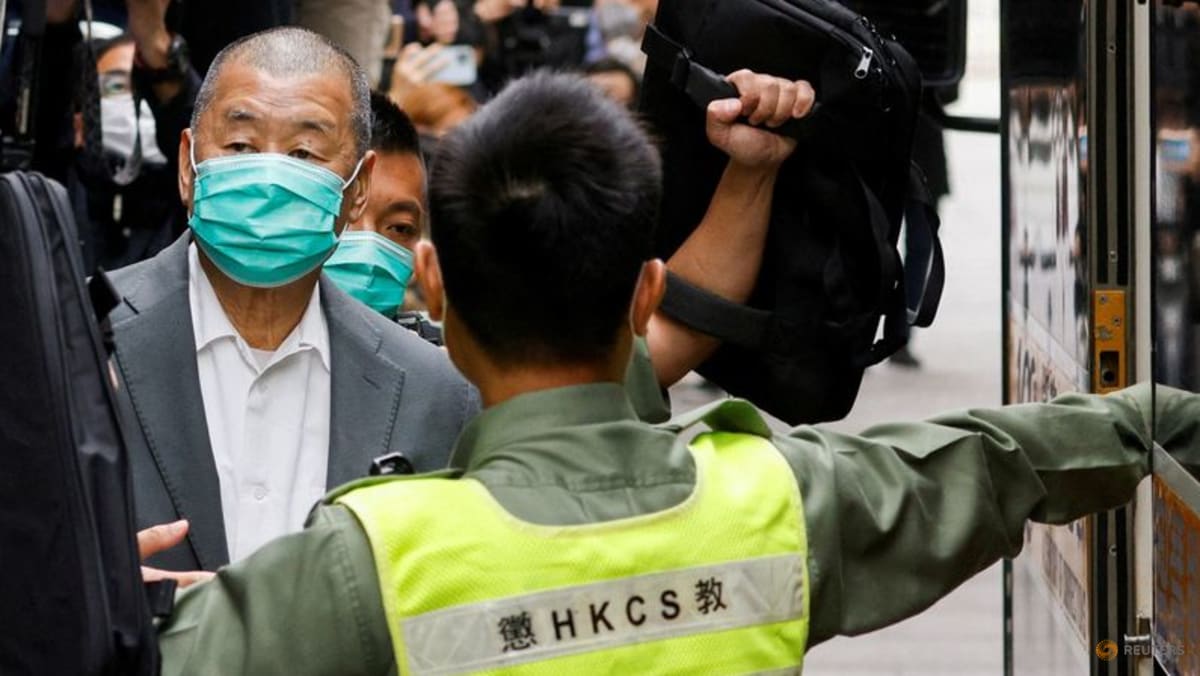
Hong Kong media tycoon Jimmy Lai has decided not to appeal his 20-year prison sentence, a move that underscores the challenges facing dissenting voices in the region. Lai's conviction has drawn international attention and raised concerns about the future of press freedom in Hong Kong.
Introduction
In a significant development for Hong Kong's media landscape, prominent tycoon Jimmy Lai has announced that he will not appeal his recent conviction, which resulted in a 20-year prison sentence. Lai, the founder of the pro-democracy newspaper Apple Daily, has been a vocal critic of the Chinese government and a symbol of resistance against the erosion of freedoms in Hong Kong.
Background on Jimmy Lai's Case
Jimmy Lai was convicted earlier this year on multiple charges, including conspiracy to collude with foreign forces under the controversial National Security Law imposed by Beijing in 2020. His trial was closely watched both locally and internationally, serving as a litmus test for the state of press freedom and judicial independence in Hong Kong.
Since the implementation of the National Security Law, numerous activists, journalists, and politicians have faced severe repercussions for their dissenting views. Lai's case has become emblematic of the broader crackdown on free speech and political expression in the city, raising alarms among human rights advocates and foreign governments.
Decision Not to Appeal
Lai's lawyer confirmed that the media mogul would not be pursuing an appeal against his conviction. This decision has profound implications, as it reflects a growing sense of resignation among activists regarding the legal system in Hong Kong. Many have expressed concerns that the judiciary has been compromised by political pressures, making a fair trial increasingly unlikely.
In a statement, Lai expressed his belief that the legal system in Hong Kong is no longer capable of delivering justice. "I have no confidence in the appeal process, and I refuse to be part of a system that is rigged against us," he stated. This sentiment resonates with many in the pro-democracy movement, who feel that the fight for freedom is becoming increasingly perilous.
International Reactions
The international community has reacted strongly to Lai's conviction and his decision not to appeal. Human rights organizations, including Amnesty International and Human Rights Watch, have condemned the ruling as politically motivated and a blatant attack on press freedom. They argue that Lai's case is just one of many examples of the systematic dismantling of civil liberties in Hong Kong.
In the United States, lawmakers have called for further sanctions against Chinese officials involved in the crackdown on dissent in Hong Kong. The U.S. State Department has also reiterated its commitment to supporting the people of Hong Kong in their struggle for democracy and human rights.
The Future of Press Freedom in Hong Kong
Lai's conviction and subsequent decision not to appeal raise critical questions about the future of press freedom in Hong Kong. With the closure of Apple Daily in June 2021 following police raids and the arrest of its staff, the media landscape has been dramatically altered. Many journalists have fled the city, fearing persecution, while those who remain face increasing restrictions on their reporting.
Experts warn that the chilling effect of Lai's case could deter other journalists and media outlets from covering sensitive topics, further stifling dissent in the region. The ongoing crackdown on free speech has led to a climate of fear among those who wish to express opposition to the government.
Conclusion
Jimmy Lai's decision not to appeal his 20-year sentence marks a pivotal moment in Hong Kong's ongoing struggle for democracy and freedom of expression. As the city grapples with the implications of the National Security Law, the international community watches closely, hoping for a resurgence of the values that once defined Hong Kong as a bastion of free speech in Asia.