Jimmy Lai Declines to Appeal 20-Year Sentence, Marking a Pivotal Moment in Hong Kong's Press Freedom
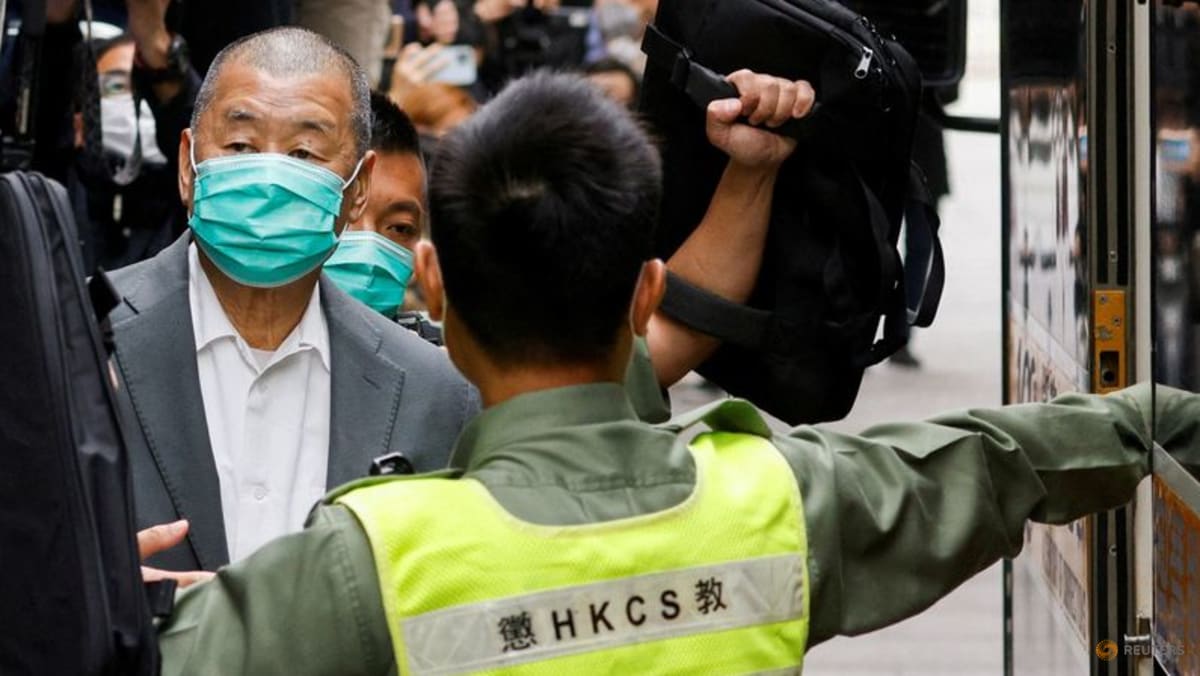
Hong Kong media tycoon Jimmy Lai has chosen not to appeal his 20-year prison sentence for national security violations, a decision that underscores the ongoing challenges faced by press freedom in the region. Lai's conviction has sparked widespread concern among journalists and activists regarding the future of independent media in Hong Kong.
Introduction
In a significant development for press freedom in Hong Kong, media tycoon Jimmy Lai has announced that he will not appeal his 20-year prison sentence. Lai, the founder of the pro-democracy newspaper Apple Daily, was convicted on multiple charges under Hong Kong's controversial national security law, prompting widespread condemnation from human rights advocates and media organizations worldwide.
Background on Jimmy Lai's Conviction
Jimmy Lai was sentenced earlier this year after being found guilty of colluding with foreign forces, a charge that has been criticized as vague and politically motivated. His conviction is part of a broader crackdown on dissent in Hong Kong, where authorities have increasingly targeted pro-democracy activists and independent media outlets since the implementation of the national security law in 2020.
Lai's Decision Not to Appeal
According to Lai's lawyer, the media mogul has decided against pursuing an appeal, a choice that raises questions about the efficacy of the legal system in Hong Kong. Lai's legal team had previously indicated that they would challenge the conviction, but the decision not to appeal suggests a grim outlook for the prospects of judicial recourse in politically charged cases.
The Implications for Press Freedom
Lai's case has become emblematic of the deteriorating state of press freedom in Hong Kong. The closure of Apple Daily in June 2021, following police raids and the arrest of its executives, marked a watershed moment in the city's media landscape. With Lai's conviction and the subsequent silencing of dissenting voices, many fear that the remaining independent media outlets may face similar fates.
International Reactions
The international community has reacted strongly to Lai's sentencing. Human rights organizations, including Amnesty International and Reporters Without Borders, have condemned the conviction as a blatant attack on freedom of expression. The United States and several European nations have also expressed their concerns, calling for the immediate release of all political prisoners in Hong Kong.
Future of Independent Media in Hong Kong
As Jimmy Lai's case unfolds, the future of independent media in Hong Kong remains uncertain. With many journalists operating under the threat of prosecution, the landscape of journalism in the city is rapidly changing. The chilling effect of Lai's conviction is likely to deter other journalists from pursuing investigative reporting or covering sensitive political issues.
Conclusion
Jimmy Lai's decision not to appeal his 20-year sentence marks a pivotal moment in the ongoing struggle for press freedom in Hong Kong. As the city grapples with the implications of the national security law, the fate of independent journalism hangs in the balance, raising urgent questions about the future of democracy and free expression in the region.