Jimmy Lai Decides Not to Appeal National Security Conviction
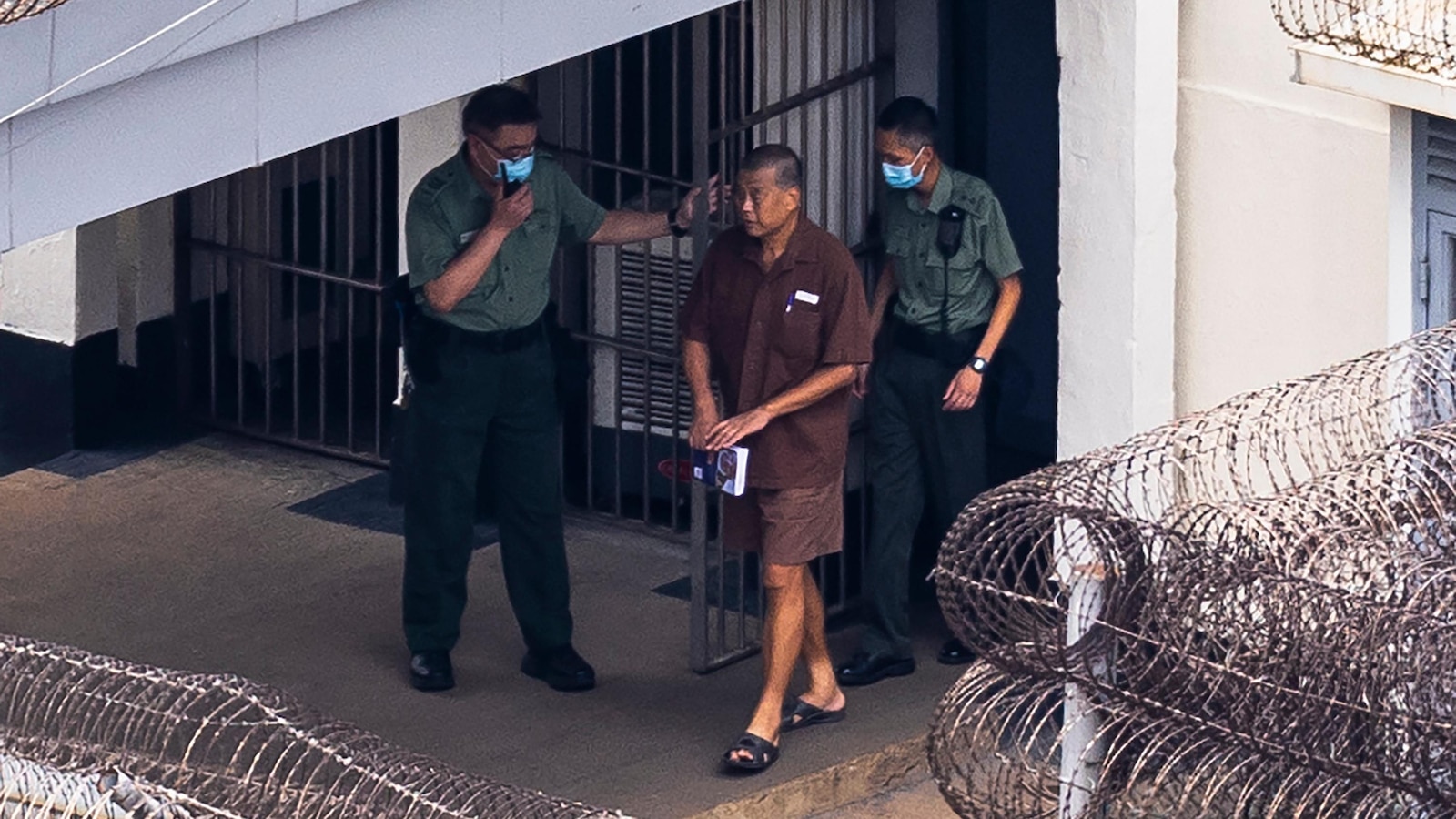
Hong Kong's ex-media mogul Jimmy Lai will not appeal his national security conviction, according to his legal team. This decision marks a significant moment in the ongoing political and legal landscape of Hong Kong.
Background on Jimmy Lai's Case
Jimmy Lai, the founder of the now-defunct Apple Daily newspaper and a prominent figure in Hong Kong's pro-democracy movement, has made headlines once again. His legal team announced that he will not be appealing his conviction under the controversial national security law imposed by Beijing. Lai was sentenced to a substantial prison term, which has drawn international attention and criticism regarding the erosion of freedoms in Hong Kong.
Details of the Conviction
In December 2022, Lai was convicted of collusion with foreign forces, a charge stemming from his outspoken criticism of the Chinese government and his support for pro-democracy protests. The national security law, enacted in June 2020, has been widely criticized for its vague definitions and broad scope, allowing authorities to crack down on dissenting voices. Lai's conviction was seen as a pivotal moment in the crackdown on media freedom and political dissent in Hong Kong.
Reasons Behind the Decision
According to his legal team, the decision not to appeal was influenced by several factors, including the current political climate in Hong Kong and the perceived futility of seeking justice through a system that many believe is rigged against dissenters. Lai's lawyers stated that the appeal process would likely not yield a favorable outcome, given the judicial environment under the national security law.
Reactions from the Public and Activists
The announcement has sparked a wave of reactions from both supporters and critics of Lai. Pro-democracy activists expressed disappointment, viewing the decision as a reflection of the harsh realities facing political prisoners in Hong Kong. Many fear that Lai's case symbolizes a broader trend of silencing dissent and curtailing freedoms in the city.
On the other hand, pro-Beijing supporters have hailed the conviction as a necessary step to restore stability in Hong Kong. They argue that Lai's activities were detrimental to national security and that the legal actions taken against him are justified.
International Implications
The international community has closely monitored Lai's case, with various human rights organizations condemning the actions of the Hong Kong government and calling for his release. The United States and other Western nations have criticized the national security law as a tool for oppression, urging China to respect the rights and freedoms guaranteed under the Sino-British Joint Declaration.
Lai's decision not to appeal may further complicate relations between China and the West, as it highlights the increasing tensions over human rights issues in Hong Kong. Analysts suggest that this case could serve as a litmus test for the international community's response to China's growing authoritarianism.
The Future of Media Freedom in Hong Kong
With Lai's conviction and the subsequent decision not to appeal, the future of media freedom in Hong Kong remains uncertain. Many journalists and media outlets have faced increasing pressure to self-censor or shut down entirely in the wake of the national security law. The closure of Apple Daily in June 2021 was a significant blow to press freedom, and Lai's case serves as a stark reminder of the challenges that remain.
As the situation continues to evolve, observers will be watching closely to see how the legal landscape in Hong Kong develops and what it means for the future of democracy and freedom of expression in the region.