Jimmy Lai: A Beacon of Hope for Democracy in Hong Kong
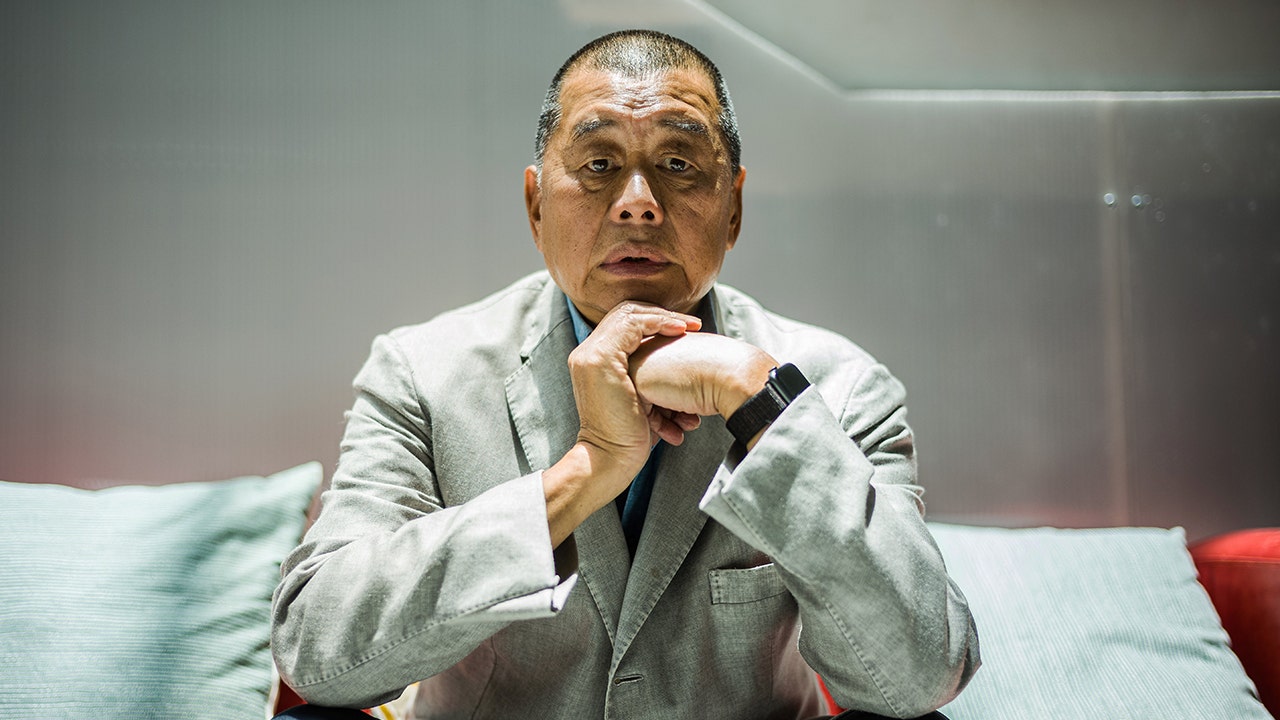
Jimmy Lai, the founder of Next Digital, has emerged as a symbol of the pro-democracy movement in Hong Kong, risking his freedom for the cause. His ongoing legal battles highlight the increasing suppression of dissent under China's tightening grip on the region.
Introduction
In a world where the fight for democracy often seems overshadowed by authoritarian regimes, Jimmy Lai stands out as a beacon of hope for many in Hong Kong. The founder of Next Digital, which publishes the now-defunct Apple Daily, Lai has become a symbol of resistance against the encroaching influence of the Chinese government in the region. His ongoing legal battles and unwavering commitment to democracy have drawn international attention, raising critical questions about the future of freedom in Hong Kong.
The Rise of Jimmy Lai
Born in 1947 in Guangdong, China, Lai immigrated to Hong Kong in the 1960s, where he eventually founded a successful fashion business. However, it was his foray into journalism that would catapult him into the international spotlight. In 1990, he launched Apple Daily, a tabloid known for its outspoken criticism of the Chinese Communist Party (CCP) and its support for democratic values. Under Lai's leadership, the publication became a voice for the voiceless, championing the rights of Hong Kong citizens and advocating for political reform.
Legal Troubles and Imprisonment
In recent years, Lai's commitment to democracy has come at a significant personal cost. Following the implementation of the National Security Law in Hong Kong in 2020, which criminalizes acts of secession, subversion, and collusion with foreign forces, Lai was arrested and charged with multiple offenses. His imprisonment has sparked outrage among pro-democracy advocates and human rights organizations worldwide, who view his detention as a blatant attempt by the Chinese government to silence dissent.
The Global Response
Lai's situation has not gone unnoticed on the international stage. Governments and organizations across the globe have condemned his arrest and called for his release. U.S. Secretary of State Antony Blinken has described Lai as a