Japan's Diet Members and Citizens Rally Against PM's Erroneous Remarks on Taiwan
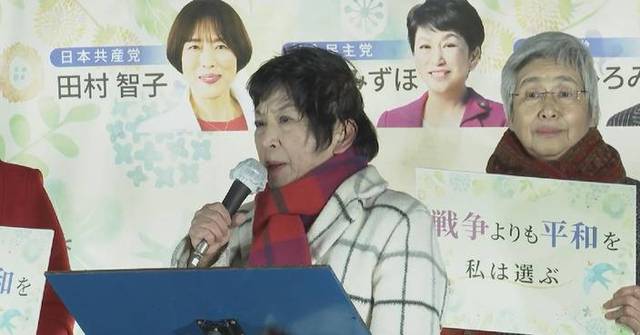
Japan's Prime Minister faced backlash after making controversial statements regarding Taiwan's status, prompting a significant response from both lawmakers and citizens. The incident highlights the delicate balance of Japan's foreign policy amid rising tensions in the Asia-Pacific region.
Introduction
In a significant political uproar, Japan's Prime Minister has come under fire for making erroneous remarks regarding Taiwan, sparking protests and a rallying cry from members of the Diet and citizens alike. The Prime Minister's comments, which many interpreted as a misrepresentation of Japan's stance on Taiwan, have reignited discussions about the nation's foreign policy and its implications in the increasingly volatile Asia-Pacific region.
Background of the Controversy
The remarks were made during a recent press conference where the Prime Minister discussed Japan's relationship with China and Taiwan. His statement suggested that Japan views Taiwan as a part of China, a position that contradicts Japan's historical stance and its commitment to democratic values. This misstep has raised alarm among political leaders and citizens who are concerned about Japan's diplomatic integrity and its obligations to support Taiwan amid rising tensions with China.
Political Reactions
Members of Japan's Diet quickly expressed their discontent, with several lawmakers from both the ruling and opposition parties condemning the Prime Minister's comments. They argue that such statements undermine Japan's longstanding commitment to democracy and human rights in the region. Notably, the opposition party leader called for an immediate clarification from the Prime Minister, emphasizing that Japan must stand firmly with Taiwan in the face of increasing Chinese aggression.
Citizen Mobilization
In response to the Prime Minister's remarks, citizens took to the streets in various cities across Japan, rallying in support of Taiwan and demanding a clear and supportive stance from their government. Demonstrators waved banners reading “Stand with Taiwan” and “Democracy for All,” reflecting widespread public sentiment that Japan should not shy away from supporting its democratic neighbors. The protests, which drew hundreds of participants, showcased a growing awareness and concern among the Japanese public regarding regional security issues.
Implications for Japan's Foreign Policy
This incident raises critical questions about Japan's foreign policy direction, particularly in relation to China. As tensions continue to escalate in the Taiwan Strait, Japan's role as a regional stabilizer is increasingly scrutinized. Analysts suggest that the Prime Minister's comments may have inadvertently weakened Japan's position in diplomatic negotiations with both China and Taiwan. Furthermore, the backlash from lawmakers and citizens could compel the government to reevaluate its approach to Taiwan and its broader strategy in the Asia-Pacific.
International Context
The situation is further complicated by the international community's response to China's assertiveness in the region. The United States, a key ally of Japan, has reiterated its commitment to Taiwan's defense, which places additional pressure on Japan to align its policies accordingly. As the U.S. continues to navigate its own complex relationship with China, Japan's response to the Prime Minister's comments will be closely monitored by global observers.
Conclusion
The backlash against the Prime Minister's remarks underscores the importance of clear and consistent communication in foreign policy, particularly in a region as sensitive as East Asia. As Japan grapples with its identity and role on the international stage, the voices of both lawmakers and citizens will play a crucial role in shaping the nation's future stance on Taiwan and its relationship with China. Moving forward, it will be essential for the Japanese government to reaffirm its commitment to democratic values and regional stability.