Iran War Sparks Surge in Electric Vehicle Purchases Worldwide
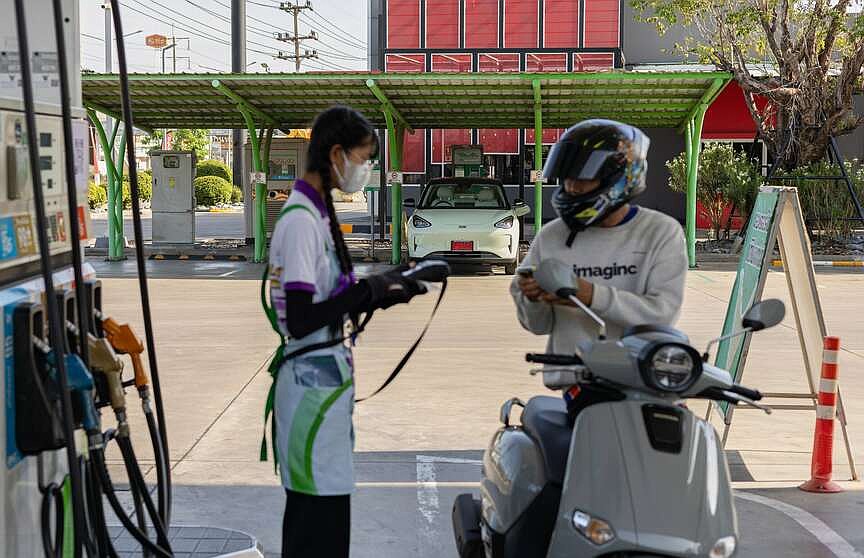
The ongoing conflict in Iran has led to a significant increase in electric vehicle (EV) purchases globally. Consumers are increasingly turning to EVs as a sustainable alternative amid rising fuel prices and geopolitical tensions.
Introduction
The ongoing conflict in Iran has triggered a remarkable shift in consumer behavior, particularly in the automotive sector. As tensions escalate and fuel prices soar, electric vehicles (EVs) have emerged as a popular choice among consumers worldwide. This report explores the factors driving this surge in EV purchases and the implications for the automotive market.
The Impact of the Iran War
Since the onset of the Iran war, global fuel prices have seen a dramatic increase, prompting consumers to seek alternatives to traditional gasoline-powered vehicles. The war has disrupted oil supplies and heightened concerns over energy security, leading many to consider electric vehicles as a viable solution. According to a recent report by Arkansas Online, the demand for EVs has skyrocketed in various regions, with manufacturers struggling to keep up with the influx of orders.
Consumer Shifts Towards Sustainability
In addition to economic factors, there is a growing awareness of environmental issues among consumers. The war has intensified discussions around sustainability and the need for cleaner energy sources. Many individuals are now prioritizing eco-friendly options, and electric vehicles fit this criterion perfectly. With advancements in battery technology and charging infrastructure, EVs are becoming more accessible and practical for everyday use.
Government Incentives and Policies
Governments around the world are also playing a crucial role in promoting electric vehicles. Many countries have implemented incentives such as tax credits, rebates, and subsidies to encourage consumers to make the switch from gasoline to electric. In light of the current geopolitical climate, these policies are expected to gain further momentum, making EVs an even more attractive option for consumers.
Market Response from Automakers
In response to the rising demand for electric vehicles, automakers are ramping up production and expanding their EV offerings. Major manufacturers are investing heavily in research and development to enhance battery efficiency and vehicle performance. Companies like Tesla, Ford, and General Motors are leading the charge, unveiling new models that cater to the growing appetite for electric mobility.
Challenges Ahead
Despite the positive trends, challenges remain in the transition to electric vehicles. Supply chain disruptions, particularly in the sourcing of critical materials like lithium and cobalt, pose significant hurdles for manufacturers. Additionally, the infrastructure for charging stations is still underdeveloped in many regions, which could hinder the widespread adoption of EVs.
The Future of Electric Vehicles
Looking ahead, the surge in electric vehicle purchases amid the Iran war signals a potential shift in the automotive landscape. As consumers become more conscious of their choices and governments continue to support the transition to sustainable energy, the electric vehicle market is poised for significant growth. Industry experts predict that EVs could account for a substantial portion of global vehicle sales in the coming years, reshaping the future of transportation.
Conclusion
The ongoing conflict in Iran has catalyzed a global movement towards electric vehicles, driven by a combination of economic necessity and environmental awareness. As consumers increasingly prioritize sustainability and governments support the transition, the electric vehicle market is set to thrive, marking a pivotal moment in the fight against climate change and energy dependency.