Iran Peace Talk Optimism Drives Dollar Down for Second Consecutive Week
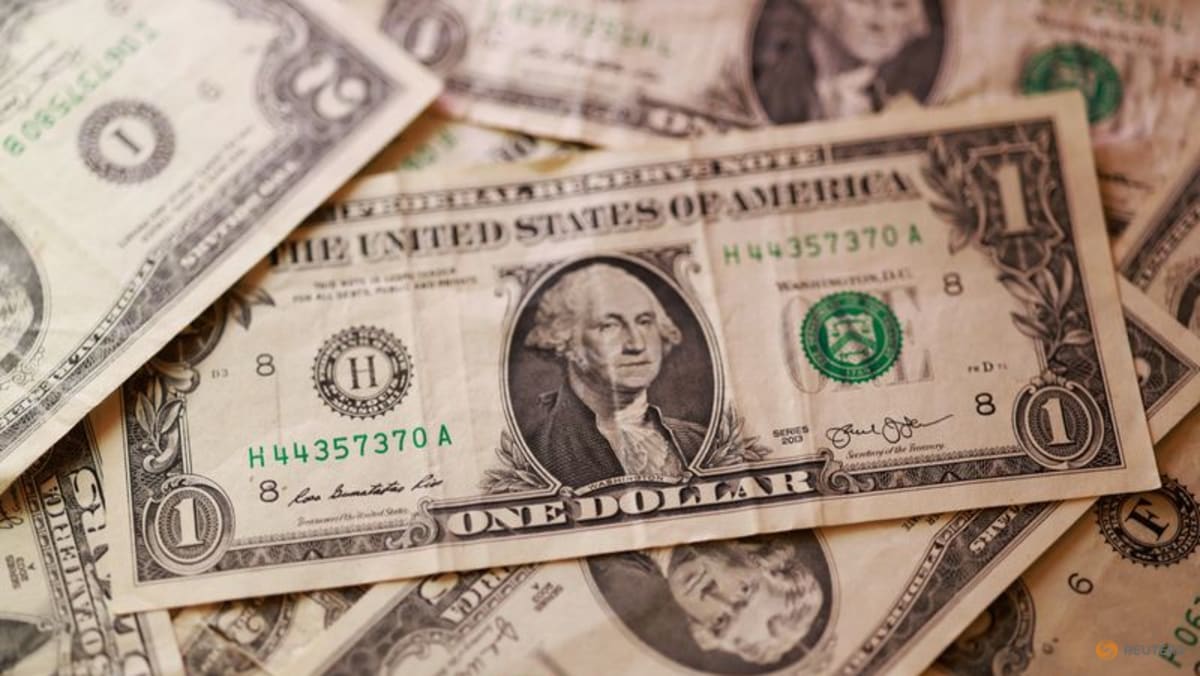
Optimism surrounding peace talks in Iran has led to a notable decrease in the value of the U.S. dollar for the second week in a row. Analysts suggest that the potential for diplomatic resolutions could reshape economic landscapes in the region.
Iran Peace Talk Optimism Drives Dollar Down for Second Consecutive Week
In a significant development in international finance, the U.S. dollar has experienced a decline for the second straight week, largely attributed to rising optimism surrounding peace talks in Iran. As diplomatic efforts gain momentum, market analysts are closely monitoring the implications for both regional stability and global economic conditions.
The ongoing negotiations, which aim to address long-standing tensions and conflicts in the region, have sparked a wave of optimism among investors. This sentiment has been reflected in the currency markets, where the dollar has faced downward pressure as traders adjust their positions in anticipation of potential changes in geopolitical dynamics.
Market Reactions and Economic Implications
The U.S. dollar index, which measures the currency against a basket of major currencies, saw a notable dip as news of the peace talks circulated. Analysts suggest that a successful resolution could lead to a more stable Middle East, potentially opening up new avenues for trade and investment. Such developments are likely to influence the dollar's strength, particularly against currencies from countries that are direct stakeholders in the negotiations.
“The market is reacting to the possibility of a more stable Iran, which could mean less geopolitical risk in the region,” said financial analyst Sarah Chen. “If peace talks succeed, we could see a shift in trade patterns and investment flows, which would further impact the dollar's value.”
Geopolitical Context
The backdrop to these discussions is a complex web of historical tensions involving Iran, its neighbors, and Western nations. The potential for a diplomatic breakthrough has been viewed as a critical step towards reducing hostilities and fostering economic cooperation. Analysts have noted that any progress in the talks could lead to a lifting of sanctions that have long hampered Iran's economy.
As peace talks continue, many are hopeful that a resolution could not only stabilize the region but also enhance global economic prospects. The implications extend beyond currency markets, with potential effects on oil prices, trade agreements, and international relations.
Investor Sentiment and Future Outlook
Investor sentiment has been cautiously optimistic, with many market participants weighing the potential benefits of a peaceful resolution against the risks of ongoing tensions. The volatility in the dollar reflects this uncertainty, as traders remain vigilant for any signs of progress or setbacks in the negotiations.
“We are in a wait-and-see mode,” remarked economist David Kim. “While the optimism is encouraging, the situation remains fluid. Any misstep could quickly reverse the gains we’ve seen in the markets.”
Conclusion
As the world watches the developments in Iran, the impact on the U.S. dollar and global markets will likely continue to evolve. The current optimism surrounding peace talks presents both opportunities and challenges for investors, highlighting the intricate connections between geopolitics and economic performance. With the potential for significant shifts in the region, stakeholders are keenly aware that the outcome of these discussions could reshape economic landscapes for years to come.