Iran Conflict Complicates Trump's Upcoming China Visit
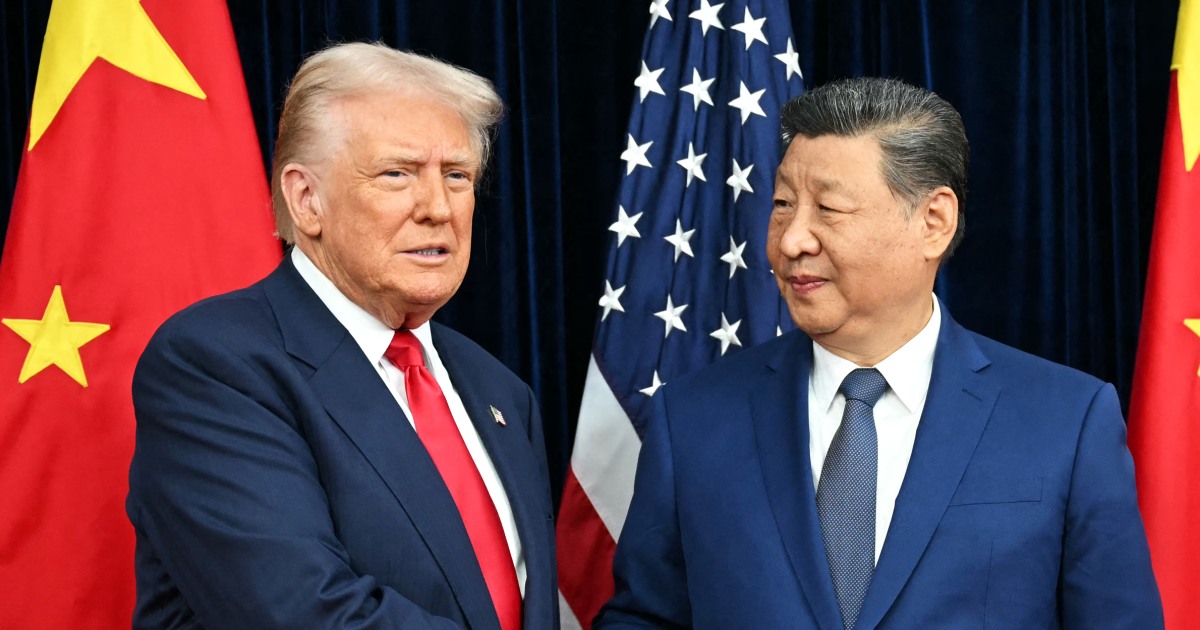
The ongoing conflict in Iran has cast uncertainty over President Trump's planned trip to China, as the geopolitical landscape shifts. Despite the turmoil, Beijing appears unperturbed and ready to engage on its terms.
Introduction
The escalating conflict in Iran has thrown President Donald Trump's upcoming trip to China into a state of uncertainty. As tensions rise in the Middle East, the implications for U.S.-China relations are becoming increasingly complex, with both nations navigating a precarious geopolitical landscape.
Background on the Iran Conflict
The recent military actions in Iran have sparked widespread concern among global leaders, with potential ramifications reaching far beyond the Middle East. The situation has drawn the attention of the international community, prompting discussions on how it may affect existing alliances and trade relationships.
Trump's Planned Visit to China
President Trump was scheduled to visit China in the coming weeks, a trip that was anticipated to focus on trade negotiations and the ongoing tensions regarding tariffs. However, the sudden escalation of violence in Iran has raised questions about whether the trip will proceed as planned. Analysts suggest that the U.S. administration may need to reassess its priorities in light of the new developments.
Beijing's Response
Despite the uncertainty surrounding Trump's visit, Chinese officials have indicated that they are willing to wait for the U.S. to stabilize its foreign policy. Beijing has been preparing for the trip and is keen to engage in discussions that could lead to a resolution of trade disputes. Chinese analysts believe that the Iran conflict may provide an opportunity for China to strengthen its position on the global stage, particularly as it seeks to assert its influence in international affairs.
Geopolitical Implications
The Iran conflict is not just a regional issue; it has significant implications for global politics. The U.S. has historically been a key player in Middle Eastern affairs, and its response to the current situation could redefine its relationships with both allies and adversaries. For China, the chaos in Iran presents a chance to expand its influence, particularly in energy markets and diplomatic negotiations.
Trade and Economic Concerns
As the U.S. grapples with the fallout from the Iran conflict, economic concerns are at the forefront of discussions. Trump’s administration has been focused on reducing trade deficits and securing favorable terms for American businesses. However, the uncertainty surrounding the Iran situation could complicate these efforts, especially if oil prices surge or if sanctions against Iran are intensified.
Potential Outcomes
Looking ahead, the outcome of the Iran conflict will likely influence the trajectory of U.S.-China relations. If Trump decides to proceed with his trip, it may signal a commitment to maintaining diplomatic channels, even amid global turmoil. Conversely, if the trip is canceled or postponed, it could indicate a shift in focus towards addressing immediate security concerns over long-term economic negotiations.
Conclusion
The Iran conflict has introduced a layer of complexity to President Trump's upcoming visit to China, with potential repercussions for international relations and global trade. As both nations navigate this turbulent landscape, the world watches closely to see how these developments will unfold and what they will mean for the future of U.S.-China ties.