International Team Unveils Mechanisms Behind Aurora Phenomena
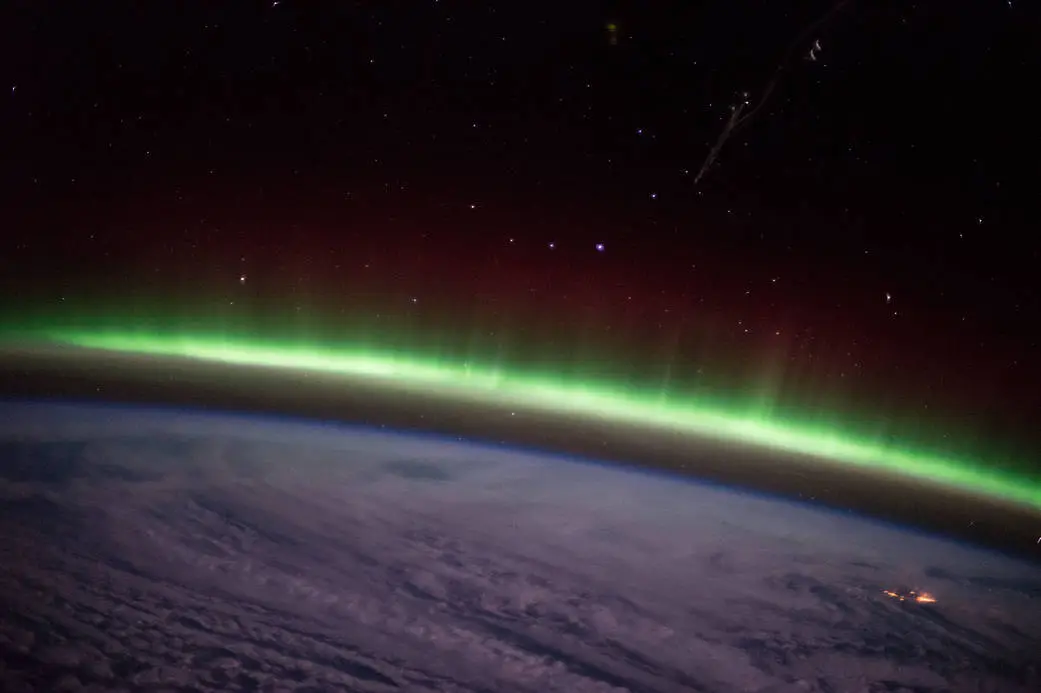
A collaborative international research team has made significant strides in understanding the mechanisms that power auroras. Their findings shed light on the complex interactions between solar winds and Earth's magnetic field, enhancing our comprehension of these stunning natural displays.
Introduction
A remarkable breakthrough in the study of auroras has been achieved by an international team of scientists, who have uncovered the intricate processes that drive these mesmerizing natural phenomena. Auroras, commonly referred to as the Northern and Southern Lights, have captivated humanity for centuries with their vibrant colors and ethereal beauty. However, the underlying mechanisms that generate these stunning displays have remained somewhat elusive—until now.
The Research Team
The research, which was conducted by a collaborative team of astrophysicists and geophysicists from various institutions around the world, aimed to deepen our understanding of the interactions between solar winds and Earth's magnetic field. This multidisciplinary approach has brought together experts from different fields, highlighting the importance of collaboration in addressing complex scientific questions.
Understanding Solar Winds
Solar winds, streams of charged particles emitted by the sun, play a crucial role in the formation of auroras. When these particles collide with the gases in Earth's atmosphere, they excite the atoms, resulting in the beautiful light displays that we associate with auroras. The recent study has revealed that it is not just the solar winds themselves that are responsible for these phenomena, but rather the intricate interactions between these particles and the Earth's magnetic field.
Key Findings
One of the significant findings of the study is the identification of a specific mechanism known as magnetic reconnection. This process occurs when the magnetic field lines of the solar wind interact with those of Earth, allowing energy to be released and transferred into the atmosphere. This energy transfer is what ultimately leads to the stunning visual displays of the auroras.
Moreover, the research team utilized advanced satellite technology to gather data on the behavior of solar winds and their interactions with Earth's magnetic field. By analyzing this data, the scientists were able to create models that accurately depict how these interactions occur, providing a clearer picture of the processes at play.
Implications of the Research
The implications of this research extend beyond mere academic curiosity. Understanding the mechanisms behind auroras can have practical applications, particularly in the field of space weather forecasting. As solar activity can impact satellite communications and power grids on Earth, having a better understanding of these interactions can help mitigate potential disruptions caused by solar storms.
Additionally, this research contributes to our broader understanding of astrophysical phenomena and the dynamics of our solar system. By studying auroras, scientists can gain insights into the behavior of other celestial bodies and their atmospheres, further enriching our knowledge of the universe.
Conclusion
The recent discoveries made by this international team mark a significant advancement in the field of auroral research. By unveiling the mechanisms that power these stunning natural displays, scientists have not only satisfied a long-standing curiosity but have also laid the groundwork for future studies in space weather and astrophysics. As we continue to explore the mysteries of our universe, the beauty of auroras serves as a reminder of the intricate and awe-inspiring processes that govern our planet and beyond.