International Team Uncovers What Powers Auroras
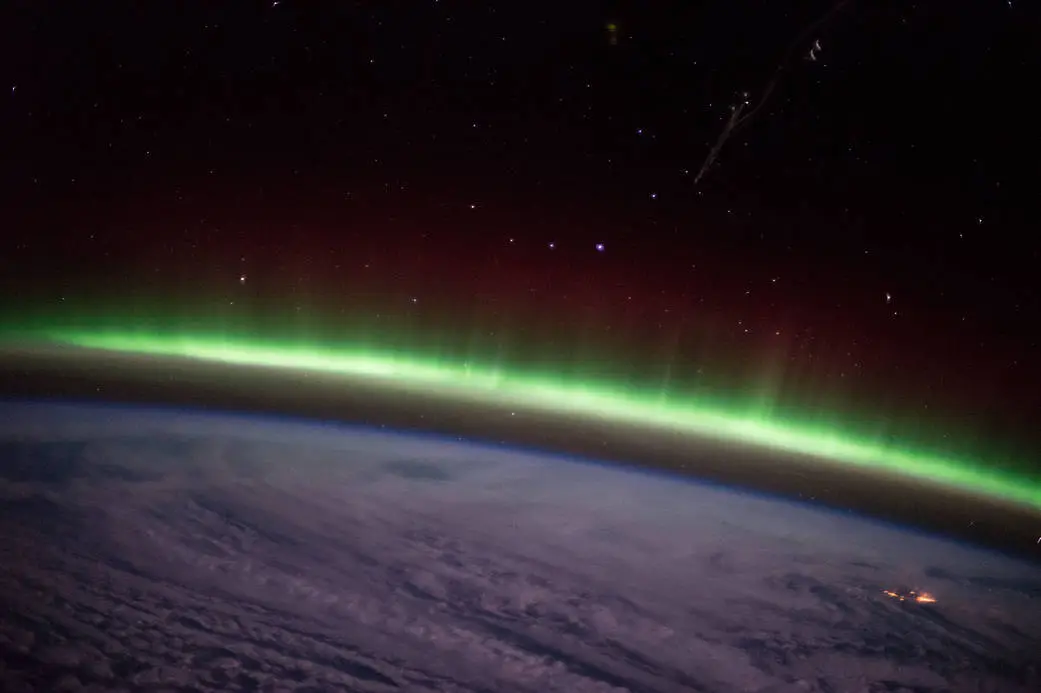
A groundbreaking study reveals the intricate mechanisms behind the stunning natural phenomenon of auroras. This international collaboration sheds light on the processes that create these mesmerizing lights in the polar skies.
Understanding Auroras: A Global Scientific Endeavor
A recent study led by an international team of scientists has unveiled the complex processes that power the breathtaking natural light displays known as auroras. These stunning phenomena, often seen in polar regions, have captivated humanity for centuries, but their underlying mechanisms have remained somewhat elusive. The research, published in a prominent scientific journal, combines data from various sources and employs advanced modeling techniques to provide new insights into the dynamics of auroras.
The Science Behind the Spectacle
Auroras, commonly referred to as the Northern and Southern Lights, occur when charged particles from the sun collide with atoms in Earth's atmosphere. This interaction produces light in various colors, predominantly greens and reds, creating the spectacular displays that many have witnessed. However, the specifics of how these interactions occur and the factors influencing their intensity and color have been less understood until now.
Collaboration Across Borders
The study was a collaborative effort involving researchers from multiple countries, including the United States, Canada, Norway, and Japan. By pooling their expertise and resources, the team was able to analyze data from ground-based observations, satellite measurements, and computer simulations. This comprehensive approach allowed them to develop a clearer picture of the processes that lead to auroras.
Key Findings of the Study
One of the significant findings of the research is the role of the solar wind in shaping auroras. The solar wind, a stream of charged particles emitted by the sun, interacts with Earth's magnetic field, creating disturbances that can lead to enhanced auroral activity. The team discovered that during periods of heightened solar activity, such as solar flares or coronal mass ejections, the intensity of auroras can increase dramatically.
Additionally, the study highlighted the importance of atmospheric conditions in determining the colors and patterns of auroras. Factors such as the altitude at which the collisions occur and the types of gases present in the atmosphere play a crucial role in the resulting light displays. For instance, oxygen at higher altitudes can produce red auroras, while nitrogen can lead to blues and purples.
Implications for Future Research
The insights gained from this study have significant implications for future research in both atmospheric science and space weather. Understanding the mechanisms behind auroras can help scientists predict when and where these events are likely to occur, which is essential for various applications, including satellite communications and navigation systems that can be affected by solar activity.
Moreover, the study emphasizes the need for continued international collaboration in scientific research. As the challenges posed by climate change and space weather become increasingly complex, pooling resources and knowledge across borders will be vital in addressing these issues effectively.
A Lasting Wonder
As we continue to unravel the mysteries of auroras, this research serves as a reminder of the beauty and complexity of our natural world. The stunning light displays not only inspire awe but also provide valuable insights into the interactions between our planet and the cosmos. With ongoing advancements in technology and international cooperation, the future of auroral research looks promising, paving the way for deeper understanding and appreciation of this captivating phenomenon.