Innovative Radiative-Cooling Ceramic Tile Developed by City University of Hong Kong
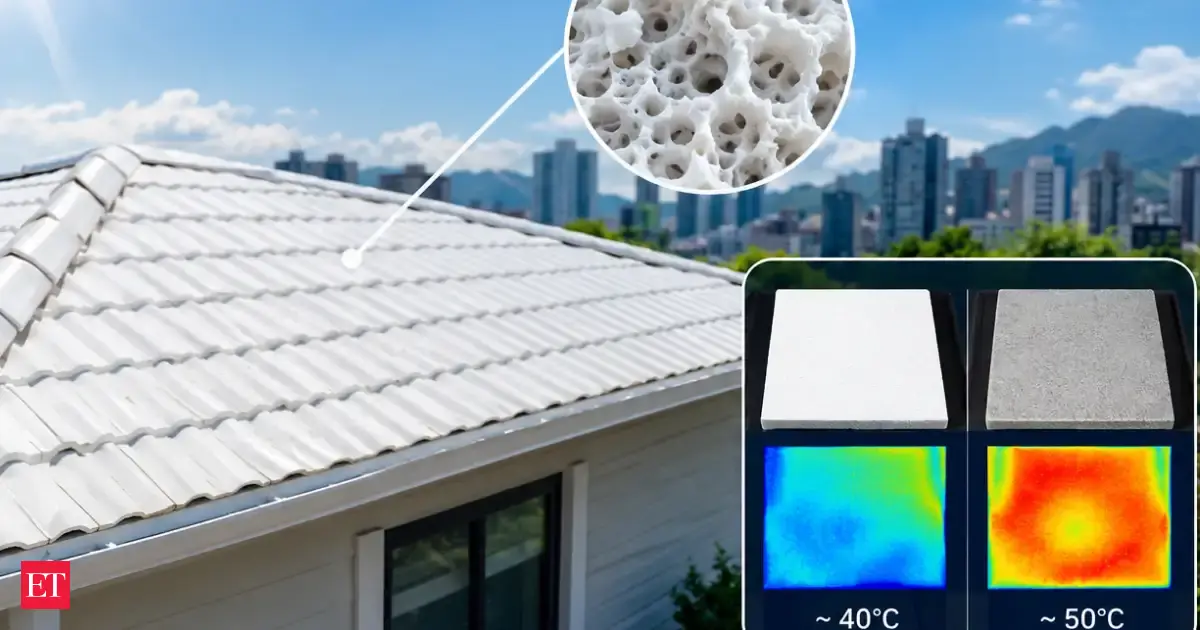
City University of Hong Kong has unveiled a groundbreaking ceramic tile that reflects 99.6% of sunlight, significantly reducing surface temperatures. Field tests show that these tiles can be up to 5°C cooler than traditional tiles, promising to enhance urban heat management.
Introduction to Radiative-Cooling Technology
In a remarkable advancement for urban sustainability, researchers at the City University of Hong Kong (CityU) have developed a revolutionary ceramic tile designed to combat the urban heat island effect. This innovative tile boasts an impressive ability to reflect 99.6% of sunlight, making it a game-changer for cities grappling with rising temperatures and climate change.
The Science Behind the Tiles
The newly engineered ceramic tile utilizes advanced radiative-cooling technology, which allows it to dissipate heat effectively. By reflecting the majority of incoming solar radiation, these tiles can maintain a lower surface temperature compared to standard roofing materials. In field tests conducted in various urban environments, the tiles consistently registered temperatures approximately 5°C cooler than conventional tiles, showcasing their potential to mitigate heat accumulation in densely populated areas.
Field Testing and Results
The real-world application of these tiles has been met with enthusiasm, as the field tests have demonstrated their effectiveness in reducing heat absorption. The researchers placed the tiles in various locations across Hong Kong, where they were subjected to intense sunlight and high ambient temperatures. The results were promising, indicating that the tiles not only perform well under extreme conditions but also contribute to a cooler urban environment.
Potential Benefits for Urban Areas
The implications of this innovation extend beyond mere temperature reduction. By integrating these radiative-cooling tiles into urban infrastructure, cities can significantly decrease their reliance on air conditioning systems, which are major contributors to energy consumption and greenhouse gas emissions. This could lead to lower energy bills for residents and businesses alike, while also promoting a more sustainable urban lifestyle.
Addressing Climate Change
As cities around the world face the challenges posed by climate change, the introduction of such technologies is timely. The urban heat island effect, which causes cities to be significantly warmer than their rural counterparts, exacerbates heat-related health issues and increases energy demand. By adopting radiative-cooling tiles, urban planners and policymakers in Hong Kong and beyond can take meaningful steps toward creating more resilient and livable cities.
Future Prospects
Looking ahead, the researchers at CityU are optimistic about the broader applications of their radiative-cooling technology. They envision a future where these tiles can be used not only in roofing but also in pavements and other urban surfaces. As cities strive for sustainability, the potential for widespread adoption of such innovative materials could play a crucial role in shaping eco-friendly urban landscapes.
Conclusion
The development of radiative-cooling ceramic tiles by City University of Hong Kong represents a significant leap forward in the pursuit of sustainable urban living. As cities continue to grapple with the effects of climate change, innovations like these offer hope for a cooler, more sustainable future. With their ability to reflect sunlight and reduce surface temperatures, these tiles could soon become a staple in urban construction, paving the way for a greener tomorrow.