Indian Shuttlers Voice Frustration Over Line Call Blunders at 2026 Tournament
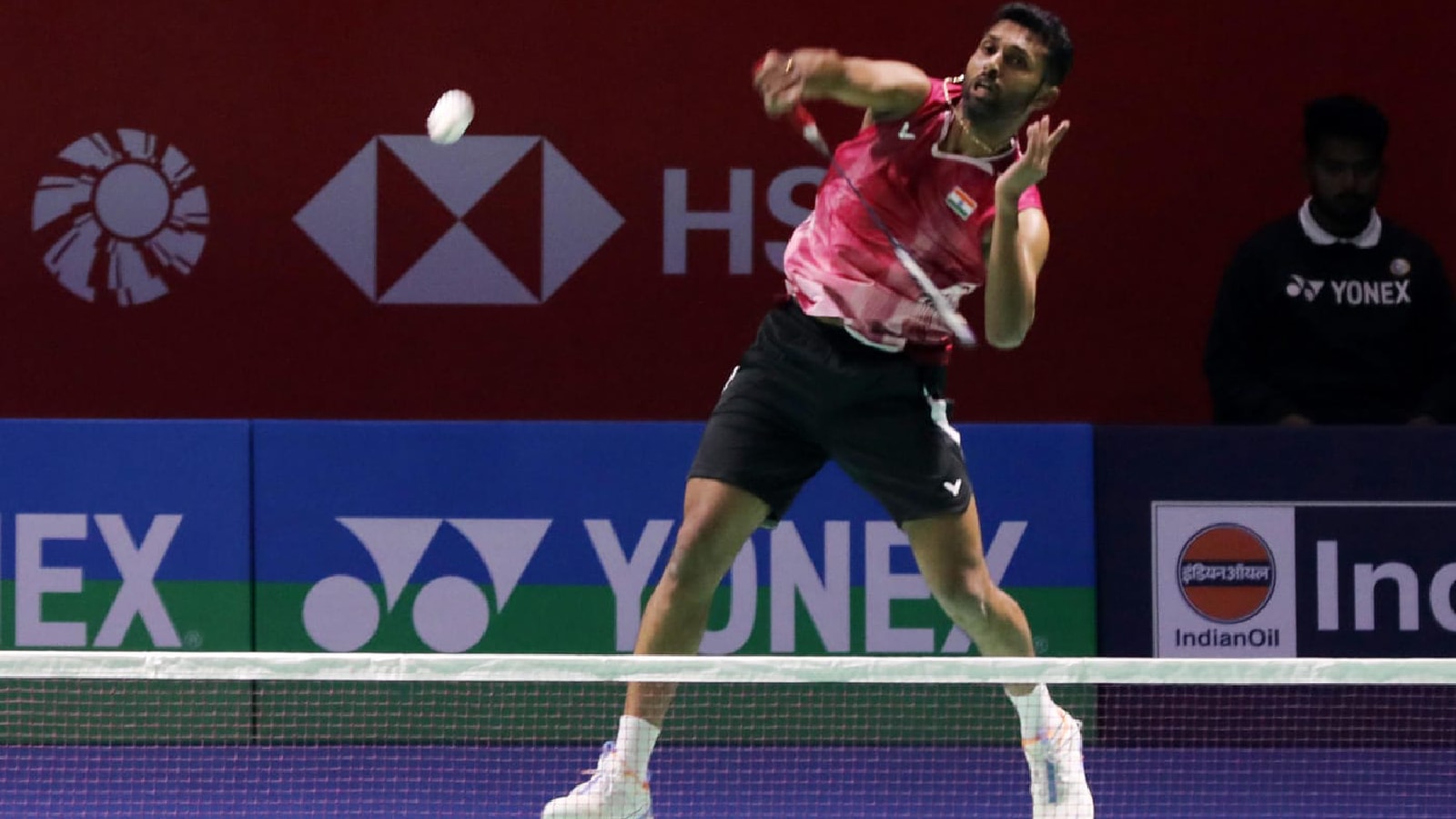
Indian badminton players express their discontent over the lack of technology in officiating during a recent tournament in China. The absence of Hawkeye on Court 2 has led to significant line call errors, impacting match outcomes.
Indian Shuttlers Voice Frustration Over Line Call Blunders at 2026 Tournament
In a striking display of frustration, Indian badminton players have raised concerns over the officiating standards at a recent tournament held in China. The absence of advanced technology, specifically the Hawkeye system, on Court 2 has led to a series of contentious line calls that have significantly impacted the matches and overall player experience.
Prannoy, one of India’s top shuttlers, articulated his disbelief at the situation, stating, ‘It’s 2026, and I can’t believe Court 2 has no Hawkeye.’ His comments reflect a growing sentiment among players regarding the necessity of modern technology in sports to ensure fair play and accurate officiating.
Technology in Sports: A Necessity or a Luxury?
The debate over the use of technology in sports has intensified in recent years, with many arguing that it is essential for maintaining the integrity of the game. In badminton, where split-second decisions can alter the outcome of a match, the absence of reliable technology can lead to unfair advantages and significant player frustration.
Prannoy’s remarks come in the wake of several critical line call errors that not only affected individual matches but also the overall morale of the Indian contingent. Players have expressed their concerns that such blunders can derail their performance and affect their rankings, which are crucial for their careers.
Impact on Player Performance
During the tournament, several Indian players faced contentious calls that led to heated discussions on the court. The lack of a review system meant that players had to accept the referee’s decision without any recourse, leading to feelings of helplessness and frustration. This situation was particularly evident during crucial matches, where every point counts and the pressure is at its peak.
‘When you know there’s a chance of a wrong call, it adds to the pressure,’ said another Indian player, who preferred to remain anonymous. ‘We train hard, and to have our efforts undermined by a simple mistake is disheartening.’
Calls for Change
In light of these incidents, players and officials are calling for a reevaluation of the technology used in badminton tournaments, especially in major competitions. The Indian badminton community is advocating for the implementation of the Hawkeye system across all courts, not just the main ones, to ensure that players have access to the same level of fairness regardless of where they are competing.
‘We need to push for better standards,’ Prannoy emphasized. ‘It’s not just about us; it’s about the future of the sport. If we want badminton to grow, we need to embrace technology and ensure that all players are treated equally.’
Conclusion
The ongoing discussions surrounding the use of technology in badminton officiating highlight a broader issue within sports today. As athletes strive for excellence, the systems that govern their competitions must evolve to meet the demands of fairness and accuracy. The Indian players’ frustrations may serve as a catalyst for change, pushing for the adoption of technology that can enhance the integrity of the game and protect the interests of all competitors.