Inaugural Global Education Summit Explores AI, Future Talent and Changing Pathways
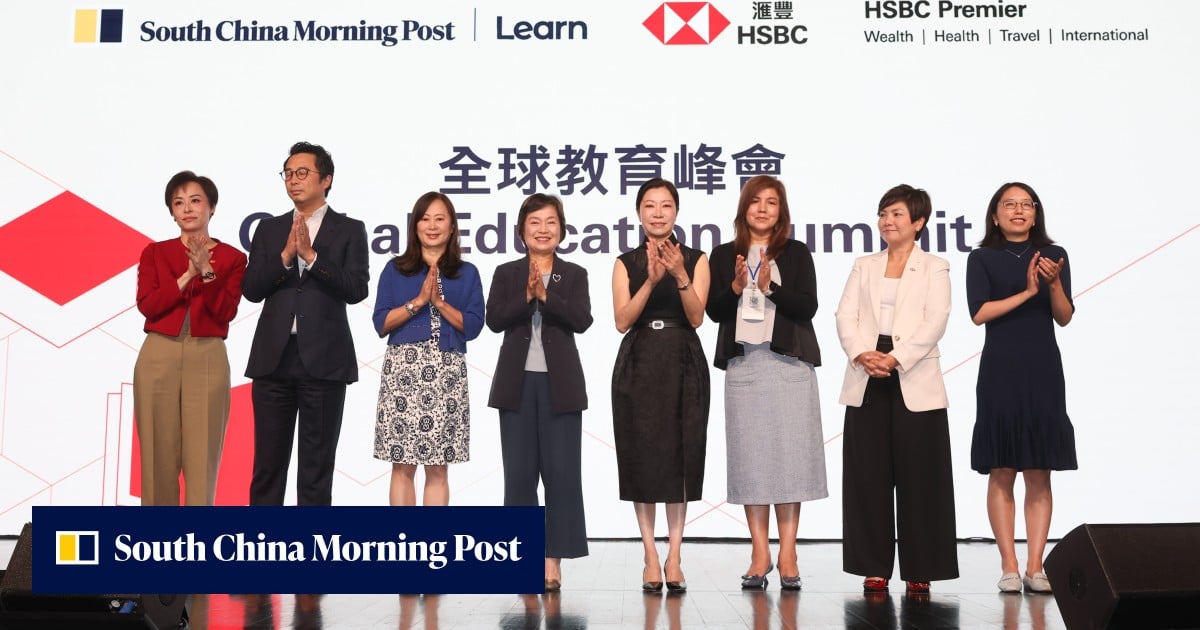
The first-ever Global Education Summit convened thought leaders and educators to discuss the transformative role of AI in education. Key insights were shared on how to prepare future talent for an evolving job market.
Global Leaders Gather to Address Education's Future
In a landmark event, the inaugural Global Education Summit took place this week, bringing together educators, policymakers, and industry leaders from around the world to explore the intersections of artificial intelligence (AI), future talent, and the changing pathways of education. Hosted in a hybrid format, the summit attracted thousands of participants, both in-person and virtually, highlighting the global urgency to adapt educational systems to meet the demands of a rapidly evolving job market.
AI's Transformative Role in Education
One of the central themes of the summit was the transformative potential of AI in education. Experts emphasized that AI can personalize learning experiences, making education more accessible and tailored to individual student needs. Dr. Maria Chen, a leading AI researcher, stated, "AI has the ability to analyze vast amounts of data to identify learning patterns, enabling educators to intervene effectively and support students in real-time." This approach not only enhances learning outcomes but also prepares students for a future where AI skills will be paramount.
Future Talent: Bridging the Skills Gap
As industries evolve, the skills required for future jobs are changing dramatically. The summit featured a panel discussion on bridging the skills gap between education and employment. Industry leaders from tech giants like Google and Microsoft shared insights on the essential skills they seek in new hires. "Critical thinking, creativity, and emotional intelligence are just as important as technical skills in today’s job market," said Sarah Johnson, Head of Talent Acquisition at Google. This sentiment echoed throughout the summit, with a consensus that educational institutions must adapt curricula to foster these competencies.
Innovative Pathways in Education
Another key focus of the summit was the emergence of innovative pathways in education, such as micro-credentials and online learning platforms. These alternatives to traditional degrees are gaining traction as they offer flexibility and targeted skill acquisition. Panelists discussed how these pathways can democratize education, making it more accessible to diverse populations. "Education should not be a privilege but a right," asserted Dr. Alex Rivera, an advocate for educational equity.
Global Collaboration for Educational Reform
The summit also underscored the importance of global collaboration in educational reform. Participants shared success stories from various countries, illustrating how collaborative efforts can lead to meaningful change. For instance, a partnership between Singapore and Finland has resulted in a shared curriculum that emphasizes both academic rigor and well-being. "By learning from each other, we can create a more resilient and adaptable educational framework," said Finnish Education Minister Liisa Rantanen.
Looking Ahead: The Future of Education
As the summit concluded, attendees left with a renewed sense of purpose and urgency to implement the insights gained. The discussions highlighted that while challenges remain, the future of education is ripe with opportunities for innovation. The integration of AI, the emphasis on future skills, and the exploration of alternative pathways are not just trends but essential components of a comprehensive strategy to prepare the next generation for success in an unpredictable world.
Conclusion
The inaugural Global Education Summit has set the stage for ongoing dialogue and action in the realm of education. As the world grapples with the implications of technological advancements, the commitment to fostering a future-ready workforce will be crucial. The insights shared during this summit will undoubtedly influence educational policies and practices for years to come.