Imprisoned Hong Kong Ex-Publisher Jimmy Lai's Plight Highlights Press Freedom Crisis
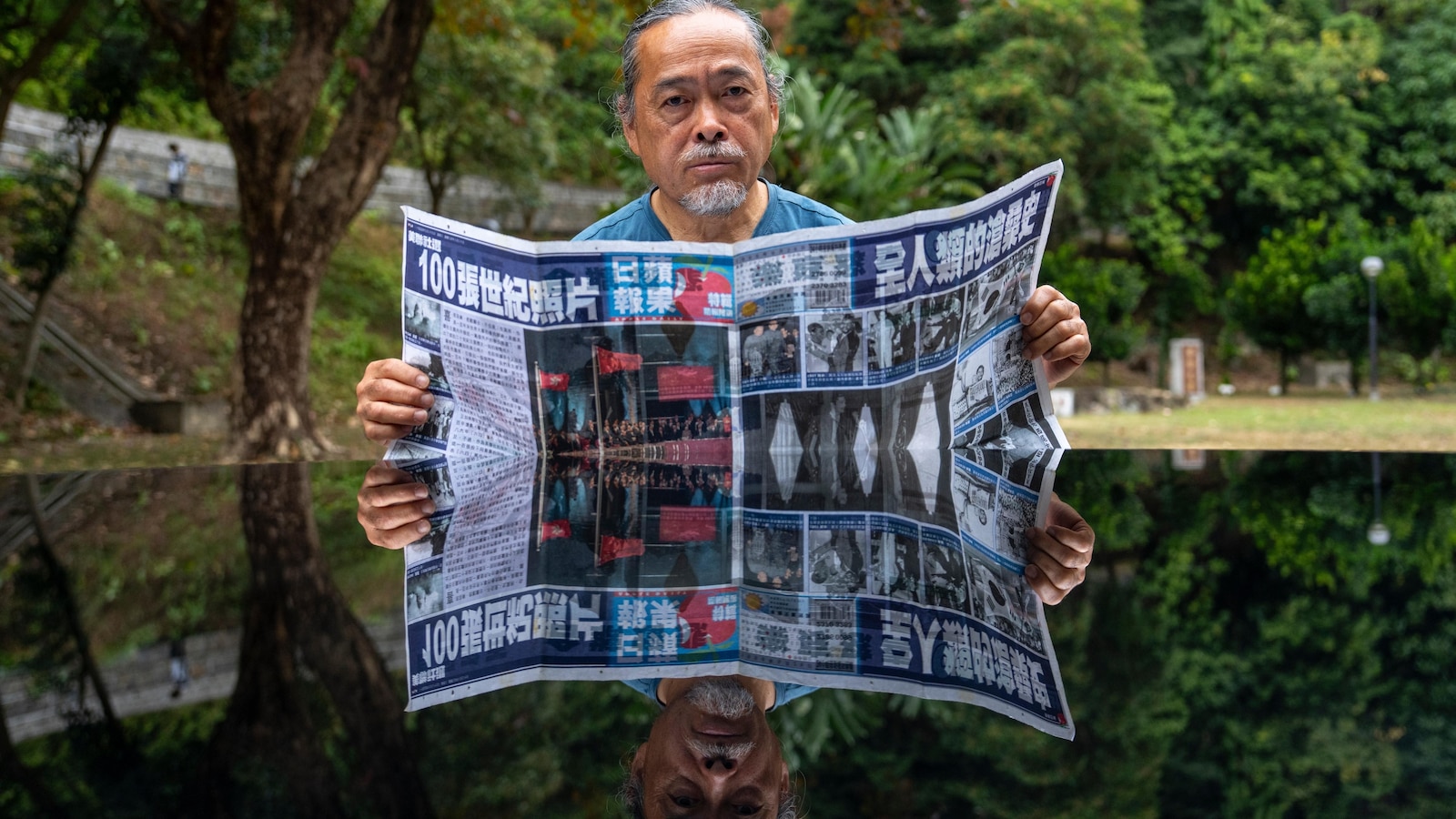
The ongoing imprisonment of Jimmy Lai, a prominent Hong Kong publisher, has sparked widespread concern over the erosion of press freedoms in the region. His case symbolizes the broader struggles faced by journalists and media outlets in an increasingly repressive environment.
Introduction
In the heart of Hong Kong's bustling media landscape, the plight of Jimmy Lai, the ex-publisher of the now-defunct Apple Daily, has become a poignant symbol of the deteriorating state of press freedoms in the region. Lai, who was sentenced to a lengthy prison term under the controversial National Security Law, has drawn both national and international attention, highlighting the challenges faced by journalists and the media industry in Hong Kong.
The Background of Jimmy Lai
Jimmy Lai, a billionaire media tycoon and outspoken critic of the Chinese government, founded Apple Daily in 1995. The newspaper quickly became known for its fearless reporting on political issues, especially those concerning the Hong Kong government and its relationship with Beijing. However, following the implementation of the National Security Law in 2020, which was ostensibly designed to quell dissent, Lai was arrested and charged with multiple offenses, including collusion with foreign forces.
Impact on Press Freedoms
Lai's imprisonment has sent shockwaves through Hong Kong's media landscape, where press freedoms have been under siege. The National Security Law has been criticized for its vague language, allowing authorities to interpret it broadly and stifle dissenting voices. Many journalists have faced intimidation, harassment, and even arrest for their reporting, leading to a chilling effect on the media.
International Response
The international community has reacted strongly to Lai's imprisonment and the broader crackdown on press freedoms in Hong Kong. Human rights organizations, foreign governments, and global media outlets have condemned the actions of the Hong Kong authorities, calling for Lai's immediate release and the restoration of press freedoms. The United States, the United Kingdom, and other nations have imposed sanctions on Hong Kong officials involved in the crackdown, further escalating tensions between the West and China.
Public Sentiment and Solidarity
Within Hong Kong, public sentiment regarding Lai's imprisonment is mixed. While many view him as a martyr for press freedom, others fear the repercussions of openly supporting him. Protests and demonstrations have erupted sporadically, with supporters calling for his release and standing against the government's oppressive measures. The situation has sparked a broader conversation about the future of democracy and freedom of expression in Hong Kong.
The Future of Journalism in Hong Kong
As the situation continues to evolve, the future of journalism in Hong Kong remains uncertain. Many media outlets have either shut down or self-censored to avoid the wrath of the authorities. The closure of Apple Daily in June 2021 marked a significant turning point, as it was one of the last bastions of independent journalism in the city. The loss of such a prominent publication has left a void in the media landscape, raising concerns about the availability of diverse perspectives and critical reporting.
Conclusion
Jimmy Lai's imprisonment serves as a stark reminder of the fragility of press freedoms in Hong Kong. As the city grapples with the implications of the National Security Law, the fight for journalistic integrity and freedom of expression continues. The international community's support for Lai and others like him is crucial in the ongoing struggle against repression, as advocates for press freedom strive to ensure that the voices of dissent are not silenced.