Human Rights Cases Stagnate Amidst Trump-Xi Summit Fallout
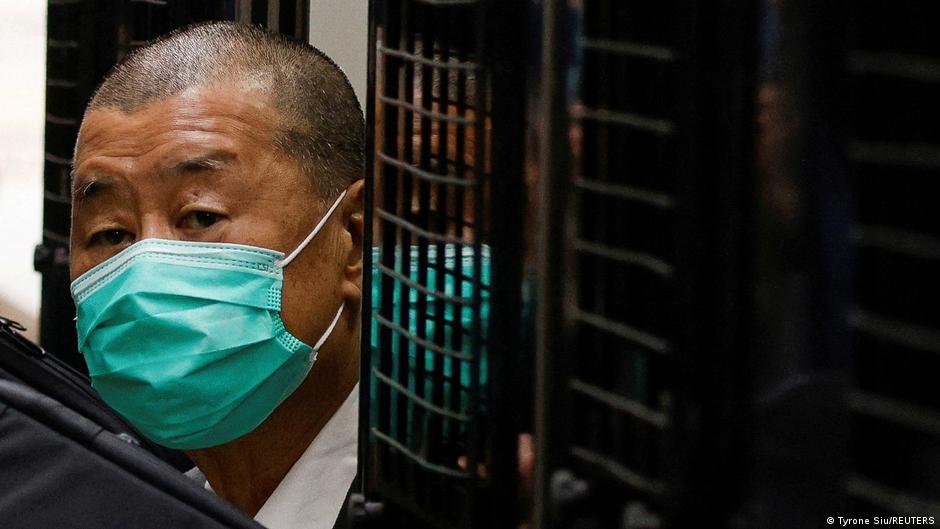
The recent summit between President Trump and President Xi has left numerous human rights cases in limbo, raising concerns about the future of advocacy for human rights in China. Activists fear that diplomatic relations may overshadow urgent human rights issues.
Introduction
The recent summit between U.S. President Donald Trump and Chinese President Xi Jinping has sparked significant discussions regarding international relations, trade, and security. However, one critical area that remains overshadowed is the state of human rights in China. As diplomatic ties between the two nations strengthen, numerous human rights cases are left unresolved, raising alarm among activists and advocates for change.
Background on Human Rights Issues in China
China has faced widespread criticism for its human rights record, particularly concerning the treatment of ethnic minorities, political dissidents, and activists. Reports of arbitrary detentions, forced labor, and censorship have drawn condemnation from various international organizations, including the United Nations. As the Trump administration seeks to engage China on economic and security fronts, many fear that human rights issues will be sidelined.
Impact of the Trump-Xi Summit
The summit, which aimed to bolster cooperation on trade and security, has inadvertently created a vacuum for human rights advocacy. Activists argue that the focus on economic negotiations has diverted attention from pressing human rights violations. High-profile cases, such as the detention of Uyghur Muslims in Xinjiang and the crackdown on pro-democracy activists in Hong Kong, remain unresolved, with little hope for intervention from the international community.
Voices from Activists and Experts
Human rights advocates have expressed deep concern over the implications of the summit. “The prioritization of trade over human rights sends a dangerous message,” said Sophie Richardson, China director at Human Rights Watch. “It suggests that economic interests trump the fundamental rights of individuals, which is unacceptable.”
Experts believe that the lack of pressure on China regarding its human rights abuses could embolden the government to continue its oppressive policies. “When world leaders choose to overlook human rights in favor of economic deals, it allows authoritarian regimes to act with impunity,” stated Dr. Emily Lau, a political analyst specializing in Chinese affairs.
International Response and Future Outlook
While the U.S. has historically been a vocal critic of China’s human rights record, the current administration's approach raises questions about future advocacy. The European Union and other nations have also been criticized for their silence on these issues, often prioritizing trade relationships over human rights concerns.
As the international community grapples with its stance on China, many activists are urging for a renewed focus on human rights. “We need to hold leaders accountable for their silence,” said activist Chen Wei. “The world cannot afford to ignore the plight of those suffering under oppressive regimes.”
Conclusion
The fallout from the Trump-Xi summit has left numerous human rights cases in limbo, highlighting the precarious balance between diplomacy and advocacy. As the global landscape continues to evolve, the need for a robust international response to human rights violations in China remains critical. Without sustained pressure and advocacy, the future of human rights in China appears increasingly uncertain, leaving countless individuals vulnerable to continued oppression.