HTC Bets on Open AI Strategy to Drive Smartglasses Sales
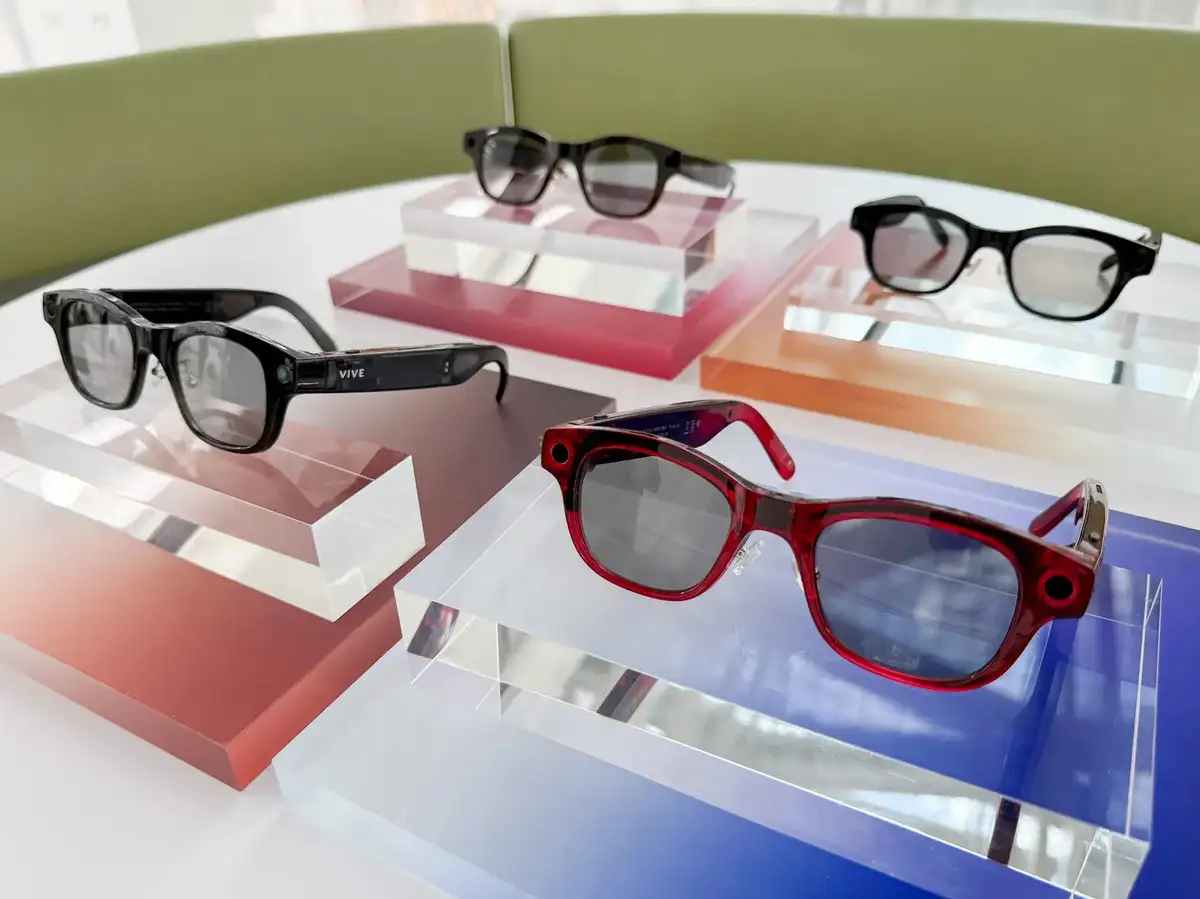
HTC is pivoting its strategy towards open AI to enhance its smartglasses offerings. This move aims to capture a larger share of the augmented reality market amid rising competition.
HTC's Strategic Shift Towards Open AI
In a bold move to revitalize its smartglasses sales, HTC has announced a new strategy that leverages open artificial intelligence (AI) technologies. The Taiwanese tech giant, known for its innovative spirit, is aiming to carve out a significant niche in the competitive augmented reality (AR) market, which has seen a surge in interest and investment in recent years.
Market Context and Challenges
The global smartglasses market is projected to grow substantially, driven by advancements in AR technology and increasing consumer interest in wearable devices. However, HTC faces stiff competition from established players like Google, Apple, and Microsoft, all of whom are investing heavily in their AR ecosystems. To differentiate itself, HTC is banking on its open AI strategy to enhance user experience and functionality in its smartglasses.
What is Open AI?
Open AI refers to the development and deployment of AI technologies that are accessible and modifiable by developers and companies. By adopting an open AI framework, HTC aims to foster innovation and collaboration, allowing third-party developers to create applications and features that can be integrated into its smartglasses. This approach not only enhances the product's capabilities but also encourages a vibrant ecosystem of developers who can contribute to the device's growth.
Enhancing User Experience
HTC's smartglasses, which have been met with mixed reviews in the past, are set to benefit significantly from this new strategy. By incorporating open AI, HTC plans to improve features such as voice recognition, gesture control, and personalized content delivery. These enhancements are expected to make the smartglasses more intuitive and user-friendly, catering to both tech enthusiasts and everyday consumers.
Collaboration with Developers
HTC is actively seeking partnerships with developers and tech companies to expand the capabilities of its smartglasses. By providing tools and resources for developers, HTC hopes to create a robust marketplace for AR applications that can run on its devices. This collaborative approach could lead to innovative solutions that enhance the functionality of smartglasses, making them more appealing to a broader audience.
Future Prospects and Industry Impact
As HTC rolls out its open AI strategy, the company is optimistic about its potential to drive sales and establish itself as a leader in the smartglasses market. The integration of open AI technologies is expected to not only improve product offerings but also set a new standard for the industry. If successful, HTC’s strategy could inspire other tech companies to adopt similar approaches, fostering a more open and collaborative environment in the AR space.
Conclusion
HTC's commitment to leveraging open AI in its smartglasses strategy marks a significant shift in its approach to product development. As the company navigates the challenges of a competitive market, its focus on collaboration and innovation could be the key to unlocking new opportunities in the burgeoning field of augmented reality. With the right execution, HTC could not only boost its sales but also redefine the future of smartglasses.