HSBC Chair Advocates for Middle East Peace to Stabilize Global Energy Markets
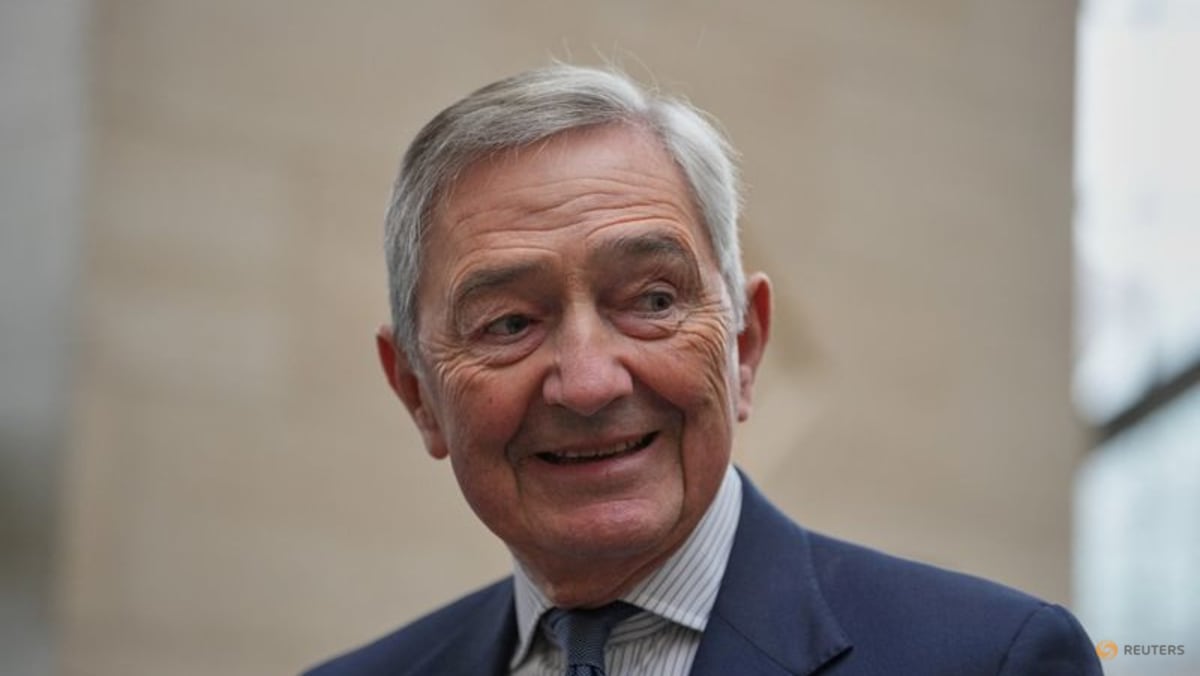
HSBC's chair emphasizes the urgent need for a peace agreement in the Middle East to restore stability in global energy flows. The call comes amid rising tensions that threaten energy supply chains critical to the global economy.
HSBC Chair Advocates for Middle East Peace to Stabilize Global Energy Markets
In a recent statement, the chair of HSBC Holdings, Mark Tucker, articulated the pressing need for a peace agreement in the Middle East to restore stability in global energy flows. His comments come at a time when geopolitical tensions in the region are increasingly impacting energy supply chains, raising concerns for economies worldwide.
During a panel discussion at the World Economic Forum, Tucker highlighted the intricate relationship between geopolitical stability and energy security. He noted that the Middle East is a critical hub for global oil and gas supplies, and any disruption in this region could have far-reaching consequences for energy prices and availability.
“The situation in the Middle East is not just a regional issue; it has global ramifications,” Tucker stated. “We need to see a concerted effort towards a peace deal that can help stabilize the region and, by extension, the global energy markets.”
The call for peace comes as several countries in the Middle East face escalating conflicts that threaten to disrupt oil production and transportation. Recent flare-ups in hostilities have already led to fluctuations in oil prices, underscoring the vulnerability of global energy supply chains to geopolitical instability.
Tucker’s remarks resonate with a broader sentiment among business leaders and economists who warn that continued unrest in the Middle East could lead to a prolonged period of volatility in energy markets. The International Energy Agency (IEA) has also expressed concerns about the potential for supply disruptions, particularly as demand for energy continues to rise globally.
In the wake of these developments, many experts are calling for renewed diplomatic efforts to achieve a lasting peace in the region. The need for a stable and predictable energy supply has never been more critical, especially as countries transition towards greener energy sources and seek to reduce their reliance on fossil fuels.
“Energy security is paramount for economic stability,” said Fatih Birol, Executive Director of the IEA. “A peaceful Middle East is essential not just for oil and gas supplies, but also for the broader energy transition that we are all aiming for.”
HSBC, as one of the world’s largest banking and financial services organizations, has a vested interest in the stability of global markets. The bank has been actively involved in financing energy projects and has a significant presence in the Middle East, making Tucker’s call for peace particularly relevant.
In addition to the economic implications, Tucker also emphasized the humanitarian aspects of achieving peace in the Middle East. The ongoing conflicts have led to significant human suffering, with millions displaced and in need of assistance. “We cannot ignore the human cost of these conflicts,” he remarked. “A peaceful resolution is not only an economic necessity but a moral imperative.”
As the world grapples with the challenges posed by climate change and the need for sustainable energy solutions, the importance of a stable Middle East cannot be overstated. Business leaders, policymakers, and international organizations must work together to foster dialogue and promote peace in the region.
In conclusion, Mark Tucker’s call for a Middle East peace deal highlights the interconnectedness of global energy markets and geopolitical stability. As tensions continue to rise, it is imperative for all stakeholders to prioritize diplomatic efforts to ensure a secure and sustainable energy future.