Hoover Institution Hosts Annual Workshop on Modern China and Taiwan
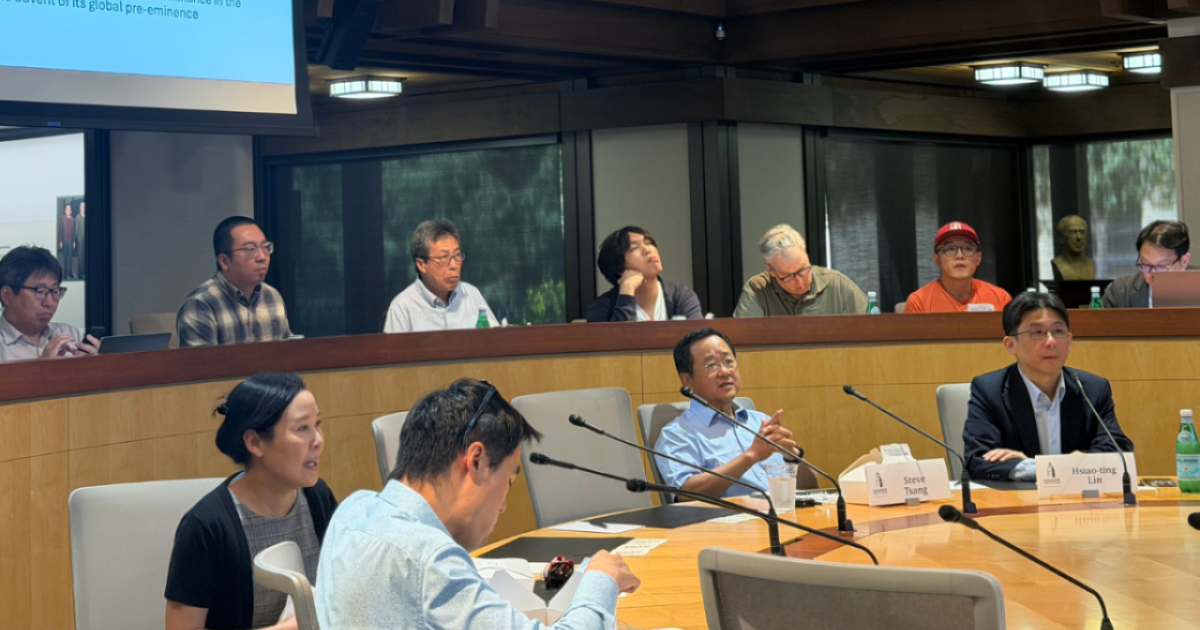
The Hoover Institution's annual summer workshop brought together scholars and experts to discuss contemporary issues facing China and Taiwan. This year's focus was on the evolving geopolitical landscape and its implications for cross-strait relations.
Scholars Gather to Discuss Taiwan's Future
The Hoover Institution at Stanford University recently hosted its annual summer workshop focused on Modern China and Taiwan, attracting a diverse group of scholars, policymakers, and students. This year's event, held from July 10 to July 14, 2023, emphasized the critical geopolitical dynamics affecting Taiwan and its relationship with the People's Republic of China (PRC).
Geopolitical Tensions in Focus
As tensions between Taiwan and China continue to escalate, the workshop aimed to provide a comprehensive understanding of the historical, political, and social factors influencing cross-strait relations. Scholars presented their research on various topics, including Taiwan's democratic evolution, China's assertive foreign policy, and the implications of U.S. involvement in the region.
Keynote Speakers and Panel Discussions
The workshop featured keynote addresses from prominent experts in the field, including former government officials and leading academics. One of the highlights was a panel discussion on the impact of U.S. foreign policy on Taiwan, where experts debated the effectiveness of current strategies and proposed new approaches to strengthen Taiwan's security.
Emerging Trends and Challenges
Participants also explored emerging trends, such as the increasing role of technology in warfare and its implications for Taiwan's defense capabilities. Discussions highlighted the importance of cybersecurity and the need for Taiwan to bolster its technological infrastructure to counter potential threats from the PRC.
Building Alliances and Partnerships
Another significant theme was the importance of international alliances in supporting Taiwan's sovereignty. Scholars emphasized the need for Taiwan to strengthen its relationships with like-minded nations, particularly in the face of China's growing influence in the Indo-Pacific region. The workshop underscored the potential for collaborative efforts among democratic nations to promote stability and security in the region.
Future of Taiwan's Democracy
As Taiwan approaches its presidential elections in early 2024, discussions at the workshop also focused on the future of Taiwan's democracy. Experts analyzed the political landscape, including the role of youth activism and public opinion in shaping electoral outcomes. The consensus was that Taiwan's democratic resilience is vital not only for its own future but also for the broader struggle for democracy in the region.
Conclusion: A Call for Continued Engagement
The Hoover Institution's workshop concluded with a call for continued engagement and dialogue among scholars, policymakers, and civil society to address the complex challenges facing Taiwan and China. As the geopolitical landscape evolves, the importance of understanding the nuances of cross-strait relations has never been more critical.
Looking Ahead
With the insights gained from this workshop, participants left with a renewed sense of urgency and commitment to advocating for Taiwan's interests on the global stage. As Taiwan navigates its path forward, the support of the international community will be essential in ensuring its continued democratic development and security.