Hong Kong-Zhuhai-Macau Bridge Opens as World’s Longest Sea Crossing
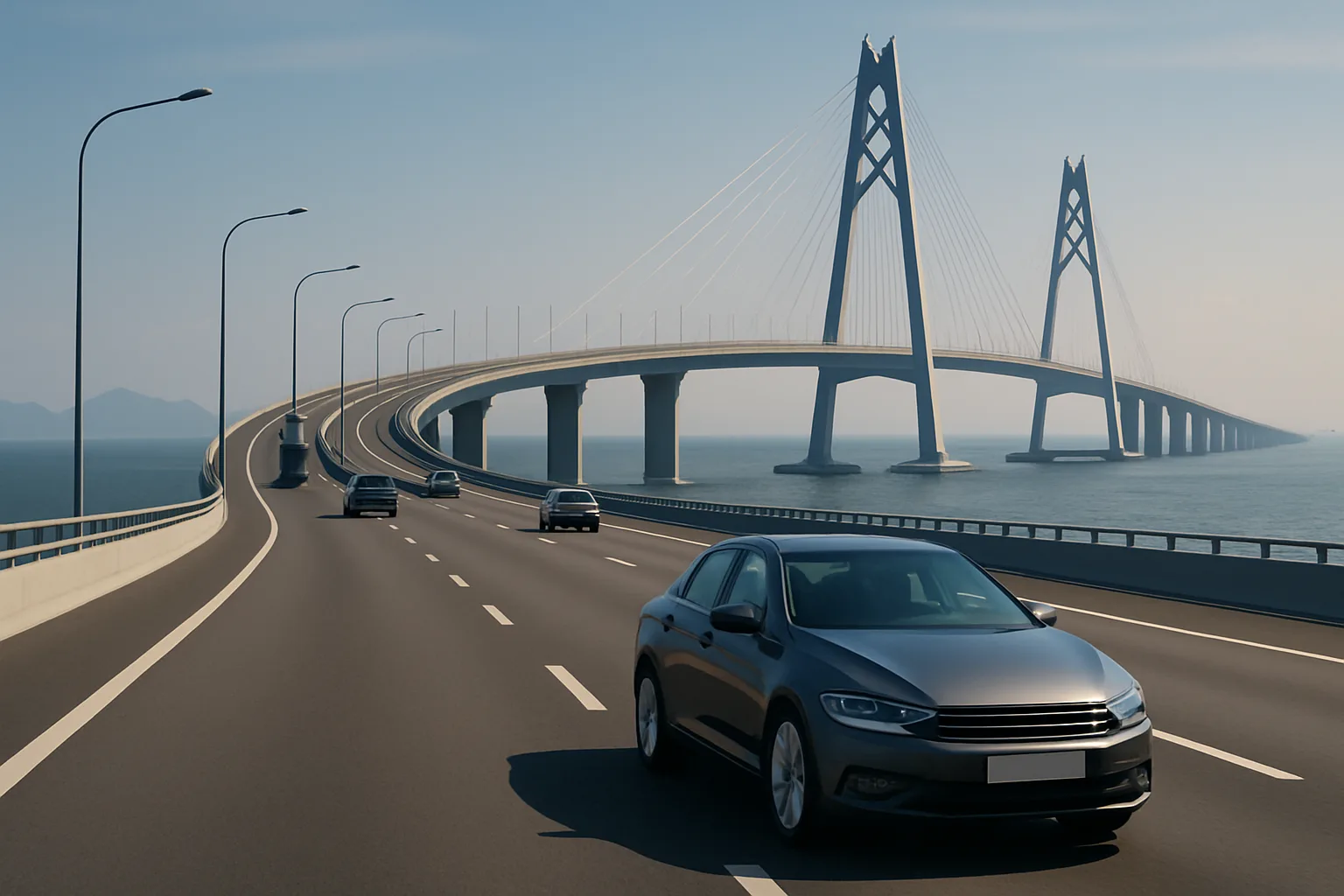
The Hong Kong-Zhuhai-Macau Bridge, now the world's longest sea crossing, officially opened to traffic, marking a significant milestone in regional connectivity. This monumental infrastructure project is expected to enhance economic ties and ease transportation between Hong Kong, Zhuhai, and Macau.
Introduction
The Hong Kong-Zhuhai-Macau Bridge (HZMB) has officially opened to traffic, establishing itself as the world’s longest sea crossing. This monumental infrastructure project, which took nearly a decade to complete, is set to transform the dynamics of transportation and economic interaction in the Greater Bay Area, which includes Hong Kong, Macau, and Guangdong province of Mainland China.
Project Overview
Spanning approximately 55 kilometers (34 miles), the HZMB consists of a series of bridges and tunnels that connect the three major cities. The bridge is designed to withstand typhoons and earthquakes, showcasing advanced engineering techniques. This ambitious project not only represents a feat of modern engineering but also symbolizes the deepening integration of Hong Kong with Mainland China and Macau.
Economic Implications
The opening of the HZMB is expected to significantly boost the economies of Hong Kong, Zhuhai, and Macau. By reducing travel time between these cities to just 30 minutes, the bridge will facilitate easier movement of goods and people, thereby enhancing trade and tourism. Economists predict that the bridge will contribute to the growth of the Greater Bay Area, a region that aims to rival global economic powerhouses such as the San Francisco Bay Area and Tokyo Bay.
Transportation and Accessibility
Before the bridge's opening, traveling between Hong Kong and Macau required a ferry ride that could take up to an hour or more. With the HZMB, travelers can now enjoy a seamless journey by bus or private vehicle. The bridge is equipped with a dedicated bus service, which will operate at regular intervals, ensuring convenient access for commuters and tourists alike. Additionally, the bridge will bolster logistics and freight services, providing a more efficient route for cargo transport.
Environmental Considerations
While the HZMB presents numerous economic benefits, it has also raised environmental concerns. Critics have pointed to the potential ecological impact on the Pearl River Delta, where the bridge is located. Authorities have implemented measures to mitigate these effects, including monitoring marine life and ensuring that construction practices adhere to environmental standards. The long-term sustainability of the project will depend on ongoing assessments and adjustments to protect the delicate ecosystem.
Public Reception and Future Prospects
The public reception of the HZMB has been largely positive, with many residents expressing excitement over the new opportunities it brings. However, there are also voices of caution, urging the government to ensure that the benefits of the bridge are equitably distributed among the local populations. As the bridge begins to operate, it will be crucial for policymakers to address these concerns and harness the full potential of this infrastructure investment.
Conclusion
The opening of the Hong Kong-Zhuhai-Macau Bridge marks a historic moment for the region, promising to reshape the economic landscape and enhance connectivity. As the world’s longest sea crossing, it stands as a testament to human ingenuity and the possibilities of collaboration in a rapidly evolving global economy. The bridge not only connects three cities but also symbolizes the aspirations of the Greater Bay Area as it seeks to emerge as a leading economic hub in Asia.