Hong Kong Turns to AI to Combat Persistent Rat Infestations
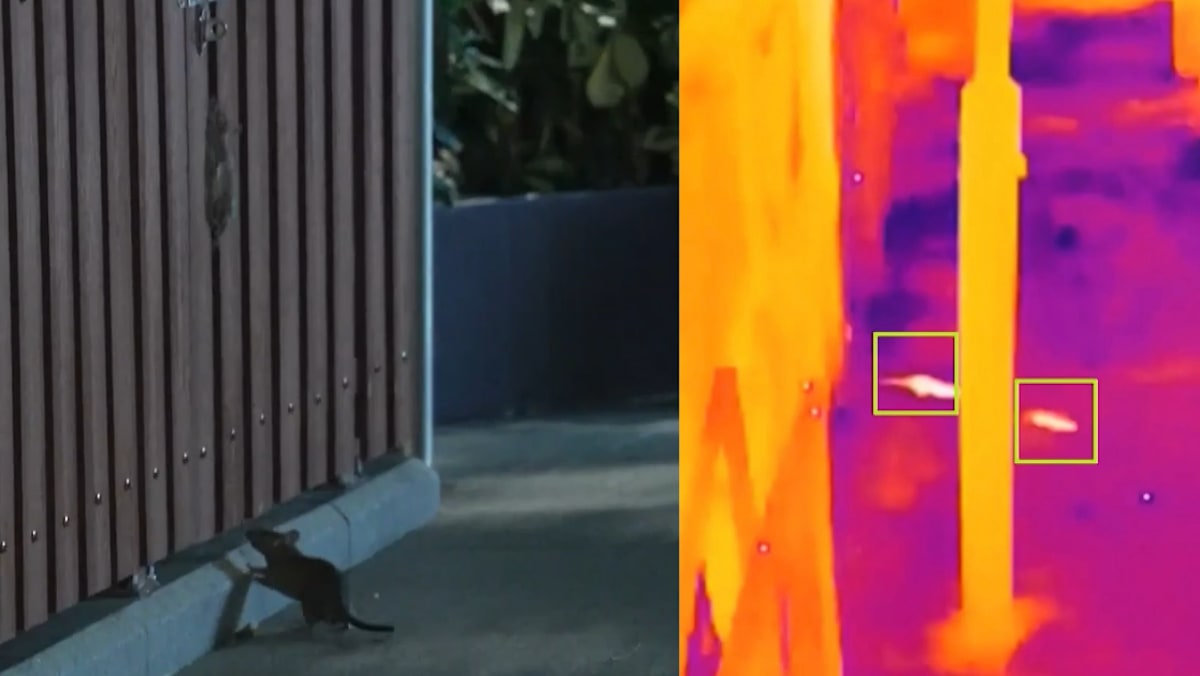
Hong Kong is leveraging artificial intelligence technology to address its ongoing rat infestation issues. Despite the potential of AI, the city faces significant challenges in effectively implementing these solutions.
Introduction
In a bid to tackle the long-standing issue of rat infestations, Hong Kong is increasingly turning to artificial intelligence (AI) technology. The city's persistent rodent problem has prompted authorities to seek innovative solutions, yet the implementation of AI in pest control is not without its challenges.
The Scope of the Problem
Hong Kong has long been plagued by rat infestations, which have become a public health concern and a nuisance for residents. The city's dense urban environment, characterized by cramped living conditions and a high volume of waste, provides an ideal habitat for rodents. In recent years, reports of rat sightings have surged, prompting the government to take action.
AI Solutions on the Horizon
To address the rodent crisis, the Hong Kong government has begun exploring the use of AI technology. This includes the deployment of smart traps equipped with sensors and cameras that can detect rodent activity. These traps are designed to collect data on rat populations and behaviors, allowing pest control teams to respond more effectively to infestations.
Additionally, AI algorithms can analyze data collected from various sources, including social media reports and environmental conditions, to predict potential rat hotspots. This proactive approach aims to prevent infestations before they escalate, ultimately enhancing public health and safety.
Challenges in Implementation
Despite the promise of AI in combating rat infestations, several challenges remain. One significant hurdle is the integration of new technology into existing pest control frameworks. The Hong Kong government must ensure that pest control teams are adequately trained to use AI tools and interpret the data generated.
Moreover, there are concerns about the reliability of AI systems in accurately identifying and tracking rat populations. Critics argue that while technology can provide valuable insights, it should not replace traditional pest control methods entirely. The balance between innovation and proven techniques is crucial for effective pest management.
Public Response and Engagement
The public's response to the government's AI initiatives has been mixed. While many residents welcome the use of technology to address the rat problem, others express skepticism about its effectiveness. Some community members have voiced concerns that the focus on AI may divert attention and resources away from essential sanitation and waste management practices, which are fundamental in controlling rat populations.
To engage the community, the government has launched awareness campaigns emphasizing the importance of proper waste disposal and reporting rat sightings. By fostering a collaborative approach, authorities hope to empower residents to take an active role in pest control efforts.
Looking Ahead
As Hong Kong continues to grapple with its rat infestation crisis, the integration of AI technology presents both opportunities and challenges. The city's commitment to innovation in pest control is commendable, but it must be accompanied by a comprehensive strategy that addresses the root causes of the problem.
Moving forward, successful implementation of AI solutions will require ongoing evaluation and adaptation. By learning from initial trials and incorporating feedback from pest control teams and the public, Hong Kong can develop a more effective and sustainable approach to managing its rat population.
Conclusion
In summary, Hong Kong's venture into AI-assisted pest control reflects a broader trend of utilizing technology to solve urban challenges. While the potential benefits are significant, the city must navigate the complexities of implementation and community engagement to achieve lasting results in its fight against rat infestations.