Hong Kong Stocks Plummet Over 3% Amid Escalating Mideast Tensions
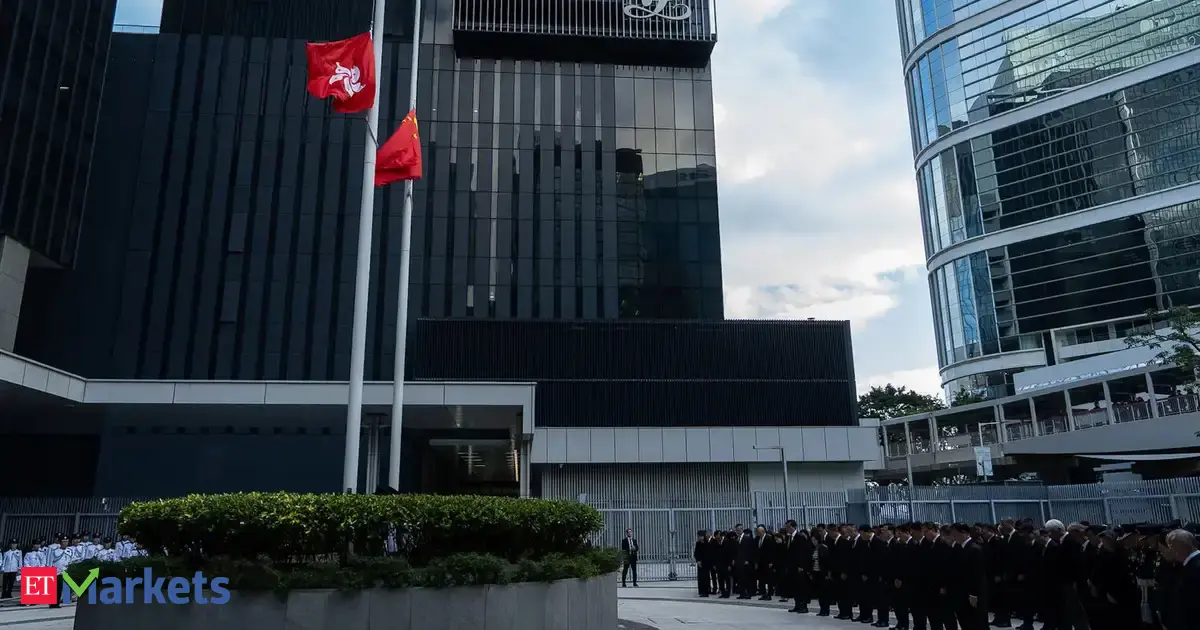
Hong Kong's stock market experienced a significant drop of more than 3% as investors reacted to the ongoing crisis in the Middle East. The decline reflects growing concerns over geopolitical instability and its impact on global markets.
Market Overview
In a dramatic turn of events, Hong Kong's stock market witnessed a sharp decline of over 3% on Monday, driven by escalating tensions in the Middle East. The Hang Seng Index closed at 17,000.45, marking its lowest point in several months as investors reacted to the geopolitical crisis that has been unfolding in the region.
Investor Sentiment
The crisis, which has seen increased military actions and political instability, has raised alarm among investors, prompting a flight to safety. Analysts noted that the uncertainty surrounding the situation has led to a significant sell-off in equities, particularly in sectors sensitive to global economic conditions.
Sector Performance
All major sectors in the Hong Kong market were affected, with technology and financial stocks bearing the brunt of the losses. Tech giants such as Tencent and Alibaba saw their shares drop by more than 4%, while major banks also reported declines as concerns over potential economic fallout from the crisis weighed heavily on investor confidence.
Global Market Reactions
This downturn in Hong Kong is reflective of broader trends in international markets, where fears of a prolonged conflict in the Middle East have led to increased volatility. Markets across Asia, including Japan and South Korea, also reported declines, as investors reacted to the news of escalating military actions and the potential for disruption in oil supplies.
Economic Implications
Economists are warning that the ongoing crisis could have far-reaching implications for global economic recovery, especially as many countries are still grappling with the aftereffects of the COVID-19 pandemic. The potential for rising oil prices, coupled with supply chain disruptions, could exacerbate inflationary pressures already felt in many economies.
Government Response
In response to the market turmoil, the Hong Kong Monetary Authority (HKMA) has indicated it is closely monitoring the situation and stands ready to implement measures to stabilize the financial system if necessary. However, experts suggest that the effectiveness of such interventions may be limited in the face of geopolitical uncertainties.
Looking Ahead
As the situation in the Middle East continues to evolve, market analysts are urging investors to exercise caution and remain vigilant. The potential for further escalation remains a significant concern, and many are bracing for continued volatility in the coming weeks.
Conclusion
The significant drop in Hong Kong's stock market serves as a stark reminder of how interconnected global markets are and how quickly investor sentiment can shift in response to geopolitical events. As the world watches the situation unfold, the hope is for a swift resolution that can restore stability to the region and confidence to the markets.