Hong Kong Shares Slip Amid Rising Tensions in Iran Conflict
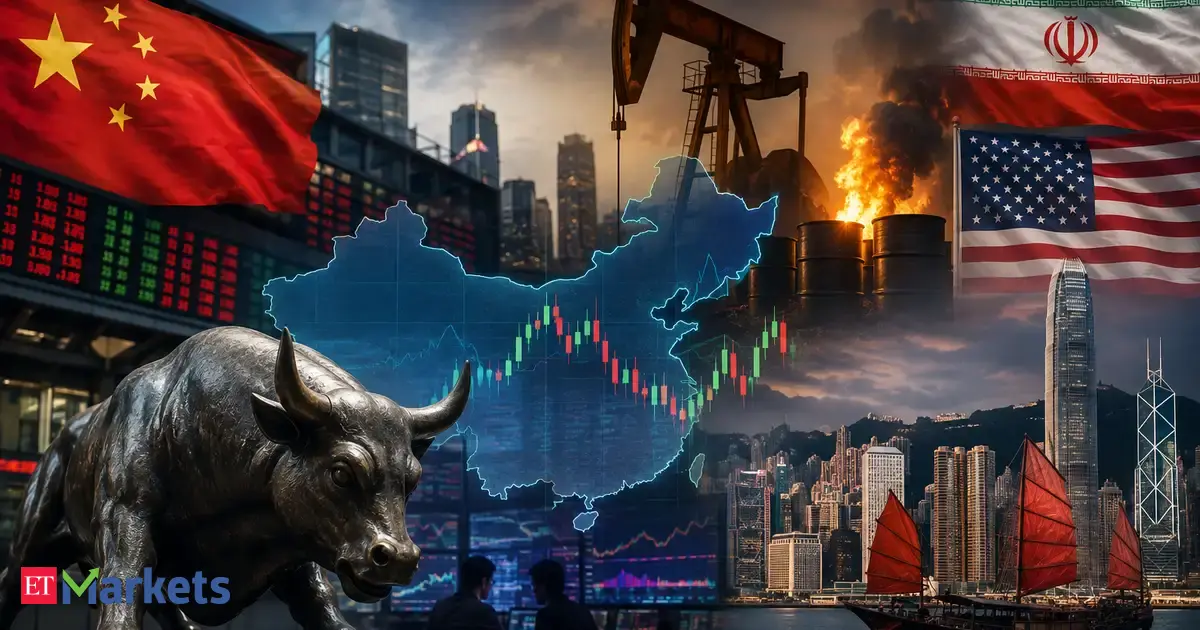
Hong Kong's stock market faced a downturn as geopolitical tensions surrounding Iran have begun to impact investor sentiment. Mixed performances in mainland Chinese stocks further complicated the trading landscape.
Hong Kong's Stock Market Reacts to Global Tensions
In a day marked by uncertainty, Hong Kong's stock market experienced a noticeable decline as rising geopolitical tensions, particularly regarding the ongoing conflict in Iran, weighed heavily on investor sentiment. The Hang Seng Index fell by 1.2%, reflecting concerns that the escalating situation in the Middle East could disrupt global economic stability and trade.
Global Context: Mixed Signals from Mainland China
Meanwhile, mainland Chinese stocks exhibited a mixed performance, with the Shanghai Composite Index inching up by 0.3%, while the Shenzhen Component dropped by 0.5%. Analysts attribute this divergence to various factors, including domestic economic indicators and the broader implications of international conflicts on the Chinese economy.
Investor Sentiment Deteriorates
The escalation of tensions in Iran, particularly following recent military actions and retaliatory threats, has created a ripple effect across global markets. Investors are increasingly cautious, fearing that prolonged instability could lead to higher oil prices and disruptions in supply chains. This sentiment was echoed by market analysts who noted that geopolitical risks are becoming a more significant factor in investment decisions.
Sector-Specific Impacts
In Hong Kong, sectors heavily reliant on international trade, such as shipping and logistics, faced significant pressure. Shares of major shipping companies fell sharply, reflecting fears of increased shipping costs and potential delays. Conversely, defensive sectors like utilities and consumer staples showed resilience, as investors sought safer havens amid the turmoil.
Market Reactions and Future Outlook
Market experts are closely monitoring the situation in Iran, with many suggesting that the conflict could have lasting implications for the global economy. The potential for sanctions, military escalations, and disruptions to oil supplies could lead to increased volatility in the markets. As a result, investors are advised to proceed with caution and consider diversifying their portfolios to mitigate risks.
Government Responses and Economic Policy
In light of these developments, the Hong Kong government and financial regulators are expected to closely monitor market conditions and may implement measures to stabilize the economy if necessary. Economic policy adjustments could include interventions to support key sectors affected by the geopolitical climate, as well as efforts to bolster investor confidence.
Conclusion: Navigating Uncertain Waters
As Hong Kong and mainland Chinese markets navigate the complexities of geopolitical tensions, investors remain on high alert. The intertwining of local economic indicators with global events underscores the importance of remaining informed and adaptable in the face of uncertainty. With the situation in Iran continuing to evolve, market participants will need to stay vigilant and responsive to the changing landscape.