Hong Kong Shares Decline Amid Ongoing Iran Conflict Concerns
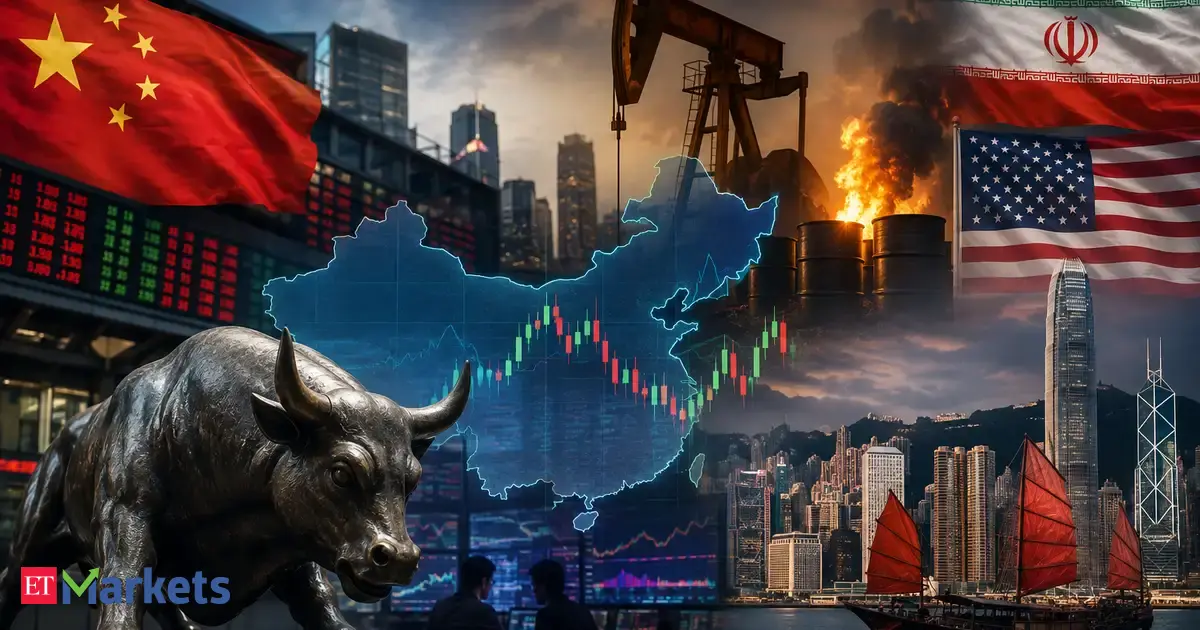
Hong Kong's stock market faced a downturn as geopolitical tensions surrounding Iran weighed heavily on investor sentiment. Mixed performances in Mainland China further contributed to the uncertainty in the region's financial landscape.
Hong Kong Shares Decline Amid Ongoing Iran Conflict Concerns
In a turbulent trading session on Wednesday, Hong Kong shares experienced a notable decline as investors grappled with rising geopolitical tensions stemming from the ongoing conflict in Iran. The Hang Seng Index, which tracks the performance of the Hong Kong stock market, fell by 1.2% to close at 24,500 points, reflecting a broader sentiment of caution among market participants.
The downturn in Hong Kong's market is largely attributed to heightened fears regarding the potential escalation of the conflict in Iran, which has implications for global oil prices and economic stability. As tensions flare, investors are increasingly wary of the impact such geopolitical strife could have on regional economies, particularly in Asia.
Analysts have noted that the situation in Iran has created a ripple effect across global markets, leading to a sell-off in stocks and a flight to safer assets. The uncertainty surrounding oil supply and pricing has further exacerbated the situation, as investors seek refuge in gold and government bonds.
Meanwhile, the performance of Mainland Chinese stocks was mixed, with some sectors showing resilience while others struggled. The Shanghai Composite Index rose by 0.5%, buoyed by gains in technology and consumer goods sectors. However, the Shenzhen Component Index fell by 0.3%, reflecting the volatility that has characterized the Chinese market in recent weeks.
Investors in Hong Kong are particularly sensitive to developments in Mainland China, given the close economic ties between the two regions. The mixed performance of Chinese stocks has added to the uncertainty in Hong Kong, as many investors look to the Mainland for cues on market direction.
Market analysts suggest that the ongoing geopolitical tensions, coupled with domestic economic challenges, may continue to weigh on investor sentiment in Hong Kong. The city has been grappling with its own economic recovery post-COVID-19, and the added layer of international conflict complicates the landscape further.
In response to the declining market conditions, some analysts recommend a cautious approach for investors. Diversification and a focus on sectors that are less sensitive to geopolitical risks may be prudent strategies as the situation evolves. Additionally, companies with strong fundamentals and stable earnings may provide a buffer against market volatility.
As the situation in Iran continues to develop, investors are advised to stay informed and consider the potential implications for their portfolios. The interconnectedness of global markets means that events in one region can have far-reaching effects, and Hong Kong's financial landscape is no exception.
Looking ahead, the Hong Kong market is likely to remain under pressure as long as geopolitical tensions persist. Investors will be closely monitoring developments in Iran, as well as economic indicators from Mainland China, to gauge the potential impact on their investments. The coming weeks will be critical in determining the trajectory of the Hong Kong stock market, as uncertainty looms large in the face of international conflict.