Hong Kong's Tiananmen Activists Found Guilty in National Security Trial
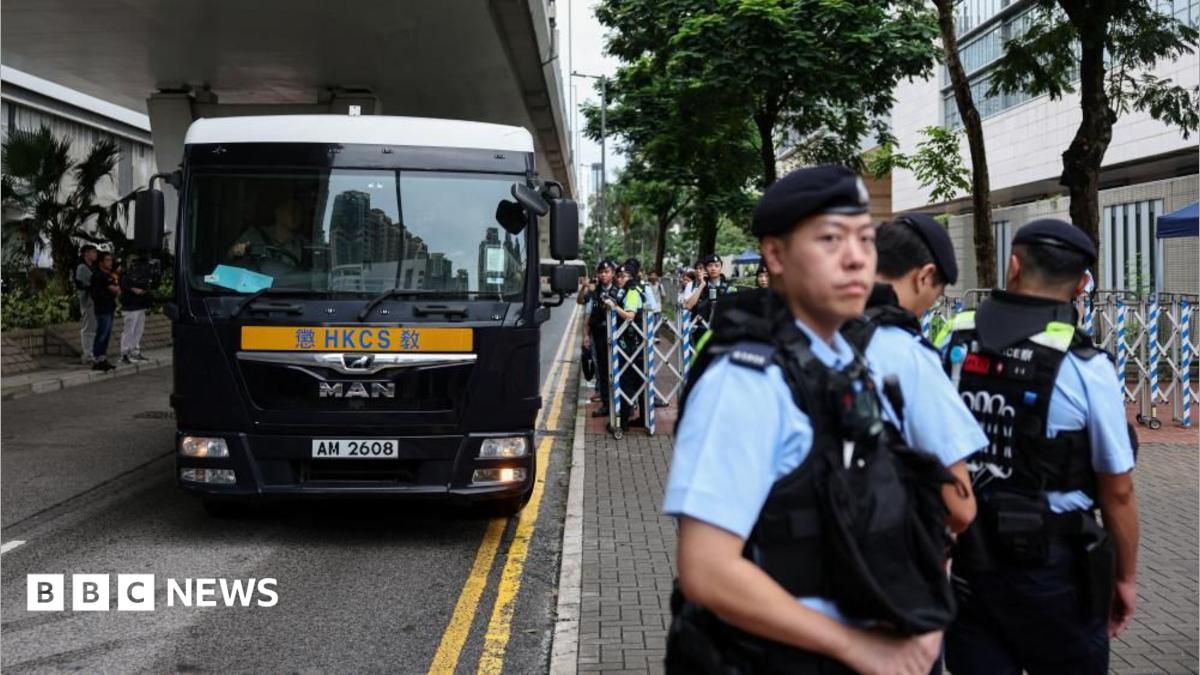
A Hong Kong court has convicted several prominent Tiananmen Square activists under the national security law, marking a significant blow to the pro-democracy movement. The verdict underscores the tightening grip of Beijing's influence over the city's political landscape.
Key Figures Convicted in Landmark Case
In a landmark ruling that has sent shockwaves through Hong Kong's pro-democracy community, a court has found several prominent activists guilty of charges related to their participation in a vigil commemorating the Tiananmen Square massacre. This trial marks one of the most significant applications of the national security law imposed by Beijing in 2020, which critics argue is being used to stifle dissent and curtail freedoms in the semi-autonomous region.
Details of the Charges
The activists, including well-known figures such as Chow Hang-tung, were charged with inciting others to participate in an unauthorized assembly. The vigil, which has been held annually for over three decades to honor the victims of the 1989 Tiananmen Square protests, was banned by authorities this year citing public health concerns amid the COVID-19 pandemic. However, many viewed the ban as a direct attempt to suppress the commemoration of the pro-democracy movement.
Reactions from the Activists
During the trial, Chow and her co-defendants maintained their innocence, asserting that their actions were a peaceful expression of their rights to free speech and assembly. Chow, who served as the vice-chairwoman of the Hong Kong Alliance in Support of Patriotic Democratic Movements of China, stated, "We are not criminals; we are just people who want to remember our history and honor those who sacrificed their lives for democracy."
International Condemnation
The verdict has drawn widespread condemnation from international human rights organizations and foreign governments. The United States State Department issued a statement expressing deep concern over the ruling, emphasizing that the national security law is being used to target individuals who advocate for democracy and human rights in Hong Kong. "This is yet another example of the erosion of fundamental freedoms in Hong Kong," the statement read.
Implications for Hong Kong's Political Landscape
The convictions signal a troubling trend in Hong Kong's political landscape, where the space for dissent continues to shrink. Since the implementation of the national security law, numerous activists, politicians, and journalists have faced charges, leading to a chilling effect on free speech and political expression. Many activists have fled abroad, fearing persecution, while others remain behind bars, awaiting trial or sentencing.
The Future of the Pro-Democracy Movement
As the pro-democracy movement faces increasing repression, the future remains uncertain. Analysts suggest that the government's crackdown is aimed at quelling any potential resurgence of protests similar to those seen in 2019, when millions took to the streets demanding greater democratic freedoms. However, the unwavering spirit of many activists indicates that the desire for change persists, even in the face of adversity.
Conclusion
The guilty verdicts against the Tiananmen activists serve as a stark reminder of the ongoing struggle for democracy in Hong Kong. As the city grapples with the implications of the national security law, the resilience of its citizens will be tested as they navigate an increasingly authoritarian environment. The international community continues to watch closely, advocating for the protection of human rights and fundamental freedoms in the region.